Which criteria should you prioritise?
First decide whether you’ll drink the matcha on its own or mix it with something, then check the ingredients, quantity and instructions for the product you’ve chosen.
| Criterion |
What to check |
Who is it for? |
| Vegetal flavour when served on its own |
Look for an ingredients list stating 100% matcha and a flavour description. Treat this as the seller’s guidance, rather than a measure of intensity. |
I want the matcha flavour to come through without milk or added flavourings. For around 40% of consumers, this preference for matcha on its own would be the priority. |
| Lattes and recipes |
Check whether it’s recommended for lattes, cold drinks or baking, as well as its net weight. |
I’m planning to make different kinds of drinks for my guests and use the same powder in a recipe. This versatility would come first for around 30% of consumers. |
| Quantity and storage |
Check the net weight, packaging and instructions for after opening; choose a quantity that suits the number of servings you’re planning. |
I’d rather have a pack I can finish while storing it properly than a large size I’m unlikely to use. Around 20% of consumers would prioritise choosing a suitable pack size. |
| Caffeine |
Check the recommended serving size and consider other sources of caffeine; don’t infer the caffeine content from the taste. |
If my guests are sensitive to caffeine, I want to be able to offer them another drink. This would be the main concern for around 10% of consumers. |
Matcha powders to consider on Joybuy
These powders are for making matcha on its own or drinks to share with friends. Choose according to the stated use, pack size and information shown for each product; their inclusion here isn’t a measure of their flavour intensity.
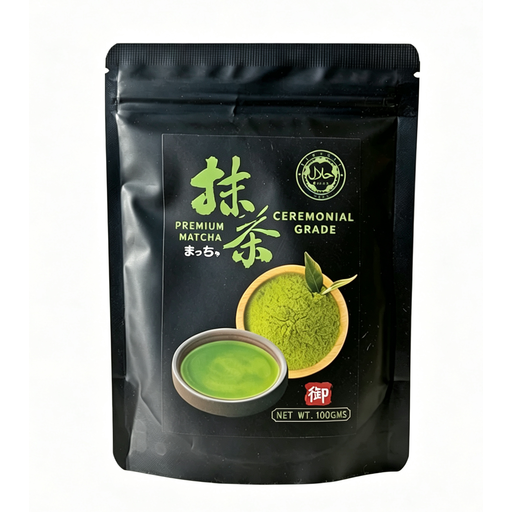 Image unavailable
GS Premium Matcha 100g
Worth considering if you’re planning to serve matcha on its own as well as other matcha drinks to your guests.
The stated pack size is 100 g. If you’re looking for a full-bodied cup, check the ingredients and tasting notes rather than assuming it will be intense based on the word “Premium” alone.
View on Joybuy
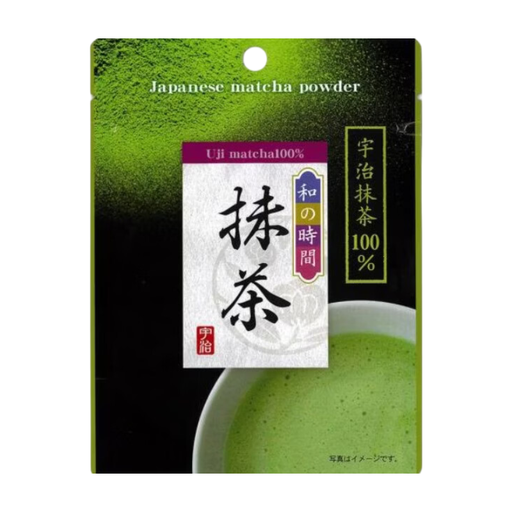 Image unavailable
Ocha no Maruko Wa no Jikan matcha 40g
Worth considering for drinking on its own if the preparation instructions suit the way you want to serve it.
The product name states 40 g, while the description mentions five 40 g sachets. Check the total weight and number of sachets before working out how many cups you can serve.
View on Joybuy
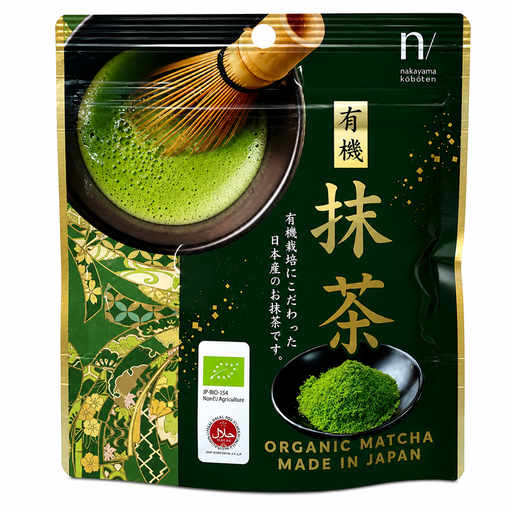 Image unavailable
JP Nakayama Organic Matcha 30g
Its positioning for traditional preparation is worth looking into if you’re serving matcha on its own to a small group.
The stated pack size is 30 g. The delicate notes described for this product don’t suggest it’s particularly full-bodied, so check that they match the flavour you’re looking for.
View on Joybuy
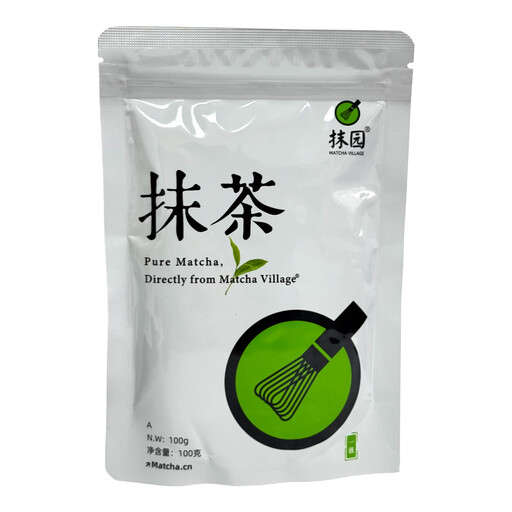 Image unavailable
Matcha Village Matcha Powder 100g
Worth considering if you’re planning to make several drinks or use the powder in recipes.
The stated pack size is 100 g. The description calls it pure powder, but the ingredients line says “Green Tea” without specifying the proportion of matcha. Check the label if a 100% matcha composition is important to you. Also make sure you’ll be able to follow the product’s storage instructions.
View on Joybuy
Frequently asked questions
Is the word “strong” enough to help you choose a full-bodied matcha?
No. On its own, the word doesn’t let you compare the intensity of two matchas. For a cup served on its own, check the ingredients list, the seller’s flavour description and the preparation instructions. These details don’t provide a shared scale for comparing flavour either.
Which matcha should you serve to friends on its own?
Look for matcha powder whose ingredients and stated use are suited to drinking on its own. Aromandise presents its Prestige for this purpose and describes it as having umami notes and little bitterness. These are the brand’s own descriptions, not the result of an independent comparison.
Can you use culinary matcha to make lattes?
Yes, if the product is recommended for lattes or the drinks you want to serve. Aromandise, for example, recommends its 80 g culinary pack for lattes and hot or cold drinks. Check how much you’ll need for your recipe and the number of guests.
How do you prepare a cup of matcha?
Start by following the instructions for the powder you’ve chosen. Auchan’s listing for 110 GRAINES recommends around 2 to 4 g of powder in 50 ml of water at 70 °C for that product. These quantities aren’t instructions that apply to every product.
Should you consider caffeine when serving matcha?
Yes. According to Anses, tea naturally contains caffeine, and its effects can vary from person to person. Consider any other caffeinated drinks you’re serving and offer an alternative to guests who want to avoid caffeine. Neither a full-bodied taste nor a serving size alone tells you how much caffeine is in the cup.


