What should you look for first?
When shopping with diabetes in mind, first distinguish pure tea powder from a blend or ready-to-drink beverage. Then compare the nutritional information with the amount you’ll actually consume, while keeping preparation and caffeine in mind.
Pure matcha powder
Worth considering: if you want to choose the added ingredients yourself. Carrefour’s product listings for SIPSTA and CLIPPER powders each show matcha as the only ingredient.
The trade-off: you’ll need to measure the powder and prepare the drink.
Latte or instant powder
Worth considering: if a quick preparation matters more, after checking the full recipe.
The trade-off: JENI’s 3-in-1 powder listed on Joybuy combines ingredients including sugar, non-dairy creamer and matcha. A blend like this isn’t interchangeable with plain tea powder.
Ready-to-drink beverage
Worth considering: if you want a drink that needs no preparation and can compare the amount you’ll consume.
The trade-off: Oatly’s oat and matcha drink listed by Auchan contains ingredients other than tea and has storage instructions for after opening.
| Criteria |
What to check |
Who is it for? |
| Ingredients, carbohydrates and sugars |
Read the ingredients list, then compare carbohydrates and sugars on a like-for-like basis: per 100 g, 100 ml or serving, depending on the product. |
I want to know what’s in my drink and choose my additions without confusing pure powder with a blend. Around 42% of consumers would put checking the ingredients first. |
| Preparation and serving size |
Compare the format, the amount used to prepare a drink and any instructions for after opening. |
When I make a drink during the day, I’m mainly looking for a convenient format that lets me control the serving size. For around 33% of consumers, this would be the top priority. |
| Caffeine and claims |
Take your other sources of caffeine into account, and don’t treat a ‘slimming’ or therapeutic claim as a nutritional criterion. |
If I already drink caffeinated beverages, I want to fit matcha into my routine without relying on a health claim to guide my choice. This caution would be a priority for around 25% of consumers. |
Products to consider on Joybuy
These two formats suit different needs: matcha powder sticks to prepare yourself and a 100 g pack of powder. When shopping with diabetes in mind, compare the label and the ingredients in your prepared drink.
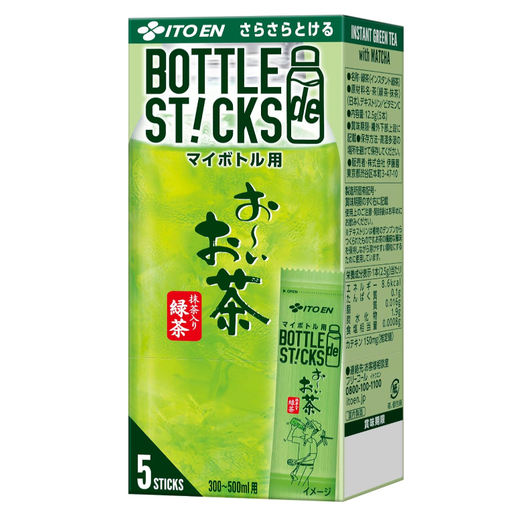 Image unavailable
Itoen Matcha Green Tea Powder, 5 sticks, 12,5 g
The sticks are a handy option if you want to prepare your drink on the go. Check the ingredients list and the carbohydrates and sugars for the serving you prepare.
View on Joybuy
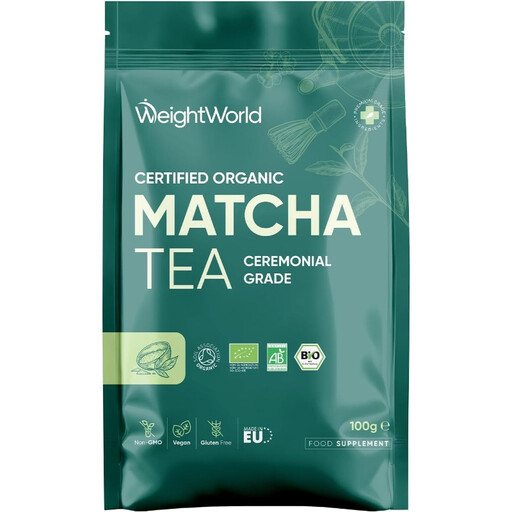 Image unavailable
WeightWorld Certified Organic Ceremonial Matcha Tea, 100 g powder
The powder format is a good choice if you prefer to measure and prepare your drink yourself. Check the ingredients list and nutritional information, then factor in anything you add to your drink.
View on Joybuy
Frequently asked questions
Is pure matcha automatically the right choice if you have diabetes?
No: matcha is not a treatment for diabetes. A powder with matcha as its only ingredient mainly lets you choose the additions and serving size. Also check what’s in the drink once it’s prepared.
How do you compare a matcha latte with a ready-to-drink beverage?
Compare their ingredients, then their carbohydrates and sugars for the portion you’ll consume. For example, Auchan’s listing for Oatly matcha drink gives values per 100 ml. If your glass contains more than that, those figures won’t represent the whole glass.
How should you store a matcha drink after opening?
Follow the instructions for the product you’ve bought. For the Oatly matcha drink listed by Auchan, the listing says to store it between 2 °C and 8 °C after opening and consume it within 5 days. These instructions don’t automatically apply to other drinks.
Should you count the caffeine in matcha if you already drink coffee?
Yes, matcha adds to your other sources of caffeine. ANSES notes that its effects on sleep vary. If you have a particular health concern or question about medication, seek appropriate professional advice.
Does a ‘slimming’ claim help you choose matcha?
No: it’s no substitute for the ingredients list or nutritional information, and it doesn’t prove that a product affects diabetes. To choose between pure powder, a latte and a ready-to-drink beverage, look at the recipe and serving size rather than a claim about its effects.


