What should you check before buying?
For a canteen, decide on the recipe you want to serve first. Then check that the format makes it easy to prepare consistently and share the necessary ingredient information.
| Criteria |
What to check |
Who this matters to |
| Ingredients and desired flavour |
For a recipe that centres on matcha, look for a product labelled as 100% matcha. Don’t confuse this powder with a latte or green tea that contains only some matcha. |
For a cup with a pronounced vegetal flavour, I want to avoid choosing a blend instead of pure powder; around 36% of the consumers concerned would make this their priority. |
| Consistent service |
Compare the format, the quantity per portion where stated, and the preparation steps that staff will need to repeat at the counter. |
When several people are preparing the drinks, I want a recipe that’s easy to portion consistently; around 29% of consumers would put consistency first. |
| Ingredients and allergens |
Read the full ingredients list and check the allergens listed on the label of the specific product you buy. |
Before adding a drink to the menu, I need to distinguish matcha from the other ingredients and identify any allergens; around 21% of the consumers concerned would prioritise this check. |
| Caffeine and storage |
Check the storage instructions for after opening, and organise service without assuming a precise caffeine content per cup. |
To manage opened products and provide information without making promises about caffeine effects, I need guidance the team can follow; around 14% of consumers would make this their main concern. |
Matcha powders to explore on Joybuy
These three powders are worth considering if you want to prepare and portion matcha in the canteen. Compare their pack sizes and check the instructions on the product you receive before agreeing on a recipe for the team.
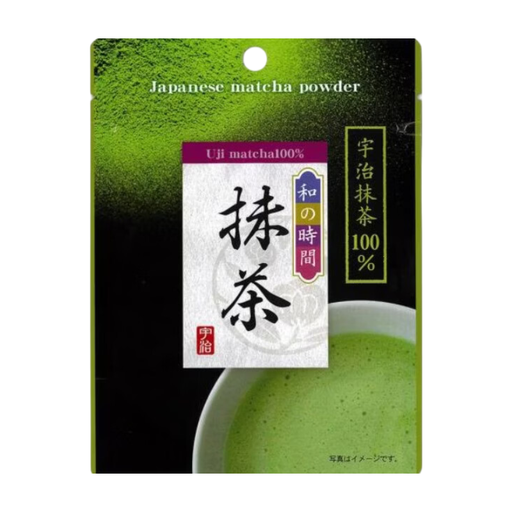 Image unavailable
Ocha no Maruko Wa no Jikan matcha 40 g
Worth considering for a matcha recipe portioned on site. The title states 40 g, while the description mentions 5 × 40 g: confirm the actual contents of the parcel before planning how much you’ll need for service.
Also check the preparation instructions and the label on the product you receive before using it in the canteen.
View on Joybuy
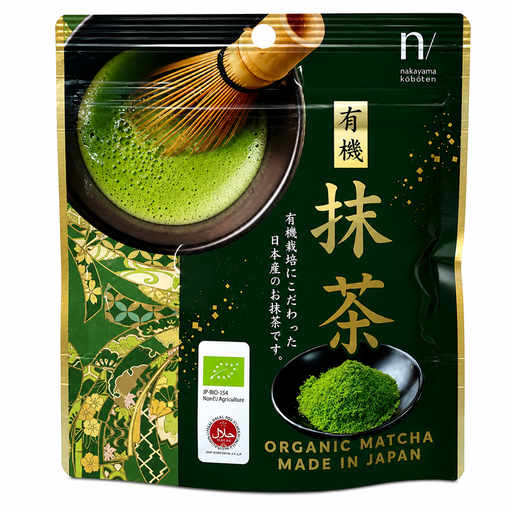 Image unavailable
JP Nakayama Organic Matcha 30 g
This 30 g pack is worth considering for testing a recipe prepared on site. Before standardising it for several cups, check the pack for the recommended quantity, preparation method and storage instructions.
Check the full label, including allergen information, for the product used during service.
View on Joybuy
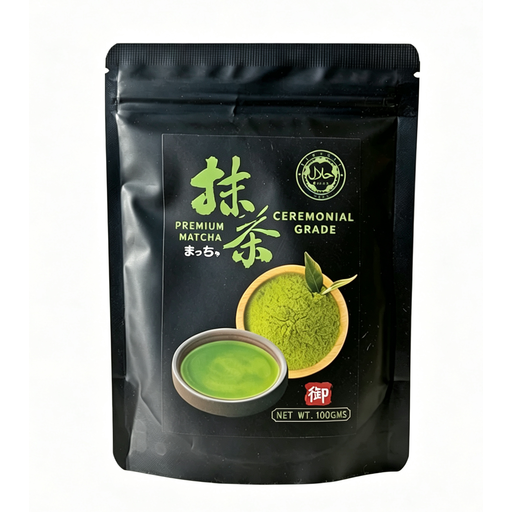 Image unavailable
GS Premium Matcha 100 g
This 100 g pack could be considered for a matcha recipe prepared in the canteen. Decide how much to use per cup after checking the product instructions and carrying out a test suited to your service.
Check the allergen information directly on the label of the product you receive; the absence of allergens from a description doesn’t prove that the product is allergen-free.
View on Joybuy
Frequently asked questions
Is a product called “matcha” necessarily suitable for a full-bodied cup?
No: the name tells you neither how much matcha it contains nor how it will taste in the cup. The product pages listed by Carrefour and Auchan include products made with 100% matcha, teas containing 2% or 3%, and a latte containing 8%. Check the ingredients, then test the recipe you choose.
What quantity of matcha powder should you try in a canteen?
For its 100 g product, the Jolivia product page listed by Carrefour suggests 2 g per cup, with water at 70 °C and whisking. Use this as a starting point for that product, but don’t automatically apply it to another powder or a large-batch preparation.
Can a matcha latte replace pure powder?
Not if you’re looking for a recipe made with pure matcha that you can portion yourself: a latte is a different kind of preparation. The SIPSTA latte product page listed by Carrefour states that it contains 77% instant oat powder and 8% matcha; check its ingredients and allergens before adding it to the menu.
Can you work out the caffeine in a cup from the word “strong”?
No: the word doesn’t tell you how much caffeine is in a serving. ANSES points out that caffeine can affect people differently, particularly when it comes to sleep, so don’t promise a specific effect or caffeine content based on the product name alone.
What should you check before adding matcha to a French canteen menu?
Check the label of the specific product you’ll use, including its name, ingredients, allergens, net quantity and applicable storage date. The Ministry for the Economy points out that allergens in prepacked foods must be highlighted. The canteen should also organise storage and preparation in line with the product instructions and its hygiene practices.


