For making a latte or baking
If you want to control how much matcha you add to milk, a smoothie or a sweet recipe, look for powders with a single ingredient. Carrefour’s listings for SIPSTA and Jolivia feature these uses.


To measure matcha into a latte, smoothie or sweet recipe, choose a powder whose ingredient list says 100% matcha. If you’d prefer a quick infusion, a tea blend in a bag could work, but check the ingredients: the Pukka and Jardin Bio Étic products featured by Auchan contain 2% and 3% matcha respectively, so they’re not a substitute for pure powder in a recipe.
If you want to control how much matcha you add to milk, a smoothie or a sweet recipe, look for powders with a single ingredient. Carrefour’s listings for SIPSTA and Jolivia feature these uses.
If you’d rather make a tea bag without measuring or whisking powder, a green tea and matcha blend suits a different routine. Check the ingredients before choosing one for its flavour or matcha content.
If you’re sensitive to caffeine or comparing several drinks throughout the day, read the ingredients and factor in the tea you drink. Anses recommends limiting caffeine in particular for pregnant or breastfeeding women, as well as children and teenagers.
First decide whether you want to measure out powder for a recipe or simply make a drink. Then compare the ingredients, format and preparation instructions for the product you’ve chosen.
Choose this if: you want to control the amount of powder in a latte, smoothie or bake.
Bear in mind: you’ll need to measure and mix the powder, rather than simply steeping a tea bag.
Choose this if: you want an easy green tea or flavoured infusion to enjoy with breakfast.
Bear in mind: the amount of matcha depends on the blend, and a tea bag won’t let you measure powder into a recipe.
| What to consider | What to check | Who it matters to |
|---|---|---|
| Measuring for recipes | Look for 100% matcha in the ingredients and read the preparation instructions. | For a latte or bake, I want to choose how much powder to use and which ingredients to add. Around 42% of the consumers concerned would make this their top priority. |
| Convenience and flavours | Compare the other ingredients and the stated matcha content; follow the tea bag’s brewing instructions. | In the morning, I’d rather make an infusion without measuring powder and choose flavours I enjoy. This convenience would be a priority for around 33% of the consumers concerned. |
| Caffeine and ingredients | Read the full ingredient list and allergen information; factor the tea into your caffeine intake. | If I’m sensitive to caffeine or keeping an eye on certain ingredients, I need to be able to check what’s in the product before choosing. Around 25% of the consumers concerned would make this their top criterion. |
According to Auchan’s product listings, the Pukka tea featured here contains 2% matcha and the Jardin Bio Étic blend contains 3%. These tea bags don’t give you the same control over quantities as pure powder for a latte or bake.
Read the ingredient list and check the matcha percentage, if stated, then choose the format that suits what you’re making.
A box of tea bags and a pack of powder are prepared differently. The net weight alone doesn’t tell you how much you’ll use for your drink or recipe.
Compare the net weight, portion guidance and preparation method for products of the same type.
According to Agence Bio, the Euro-leaf confirms compliance with European rules on organic farming. On its own, it doesn’t tell you the proportion of matcha or what else is in the blend.
Check the label, ingredient list and stated origin separately, if that matters to you.
Tea naturally contains caffeine. Anses says its effects on sleep vary from person to person, among other factors, and recommends particular care for certain groups.
Take your other caffeinated drinks into account. If you need to limit your caffeine intake, check the product information and seek professional advice tailored to your circumstances.
Carrefour’s listing features a 50 g organic powder made from 100% green tea matcha.
The 300 g organic powder featured by Carrefour is made from matcha and differs from a flavoured blend.
Auchan features a 100 g organic matcha powder that can be added to water, milk or a smoothie.
Auchan features an organic green tea blend in a box of 20 tea bags, containing 2% matcha.
The organic lemon matcha green tea featured by Auchan combines green tea with ingredients including lemongrass, mint, liquorice and lemon extract.
These products include matcha powder to measure out and instant blends to make into drinks. An instant blend isn’t necessarily a tea bag for brewing, so choose according to what you’d like to make for breakfast.
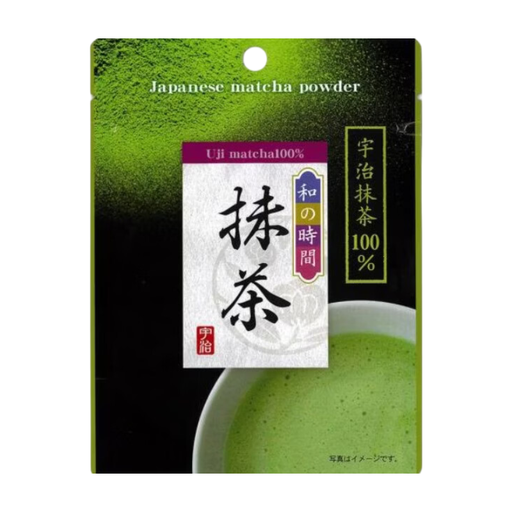 Image unavailable
A powder to consider if you want to measure matcha into a drink or sweet recipe.
Size stated in the name: 40 g. You’ll need to measure and whisk the powder; if you need to limit your caffeine intake, check the pack instructions.
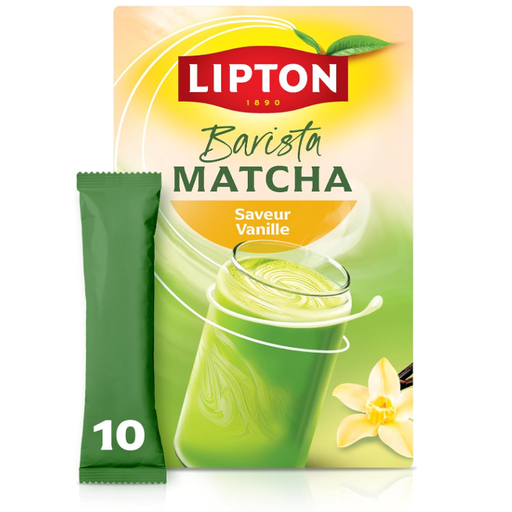 Image unavailable
An instant blend to consider if you’d prefer an easy-to-make vanilla drink rather than measuring out matcha powder.
Size: 10 portions of 11,3 g. Check the ingredients if the matcha content, oats or caffeine matter to you.
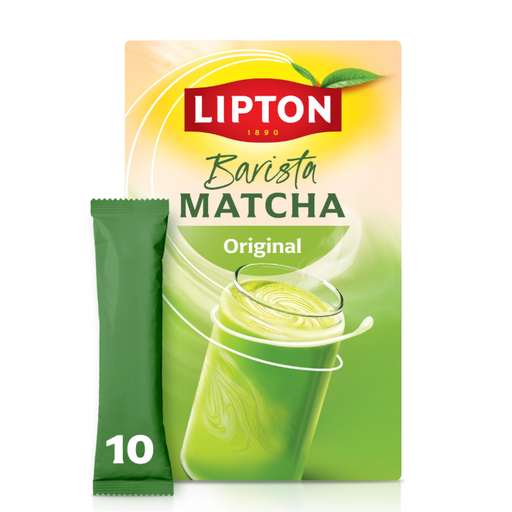 Image unavailable
An instant matcha and oat blend for a drink you can make without measuring out powder separately.
Size: 10 portions of 11,2 g. Check the ingredient list and allergen information if oats are relevant to you, as well as the caffeine guidance.
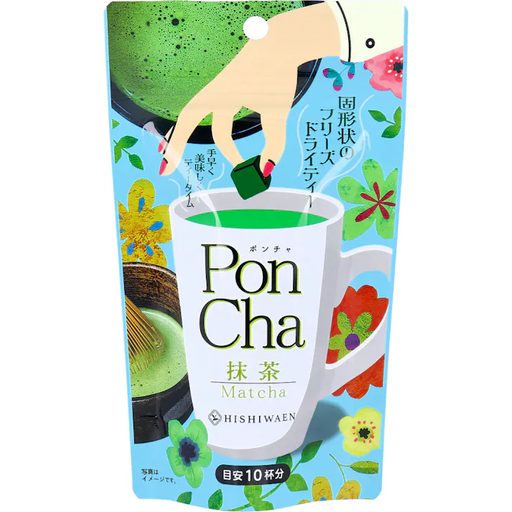 Image unavailable
A drink blend to consider if you’d rather keep preparation simple than measure out pure powder.
Size stated in the name: 10 g. Check the label to compare the ingredients, matcha content and allergen information according to your needs.
No: “matcha” can refer to a blend containing other ingredients. Auchan’s listings state that the Pukka tea mentioned here contains 2% matcha and Jardin Bio Étic contains 3%, while the SIPSTA and CLIPPER powders featured by Carrefour are listed as 100% matcha. If you want to measure matcha into a recipe, check the ingredient list of the powder you choose.
Check the instructions for the powder you’ve bought before adding it to your drink or recipe. For example, Carrefour’s listing for Jolivia recommends 2 g per cup with water at 70 °C, whisked together. These quantities and this temperature aren’t universal instructions for every product.
Follow the pack instructions and reseal it as directed. Auchan’s listing for 110 GRAINES says to protect the powder from heat, light and moisture; storage instructions may differ for a tea bag blend.
Yes, tea naturally contains caffeine, as Anses points out. If you need to limit your caffeine intake, also factor in your other caffeinated drinks and check the information for the product you’re considering.
Start with the ingredient list, the matcha content if stated, the net weight and the preparation method. For prepacked food sold in France, DGCCRF also sets out the applicable labelling information, including nutrition declarations and the date appropriate to the product. According to Agence Bio, the Euro-leaf indicates compliance with European organic production rules, not the flavour of the blend.