What should you check?
For a robust cup, first decide what kind of drink you want, then check the ingredients. The word ‘matcha’ also appears on products where the powder is just one ingredient among several.
Matcha powder
Choose this if: you want to make a cup using a product that lists matcha as its only ingredient.
Bear in mind: a pure blend alone doesn’t tell you how intense it will taste in the cup.
Matcha latte sticks
Choose this if: you’d rather have a quick-to-prepare mix than tea powder on its own.
Bear in mind: the Lipton stick listed by Auchan contains 93.5% oat powder and 6.2% matcha.
Matcha-flavoured tea
Choose this if: you want an infusion combining green tea with other herbs or flavourings.
Bear in mind: the Jardin Bio étic tea listed by Auchan contains 3% matcha powder; it isn’t a drink made from pure powder.
| What to consider |
What to check |
Who is it for? |
| How much matcha is in the cup |
Check the ingredients list and look for a powder labelled 100% green tea matcha if you want to avoid a latte mix or flavoured tea. |
I want the tea to be noticeable alongside toast and jam, without other ingredients making up most of the drink. Around 36% of consumers could rank this as their top priority. |
| Ease of preparation |
For a stick, check the matcha content and the product’s preparation instructions. |
In the morning, I’d rather have a mix that’s quick to prepare and I’m happy for it not to be made entirely from matcha. This convenience could be the priority for around 29% of consumers. |
| Format and ingredients |
Compare the net weight of products of the same type, then check whether you’re buying pure powder or a mix. |
If I make it often, I want to know how much powder I’m buying without mistaking the total weight of a mix for the weight of the matcha. For around 21% of consumers, format could take priority over other factors. |
| Caffeine |
Take account of other caffeinated drinks and the information on the product. |
Before looking for a stronger-tasting cup, I want to consider my caffeine intake, especially if it could affect my sleep. Caffeine could be the top priority for around 14% of consumers. |
Matcha powders available on Joybuy
These are matcha powders to consider if you’d like to make your own cup to enjoy with toast and jam. The name and pack size alone won’t tell you which one will taste the most robust. Check each product’s ingredients and instructions to find the right one for your preferences.
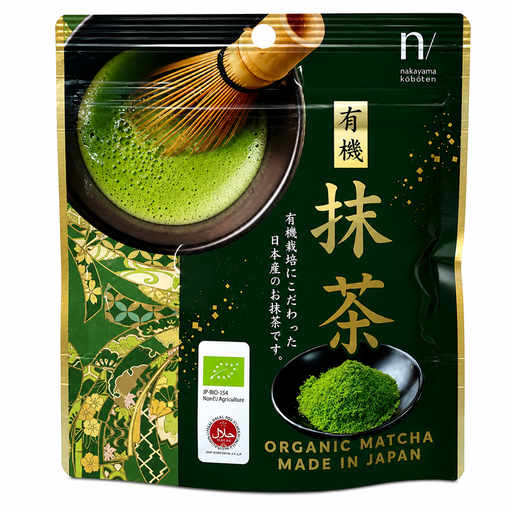 Image unavailable
JP Nakayama Organic Matcha 30 g
Worth considering if you’d rather measure out your own matcha than use a latte stick. The stated pack size is 30 g. If flavour intensity is your main priority, check the ingredients list and preparation instructions.
View on Joybuy
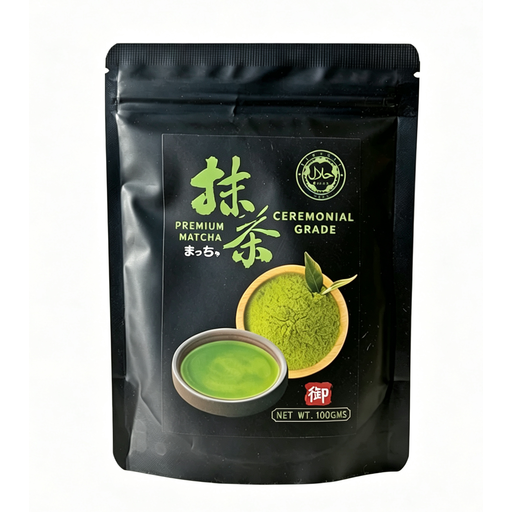 Image unavailable
GS Premium Matcha 100 g
This 100 g pack could be part of your powder comparison if you make matcha regularly. Check the ingredients before comparing it with other pack sizes; the product name alone can’t tell you how its flavour intensity compares.
View on Joybuy
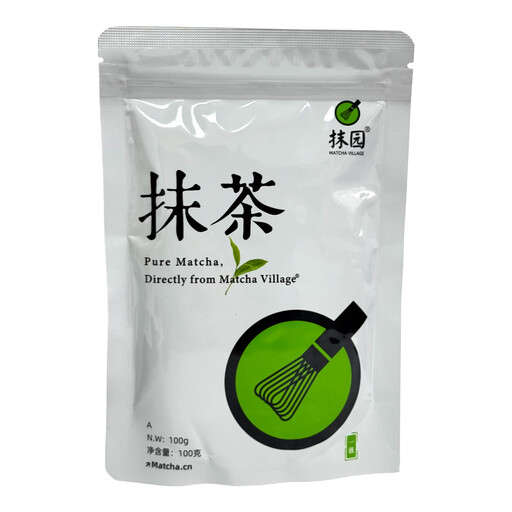 Image unavailable
Matcha Village Matcha Powder 100 g
This 100 g powder is for anyone who wants to make their own cup rather than buy a premixed drink. Before choosing, check the ingredients and storage instructions on the product.
View on Joybuy
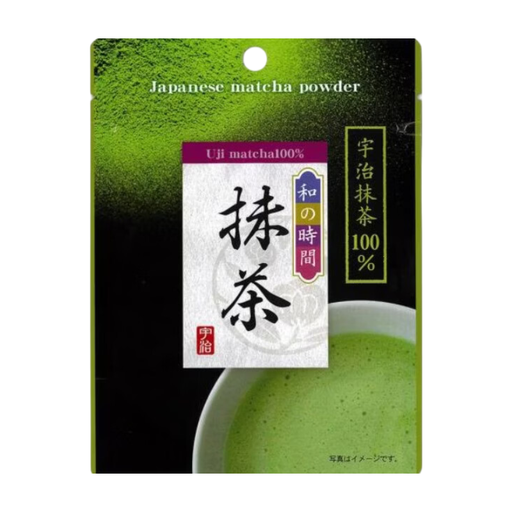 Image unavailable
Ocha no Maruko Wa no Jikan matcha 40 g
Worth considering if you’re looking for a powder to prepare by the cup. Check the pack contents before buying: the product name states 40 g, while the description says there are five 40 g sachets.
View on Joybuy
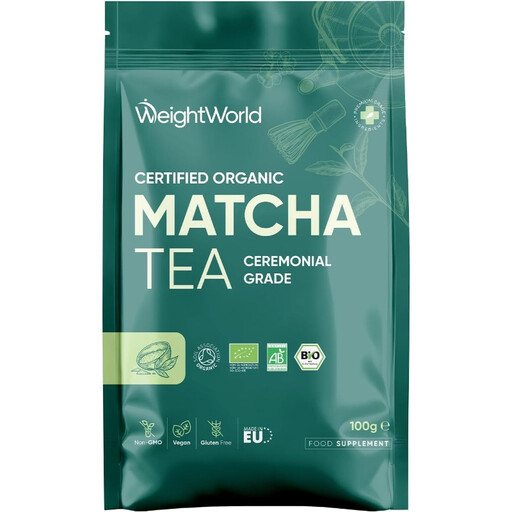 Image unavailable
WeightWorld Certified Organic Ceremonial Matcha Tea, 100 g powder
This 100 g powder may suit you if you like to measure out your own cup. Its description says it has a mild flavour. If you’re looking for a particularly robust taste, don’t judge its intensity by the product name alone.
View on Joybuy
Frequently asked questions
Will a pure powder always make a very robust matcha?
No. An ingredients list stating 100% matcha confirms what the product contains, not a specific level of flavour intensity. It is, however, the most suitable starting point if you want to enjoy matcha with toast and jam without an oat-based mix or flavoured infusion changing the nature of your drink.
Can matcha latte sticks replace pure powder?
They can replace powder if your priority is a mix that’s easy to prepare, but not if you want a drink made entirely from matcha. According to Auchan’s listing for the Lipton stick reviewed, the recipe contains 93.5% oat powder and 6.2% matcha.
Will a ‘matcha’ tea bag make the same drink?
No. The Jardin Bio étic tea listed by Auchan contains 3% matcha powder, as well as green tea, lemongrass and mint. Choose this type of tea bag for its combination of ingredients, rather than as an alternative to pure powder.
How do you prepare the Lipton latte stick listed by Auchan?
Auchan’s listing recommends mixing with 150 ml of water at 90 °C for the flavour it describes as intense, or 170 ml for a milder taste. These quantities apply to this specific stick and don’t change its matcha content.
Why should you consider caffeine when choosing matcha?
Matcha is a type of tea, and tea naturally contains caffeine. Anses says caffeine can delay falling asleep or reduce sleep quality. Take account of your other caffeinated drinks and when you plan to enjoy your cup.


