What should you look for first?
For match-night nibbles, start with what matters most to you, then compare products in the format you plan to serve.
| What to look for |
What to check |
Who is it for? |
| Protein |
Compare the protein content per 100 g of the exact product, then check whether it’s whole nuts, a powder or a mix. |
If I want my nibbles to contribute to my choice of protein-containing foods, a clear figure on the pack matters more to me than the name of the aisle. Around 40% of consumers prioritise protein content. |
| Salt and allergens |
Read the ‘salt’ figure, ingredients list, allergen information and any ‘may contain’ warnings. |
If a guest has an allergy, I need to check the exact recipe before filling the bowls. I might also look for an unsalted option. Ingredients that are suitable and salt content come first for around 30% of consumers. |
| Sharing format |
Check the pack size and choose between whole nuts, pistachios in shells and ground ingredients. |
When serving several people during the match, I mainly need something that’s easy to put out in a suitable quantity. Format is the main concern for around 20% of consumers. |
| Flavour variety |
For a mix or flavoured product, compare the ingredients as well as the protein, sugars and salt per 100 g. |
If I want to mix up the flavours, I want to know what’s in the mix rather than guessing its contents just because it includes almonds or walnuts. Around 10% of consumers prioritise variety first. |
An option for match night on Joybuy
A small pack of flavoured almonds to consider if you’re after a different taste for your nibbles rather than a plain option.
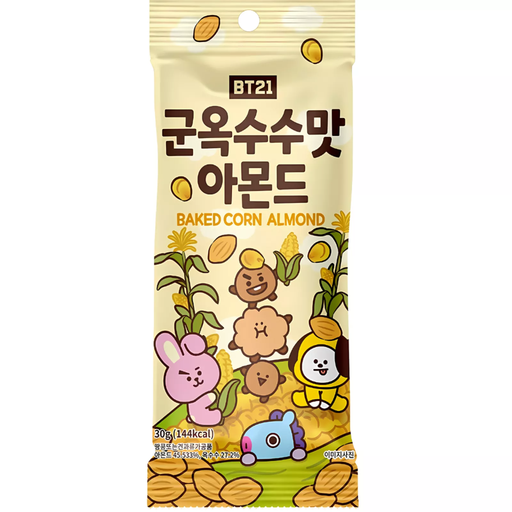 Image unavailable
BT21 baked corn flavour almonds, 30 g
This small flavoured pack is an option if you fancy something different during the match, but it isn’t the same as a plain variety. Before serving it to a group, check the pack for protein per 100 g, salt and allergen information.
View on Joybuy
Frequently asked questions
Which almonds or pistachios should I choose if protein is my priority?
Compare the protein content per 100 g of products you can actually serve. Auchan lists 25 g per 100 g for JUSTE BIO ground almonds, while Monoprix lists around 20 g per 100 g for Vico pistachios. The first figure is for an ingredient used in recipes, so it doesn’t compare whole almonds with pistachios.
Is dried fruit always high in protein?
No. The term ‘dried fruit’ doesn’t guarantee a particular protein content. Whether you’re buying dried fruit or a mix, check the nutritional information for the whole product rather than relying on its name or a single ingredient.
How can I choose a less salty option for my nibbles?
Compare an unsalted or no-added-salt product with the salted options you’re considering, and read the ingredients and ‘salt’ figures. A ‘no added salt’ claim doesn’t remove the need to check the nutritional information for the exact product.
What should I check if a guest has an allergy?
Before serving, check the allergens highlighted in the ingredients list and any ‘may contain’ warnings on each pack. The DGCCRF says allergenic ingredients must be highlighted on prepacked foods; don’t assume a product is suitable based on its name alone.
Is one pack of nuts enough to assess whether they’re suitable for sport?
No. The protein content of a pack doesn’t, on its own, tell you about your overall diet or the needs associated with physical activity. When choosing nibbles, compare the nutritional information and the portion you plan to serve without assuming the product will help with recovery.


