
Livraison le jour même ou le lendemain

Qualité garantie

Débloquez vos offres de bienvenue: Livraison GRATUITE | Jusqu'à -80 % | 30 jours d'essai gratuits à JoyPlus
Téléchargez l'application
A leak under the sink, a crack in an exterior wall, a shower seal turning black, or rust on the gate: these everyday annoyances demand a fast, durable solution. The market is flooded with mastics and sealants, but how do you navigate the options without making a mistake? As a product expert at Joybuy, I'm here to help you decode the options and make an informed choice.
Navigating marketing claims can quickly become a headache. Here are the classic mistakes that can cause your repairs to fail:
To avoid these pitfalls, it's crucial to focus on a few technical criteria. Mastering them will allow you to precisely select the right product to seal a leak or repair a surface.
The chemical composition of the product determines its properties and field of application.
Each situation imposes its own constraints. It is therefore imperative to verify that the chosen product is suitable for them.
The product's packaging directly affects the ease and cleanliness of the application.
Rather than an impersonal list, here are targeted solutions for specific user profiles. This will help you find the product that truly matches your project.
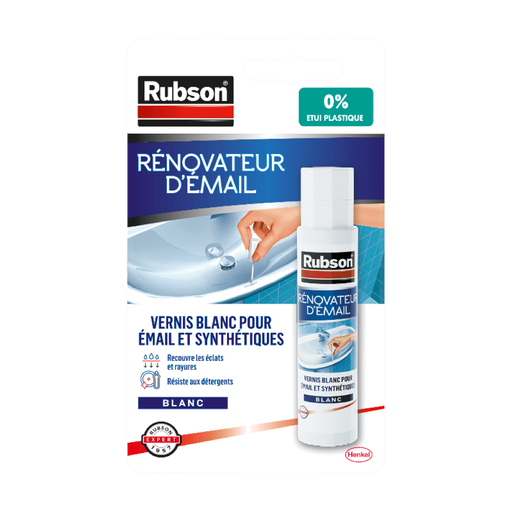
Why it's the right choice: Perfect for small, targeted repairs like a chip on a sink, bathtub, or home appliance. Its compact format with an integrated brush saves you from buying extra tools and prevents waste.
This enamel restorer isn't a "do-it-all" product. It's a specialized solution for enamel and synthetic surfaces, ensuring a perfectly adapted finish and adhesion where a generic sealant would surely fail.
Resistant to detergents for a repair that lasts. The integrated applicator brush allows for precise and clean work on small chips and scratches.
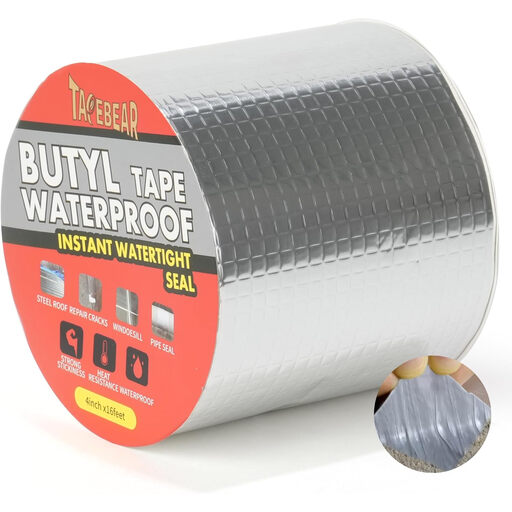
Why it's the right choice: Perfect for homeowners or RV owners dealing with outdoor leaks. Its pure butyl composition ensures a reliable and durable seal on roofs, gutters, windows, and awnings.
This exterior sealing tape is designed for maximum adhesion on multiple substrates (metal, tile, wood, fiberglass). It solves the compatibility problem, and its specialization for outdoor use makes it far more reliable than a generic product.
Resists extreme conditions (from -40°C to 80°C and UV) without cracking. Its pure butyl rubber composition ensures waterproof and long-lasting protection.
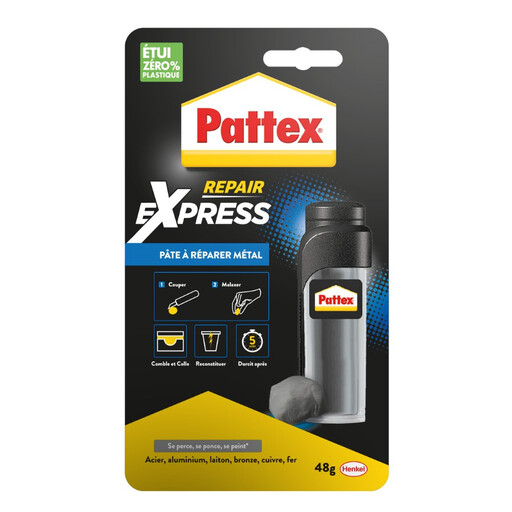
Why it's the right choice: Designed for those who work with metal (gates, bodywork, piping). This two-part epoxy putty allows you to bond, rebuild, and permanently repair metal parts, even those subjected to high stress.
This metal repair putty is a structural solution, much more than a simple adhesive. It is formulated with metal particles for maximum strength, avoiding the trap of a superficial repair that wouldn't hold up over time.
Resistant to water (even when submerged) and extreme temperatures (from -30°C to +120°C). Once dry, the repair can be sanded, drilled, and painted for an invisible finish.
For metalwork, a preventive or curative treatment is often essential. We've compiled a comprehensive selection of products that meet strict selection criteria.
On average, a good quality bathroom silicone sealant lasts between 3 and 5 years. Its longevity depends on several factors: the quality of the product (the presence of fungicidal agents is a real plus), good ventilation in the room to limit stagnant moisture, and regular cleaning with non-aggressive products.
No, and this is a common mistake. The vast majority of silicone-based sealants cannot be painted: the paint does not adhere and flakes off quickly. For a painted finish, you must choose an acrylic sealant or a product specifically labeled as "paintable." Similarly, a rust converter is designed to be coated with a special metal paint once dry.
For a flawless result, start by cutting and removing the bulk of the seal with a utility knife or a dedicated tool. Then, apply a silicone residue remover to eliminate the last traces. The surface must be perfectly clean, degreased, and dry before applying the new seal to ensure optimal adhesion.