
Livraison le jour même ou le lendemain

Qualité garantie

Débloquez vos offres de bienvenue: Livraison GRATUITE | Jusqu'à -80 % | 30 jours d'essai gratuits à JoyPlus
Téléchargez l'application
Painting a wall, renovating a piece of furniture or protecting a car body isn't something you can improvise with just any roll of adhesive tape. A poorly chosen masking tape for painting can let paint bleed through, peel off a finish or leave sticky residue when removed. To avoid nasty surprises, you need to compare the backing material, width, how long it can stay in place and the level of protection required.
A tape that sticks firmly isn't necessarily the most practical. On fresh paint, wallpaper or a delicate surface, excessive adhesion can pull off the top layer. On the other hand, a tape that's not sticky enough may lift and cause paint bleeds.
The right choice depends on the surface. A low-adhesion washi masking tape can work well for delicate finishes, while a general-purpose painter's tape will perform better on dry, smooth, even surfaces.
A 19 or 25 mm strip makes it easier to handle details, mouldings and narrow edges. A width of 48 to 50 mm covers more of the adjacent area and limits overspray. For protecting a floor, piece of furniture or vehicle, tape alone is usually not enough – it's better to use a painting protection film or a painting dust sheet.
Also check the total length. Five rolls of 50 m can be very handy for several rooms, while a single extra-wide pre-taped roll will save time on a large surface.
The stated removal time is an important piece of information, but it also varies depending on temperature, exposure to sunlight, the type of surface and the condition of the paint. The products shown below advertise a removal window of up to 7, 14 or 30 days, depending on the reference. Still, always test on an inconspicuous area and remove the tape as soon as the job is finished.
Washi paper is valued for its flexibility and high application precision. A low-tack adhesive is generally better suited to sensitive surfaces, provided they are clean, dry and sufficiently stable. Crepe paper offers versatile use on common surfaces, while polyethylene or polypropylene is more intended for protective films.
No material is compatible with every surface. On a freshly painted wall, wallpaper, bare wood or a fragile varnish, always test the masking adhesive tape first.
For a car body, an automotive masking tape combined with a pre-taped film reduces joins and protects a wider area against paint mist.
Apply the tape to a dust-free surface that is free of oil and moisture. Carefully press down the edge with your finger or a soft tool. After painting, wait until the paint is touch-dry, then slowly remove the tape at about 45°, without stretching it. This method reduces the risk of pulling off the finish or leaving an uneven line.
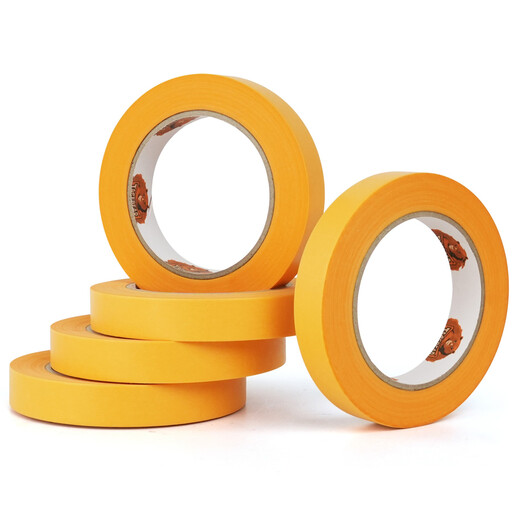
Why this choice suits this profile: Its narrow format is ideal for small decorating jobs, borders and touch-ups, without needing a host of extra accessories.
At 19 mm wide, it stops you paying for excessive coverage on detailed work. The listing mentions a low-tack adhesive and a recommended removal within 7 days.
Five rolls of 50 m, washi paper and claimed UV resistance for 7 days.
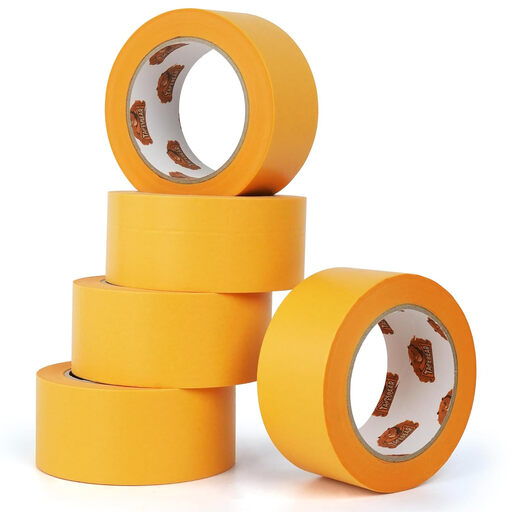
Why this choice suits this profile: Its 50 mm width simplifies interior finishing, furniture painting and multi-colour projects that need clearly visible placement.
The washi backing and low-tack adhesive are designed to avoid overly aggressive adhesion. A preliminary test is still essential on fragile surfaces.
Five rolls of 50 m, a covering width of 50 mm and claimed UV exposure of up to 7 days.
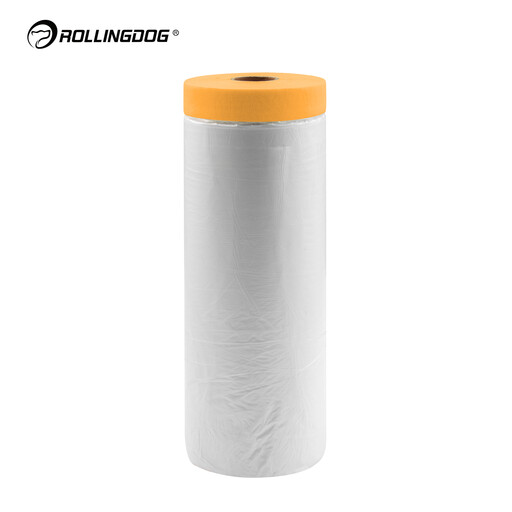
Why this choice suits this profile: Its extra-large format is ideal for renovation projects, floor protection and large wall surfaces.
The film and tape combined on a single roll reduces joins and preparation time. However, do measure the width you need before buying.
280 cm wide film, electrostatic treatment, pre-taped edge and claimed clean removal for up to 30 days.
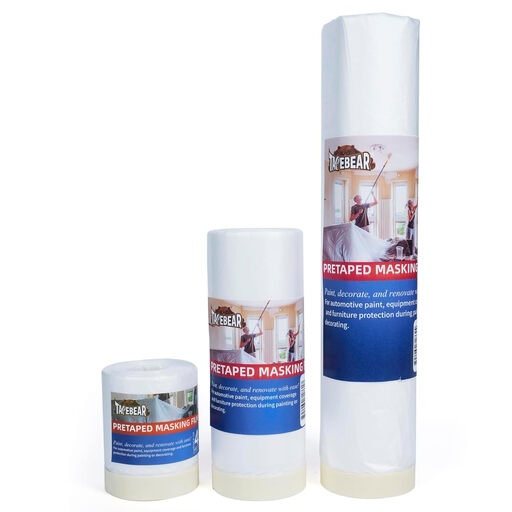
Why this choice suits this profile: The three widths cover a range of needs, from protecting a piece of furniture to a floor or a vehicle.
The thicker film is presented as tear-resistant and scratch-resistant. Respect its stated temperature limit of 80 °C, especially during automotive painting work.
Rolls of 550, 1,400 and 2,600 mm on 27 m, integrated edge and protection against splashes, dust and scratches.
We have put together a comprehensive, real-time updated list of products that meet these strict selection criteria and the requirements of European safety regulations.
On a floor, secure the walkway area – some plastic films can be slippery. For a car body, keep films away from flames and unintended heat sources.
Choose a width suited to the area and carefully press down the edge of the tape. A precision washi tape can work for fine edges, while a 48 to 50 mm tape will better cover adjacent areas. No anti-bleed tape makes up for an unclean surface or uneven application.
It depends on the product and the surface. The references shown advertise a duration of up to 7, 14 or 30 days under certain conditions. To minimise residue, remove the tape as soon as the paint is touch-dry and do not exceed the stated time.
Pre-taped masking film lets you quickly cover furniture, walls, floors or vehicles thanks to its integrated edge. A separate dust sheet may sometimes be more suitable for large floor areas or repeated jobs. Compare the width, length, tear resistance and ease of fixing.