Runners who already have a plant-based breakfast routine
If you use oat drink in cereal, porridge or a smoothie, compare its carbohydrate content with the rest of your meal before having the same recipe around a race.


When planning for a marathon, choose an oat drink as part of a meal or recipe you’ve already tried, rather than relying on it as your only source of fuelling. Compare the carbohydrates per serving, then check the fibre, fat, ingredients and storage instructions on the carton you plan to use. ‘No sugars’ does not mean ‘no carbohydrates’.
If you use oat drink in cereal, porridge or a smoothie, compare its carbohydrate content with the rest of your meal before having the same recipe around a race.
If you avoid trying anything new before the start, the serving size, fibre and added ingredients in your recipe matter more than a flavour claim on the packaging.
If you’re looking for a plant-based drink with added calcium or vitamins, check the exact product and read its ingredients, particularly if you need to avoid an allergen.
For use around a marathon, start with the serving and meal you have planned, then check whether the same recipe works for you during training. ‘Mature’ or ‘aged’ does not replace the nutritional information on the carton.
| What to consider | What to check | Who this matters to |
|---|---|---|
| Carbohydrates in your meal | Check the ‘carbohydrates’ per 100 ml and calculate the amount in your serving; distinguish this from ‘of which sugars’. | If I’m counting this drink as part of my pre-race breakfast, I want to know how much it contributes without confusing it with the whole meal. Around 34% of consumers would put carbohydrate content at the top of their list of criteria. |
| Routine and composition | Compare the fibre and fat content, then try your planned serving and recipe during training. | Close to race day, I’d rather stick with a drink and preparation I’ve used before than change my recipe. Digestive comfort would be the top priority for around 33% of consumers. |
| Ingredients and fortification | Check the ingredients and allergens, as well as the calcium and vitamins listed for the exact product. | If I choose a plant-based drink for its ingredients or fortification, I need to be able to check that the carton meets my requirements. This would be the main consideration for around 20% of consumers. |
| Buying and storage | Check availability at your local shop and the storage and after-opening instructions. | If I only use it occasionally, I want to be able to finish the carton within the time stated on the packaging. Around 13% of consumers would put this practicality first. |
Auchan’s product pages for Oatly No Sugars and Alpro Unsweetened each show 0 g of sugars, but 6.3 g and 5.5 g of carbohydrates per 100 ml respectively.
To work out how your serving contributes to your meal, check both lines on the same per-100 ml basis.
Fibre content varies between products, and a smoothie adds the ingredients in its recipe to those in the drink.
Try the same drink, serving size and ingredients during training, in similar conditions.
Added calcium or vitamins indicate that a drink is fortified; they don’t replace all the food and fluids planned around prolonged exercise.
Include the drink in your planned meal or recipe, rather than making it your only fuelling option.
Auchan’s product pages for its standard and organic products say to keep them refrigerated and consume them within five days of opening.
Check the instructions on each carton and buy an amount that suits your consumption.
An opened carton that you can’t finish within the stated time may go to waste.
Oat drinks with different nutritional values across the Oat Original and Unsweetened varieties.
The Original and No Sugars products make it easy to compare the sugars and carbohydrates listed on the label.
Worth considering if you want to compare the ingredients in an organic oat drink.
An organic product whose listing separates carbohydrates, sugars and fibre.
Standard and organic products to compare by their nutritional values and after-opening instructions.
These oat drinks could be part of a drink, breakfast or coffee you’ve already tried during training. The Barista varieties are designed for coffee; none of these cartons is a complete marathon fuelling plan on its own.
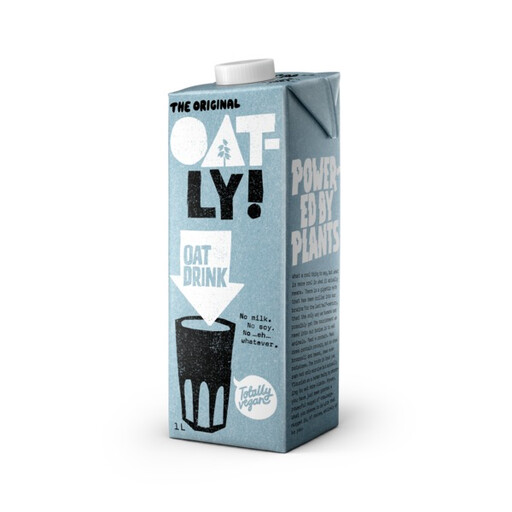 Image unavailable
If you’re having it with a breakfast you’ve already tried, compare the carbohydrates in your serving with those in the rest of the meal. Check the ingredients and storage instructions on the carton.
 Image unavailable
If the ‘0%’ claim catches your eye, check what it refers to and read the carbohydrates and sugars separately. Check the ingredients too, according to your needs.
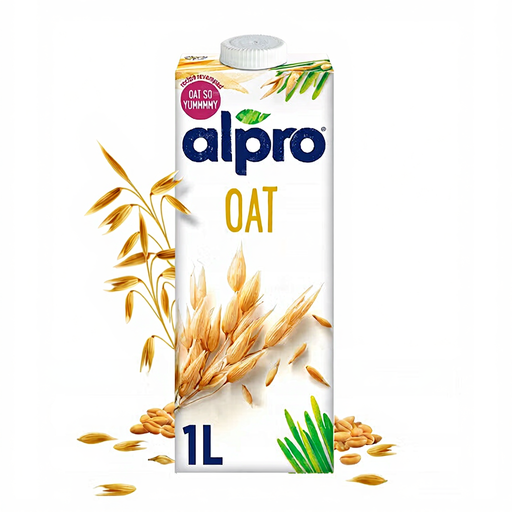 Image unavailable
For a pre-race recipe you’ve already tried, check the carbohydrates and the planned serving size. If fortification matters to you, read the values on the exact carton you’re buying, rather than those for another Alpro variety.
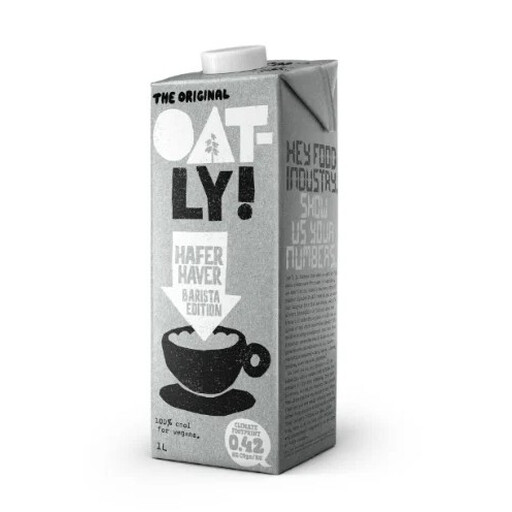 Image unavailable
This Barista variety is designed to go with coffee. If you plan to drink it close to a race, try the drink and serving size as part of your training routine first.
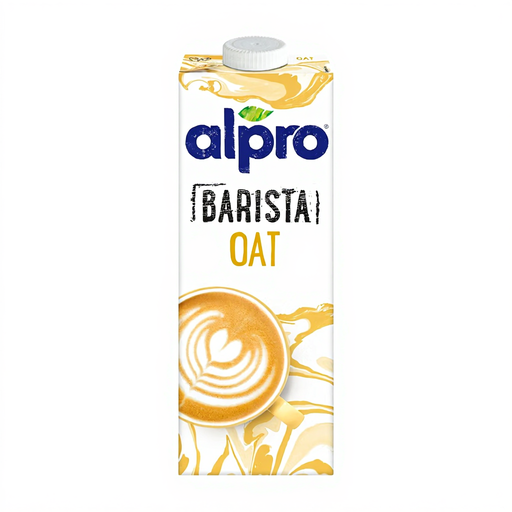 Image unavailable
If you’re having it with coffee as part of your usual routine, check the nutritional values for the amount you use. The Barista name doesn’t tell you whether it’s suitable for your pre-race meal.
No. Oat drink can be part of a meal or recipe, but it doesn’t replace all the food and fluids planned around exercise. Consider how it fits into a fuelling strategy you’ve already tried during training.
Yes, it depends on the product: Auchan’s product pages list 6.3 g of carbohydrates per 100 ml for Oatly No Sugars and 5.5 g for the Alpro Unsweetened version, despite both listing 0 g of sugars. Check both lines before calculating the amount in your serving.
Read the ingredients list and allergen information on the exact carton you’re buying. In France, the Directorate General for Competition Policy, Consumer Affairs and Fraud Control reminds shoppers that allergens in pre-packed foods must be highlighted in the ingredients list.
Follow the instructions printed on the product you’ve bought. Auchan’s product pages for its standard and organic oat drinks say to keep them refrigerated and consume them within five days of opening.