What should you check first?
Start with how you plan to use it: during a race, for a break or as a gift. The same format won’t necessarily suit all three.
| Criteria |
What to check |
Who is it for? |
| Fuelling during exercise |
Carbohydrates per 100 g and in the amount you plan to take; whether you can split it into portions, and whether you’ve already tested how well you tolerate it. |
For a long race, I want to spread out what I take with me without having to guess when to eat it. Around 36% of consumers would prioritise carbohydrate intake during exercise. |
| Ingredients and allergens |
Carbohydrates, including sugars, and fat per 100 g; the ingredients and allergen information for the exact product. |
When comparing bars for a break, I want to understand what’s in them and spot any ingredients I need to avoid. Around 29% of consumers would put checking the label first. |
| Gifting and sharing |
The varieties in the gift box, net quantity and ingredients for each recipe in the assortment. |
When buying chocolate as a gift, I want to choose varieties that suit the recipient’s tastes. Around 21% of consumers would prioritise gifting or sharing. |
| Format outside a race |
Net weight, number of bars and storage instructions on the packaging. |
If I plan to open a bar and eat it over several occasions, the format should suit how I’ll eat and store it. Around 14% of consumers would prioritise the format. |
Brands to consider by product
These brands offer a starting point for comparing chocolate bars and gift boxes. The details below relate to the specific products mentioned, not their entire ranges.
Milka
Milk chocolate bars, including 100 g and 200 g formats among the products listed by Carrefour and Joybuy.
- The Joybuy listing for the 200 g milk chocolate bar gives 59 g of carbohydrates per 100 g: compare this with the portion you plan to eat.
- The same listing gives 29.5 g of fat per 100 g. These figures alone aren’t enough to establish whether it’s suitable for fuelling during a race.
Lindt
EXCELLENCE bars with varying cocoa percentages, as well as gift boxes for giving or sharing.
- According to Lindt’s product listings, EXCELLENCE 70% contains 35 g of carbohydrates, including 30 g of sugars, per 100 g, while EXCELLENCE 100% contains 11 g of carbohydrates, including 0.5 g of sugars.
- So cocoa content alone won’t tell you how much carbohydrate to choose for a race. Check the product information and allergens for the exact product too.
Côte d’Or
Dark and milk chocolate bars, as well as bars with added ingredients; Carrefour lists, among others, an organic dark chocolate bar with 85% cocoa.
- This product gives you the opportunity to check the ingredients list and nutritional values for a dark chocolate bar with a high cocoa content.
- The Carrefour listing warns that it may contain nuts and milk: cocoa content is no substitute for checking the allergen information.
Nestlé Dessert
Chocolate for baking; Carrefour describes a 170 g dark chocolate bar with 70% cocoa.
- The intended use of this product for baking helps distinguish it from a gift assortment or a portion prepared for a race.
- The product listing warns that it may contain nuts. Check the packaging of the product you choose before using it.
Tablette d’Or
An E.Leclerc Marque Repère brand, including a pack of two milk chocolate and crispy rice bars, each weighing 100 g.
- For this product, the E.Leclerc listing gives 60 g of carbohydrates, including 50 g of sugars, per 100 g.
- The same listing gives 25 g of fat per 100 g and lists milk, wheat and soya among the ingredients. Compare the exact recipe for your intended use.
Chocolate bars and assortment on Joybuy
This selection includes an assortment for giving or sharing, as well as chocolate bars to enjoy outside a race. If you’re considering one for a marathon, the format and product name are no substitute for checking the portion, nutritional values and how well you tolerate it.
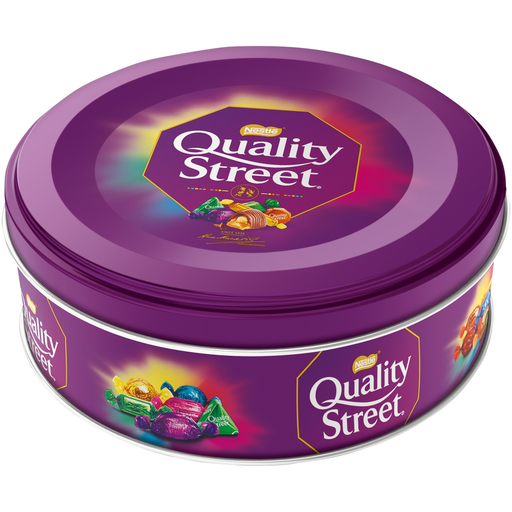 Image unavailable
Quality Street assorted chocolates and toffees in a tin, 400 g
This 400 g tin is better suited to giving or sharing than to a set portion for a race. Before choosing it for someone, check the ingredients and allergens in the sweets in the assortment.
View on Joybuy
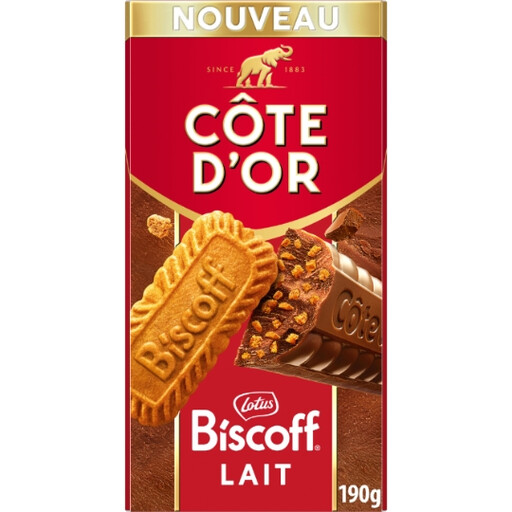 Image unavailable
Côte d’Or milk chocolate with Lotus Biscoff biscuit filling, 190 g
This 190 g filled chocolate bar is worth considering for a break or sharing outside a race. As it contains biscuit, it’s particularly important to check the ingredients and allergen information for the exact product.
View on Joybuy
 Image unavailable
Milka Alpine Milk, 3 x 100 g bars
This pack of three 100 g bars is a good choice for sharing or enjoying over several occasions outside a race. If you’re thinking of taking some with you, compare the values per 100 g with the amount you actually plan to take, and check the allergens on the packaging.
View on Joybuy
 Image unavailable
Lindt Excellence 70% dark chocolate, 35 g mini bar
The 35 g format may appeal if you’d like a small bar to savour. Its 70% cocoa content doesn’t tell you how many carbohydrates to plan for during a race; check the nutritional values and allergens too.
View on Joybuy
Frequently asked questions
Does the French tax on sugary drinks apply to chocolate bars?
No. Article 1613 ter of the French General Tax Code, published on Légifrance, applies to the drinks and liquid preparations for drinks covered by this levy, not solid chocolate bars or gift boxes. To compare chocolates, check the sugars listed in their nutrition information.
Is Nutri-Score compulsory on a chocolate bar sold in France?
No. According to the DGCCRF, Nutri-Score is voluntary. However, nutrition declarations are compulsory for most prepacked foods and allow you to compare values per 100 g, among other things. Check the ingredients list separately for allergen information.
What should you check on a chocolate bar you’re considering for a long run?
Check the carbohydrates and fat per 100 g, then calculate what they amount to in the quantity you plan to take with you. Guidance published in the Journal of Sports Sciences for prolonged exercise measures carbohydrate intake per hour; it doesn’t endorse any particular bar as fuelling. Also check the ingredients, allergens and how well you tolerate the product during training.
Is a bar with a high cocoa content better for fuelling?
Cocoa content alone isn’t enough to answer this. According to Lindt EXCELLENCE product listings, 70% and 100% bars contain different amounts of carbohydrates per 100 g. First decide whether you’re looking for something to savour or a quantity of carbohydrates to spread out during exercise, then check the values for the exact bar.


