A premium madeleine can be a familiar snack around a marathon, but its all-butter recipe alone doesn’t make it a suitable main source of race fuel. INSEP stresses the importance of tailoring your diet to your sport and individual needs. If you choose a cake, check its portion size, carbohydrate and fat content, and allergens, then try it during training rather than for the first time on race day.
Who is this choice for?
Runners who plan what they eat before a race
You want to know the portion size and ingredients of a snack before taking it along for a long race. INSEP highlights the importance of tailoring your diet to your individual needs and taking your digestive tolerance during competition into account.
Fans of all-butter madeleines
You’re looking for the taste of a Commercy madeleine or another traditional cake recipe, without assuming that its premium positioning alone meets your needs during a race.
Shoppers who prefer snacks to take on the go
An individually wrapped pack can make it easier to carry a cake and stick to a portion you’ve chosen. The format doesn’t mean you can skip checking the nutritional information and allergen warnings for the specific product you buy.
What should you look for?
First, decide whether you’re after a cake as a treat or want to include it in your intake around a race. For the latter, INSEP recommends choosing foods to suit your individual needs rather than relying on the product name alone.
| What to consider |
What to check |
Who this matters to |
| Digestive tolerance |
Choose a portion size and time to eat it that you’ve already tried during training. Check the ingredients again if you switch recipes. |
Before a race, I’d rather have a snack I know I can tolerate than try a new cake. Around 39% of consumers would put this predictability at the top of their list. |
| Carbohydrates and portion size |
Compare the carbohydrate and fat content per 100 g, then consider how much you actually plan to eat. |
If I want to include a cake in my intake, I need a clear portion size and easy-to-read nutritional information. Around 31% of consumers would make this their priority. |
| Enjoyment |
Separate the recipe you enjoy from any potential use around exercise; check the portion size and fat content listed. |
I might choose an all-butter madeleine for its taste without treating it as race fuel. Around 15% of consumers would choose it first as a treat. |
| Allergens |
Read the ingredients list and any ‘may contain’ warnings on the exact pack you’re buying. |
If certain ingredients aren’t suitable for me, the ingredients in the product I choose come before its taste or format. Around 15% of consumers would put this compatibility first. |
Mistakes to avoid
-
Assuming ‘all butter’ means it’s suitable as race fuel
The recipe tells you about the cake, not whether it’s right for your race-day intake. According to information from St Michel and E.Leclerc, the St Michel Madeleines de Commercy reviewed contain 28 g of fat per 100 g, compared with 20.4 g in P’tit Deli’s long madeleines.
Compare the carbohydrate and fat content and portion size of each product, then decide whether you’re mainly looking for a cake to enjoy or something to include in your race strategy.
-
Trying a new cake for the first time on marathon day
An unfamiliar recipe or portion size can add uncertainty when your digestive tolerance matters. INSEP recommends tailoring your food choices to your individual needs and the demands of competition.
If you’re thinking of having this cake on race day, try the product, portion size and timing during similar training sessions first.
-
Relying on the name of the cake to check for allergens
Ingredients vary between products. The madeleines reviewed include ingredients such as wheat, milk or butter, and eggs; some also list almonds or possible traces of nuts or soya.
Check the packaging of the product you’re actually buying. If you have an allergy, don’t assume a product is suitable based on a name such as ‘madeleine’ or ‘all butter’.
Brands to know when comparing recipes
St Michel
The brand offers mini madeleines and Madeleines de Commercy, with recipes that let you compare two different fat contents.
- According to St Michel, its Petites Madeleines contain 54 g of carbohydrates and 21 g of fat per 100 g.
- The Madeleines de Commercy reviewed also contain 54 g of carbohydrates, but 28 g of fat per 100 g, according to St Michel. These figures alone don’t determine the portion size or timing that would suit you.
Carrefour Original
Its all-butter madeleine is another recipe to consider if you’re comparing madeleines for their taste and nutritional values.
- Carrefour’s product information lists 440 kcal and 24 g of fat per 100 g.
- The ingredients list includes wheat, eggs, butter and almonds, among other ingredients. Check that it meets your dietary requirements.
P’tit Deli
This range, sold by E.Leclerc, includes long all-butter madeleines with nutritional information that’s useful when comparing specific products.
- E.Leclerc lists 57.0 g of available carbohydrates and 20.4 g of fat per 100 g for the product reviewed.
- It’s still an all-butter madeleine: these figures alone aren’t enough to show whether it’s suitable for your race strategy.
Auchan Terroir
The range includes all-butter madeleines with Guérande salt, sold in individually wrapped portions.
- This packaging can be handy if you want to take a portion along to try during training.
- To compare this product with other madeleines, check its nutritional values and the amount in the pack you’re buying.
Reflets de France
The Carrefour range includes all-butter Madeleines de Commercy for anyone looking for this traditional cake speciality.
- Carrefour describes the recipe as having a delicate hint of lemon.
- The product information warns that it may contain traces of nuts. Check the nutritional values too before comparing it for use around a race.
Cakes and biscuits on Joybuy
These butter biscuits, shortbread-style biscuits and pineapple cakes are options if you’re looking for a treat to enjoy or take with you. Their inclusion here doesn’t mean they’re being recommended as marathon fuel. If you plan to eat one close to race day, check the portion size and try it during training first.
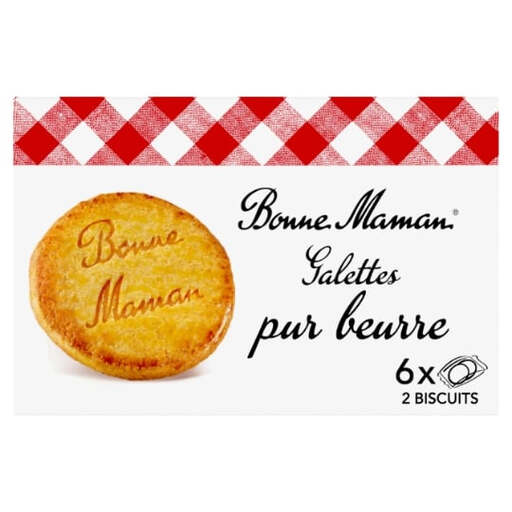 Image unavailable
Bonne Maman all-butter biscuits, 170 g
If you fancy some butter biscuits, this 170 g pack is best thought of as a treat rather than race fuel based on its name alone.
Check how much you plan to eat and the packaging if you want to take a specific portion with you.
View on Joybuy
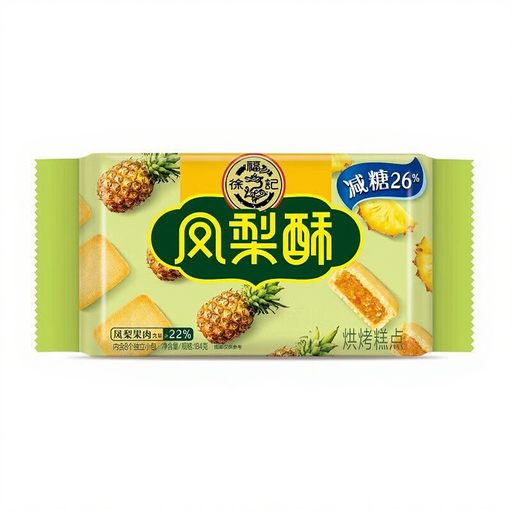 Image unavailable
HSU FU CHI Pineapple Cake (Reduced Sugar), 184 g, 8 sachets
If you want to take a pineapple cake with you, this 184 g pack contains eight individual sachets.
Check the amount in each sachet before choosing your portion. The variant name is no substitute for reading the nutritional information.
View on Joybuy
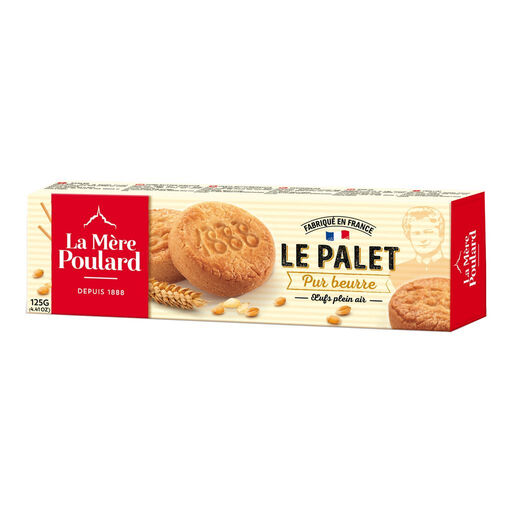 Image unavailable
La Mère Poulard Les Palets, 125 g box
These 125 g palets are a good choice if you’re in the mood for a traditional biscuit.
If you want a portion smaller than the whole box, check how much you’ll eat and try it during training if you’re thinking of having it close to a race.
View on Joybuy
Frequently asked questions
Can a premium cake be your planned main source of marathon fuel?
Its premium label alone isn’t enough to make it suitable for this purpose. INSEP recommends tailoring your diet to your individual needs and sport. If you’re considering a cake, check its ingredients and portion size, and think about how it would fit into a strategy you’ve already tried during training.
When should you try a madeleine you plan to eat before a race?
Try it during training, using the portion size and timing you’re considering for race day. That way, you can see how well you tolerate it without trying the recipe for the first time on race day.
Which allergens should you check in madeleines?
Read the ingredients list and any ‘may contain’ warnings on the product you buy. The madeleines reviewed include ingredients such as wheat, milk or butter, and eggs, while some contain almonds or warn of possible traces of nuts or soya. Ingredients can differ in other recipes.
Do individually wrapped portions make a cake more suitable for a marathon?
No. Individual wrapping mainly makes it easier to carry and identify a portion. It doesn’t tell you enough about the carbohydrates, fat content or how well you’ll tolerate it. Check the label and try your chosen amount before race day.


