
Livraison le jour même ou le lendemain

Qualité garantie

Débloquez vos offres de bienvenue: Livraison GRATUITE | Jusqu'à -80 % | 30 jours d'essai gratuits à JoyPlus
Téléchargez l'application
Latex-free disposable nitrile gloves are useful for a wide range of tasks in the UK, from food preparation, cleaning, beauty treatments and hairdressing to light DIY and handling messy materials. But relying on price alone or a simple “resistant” label can lead to a few unwelcome surprises.
Here are the main pitfalls to avoid before ordering nitrile gloves, along with a selection to suit different needs.
Nitrile does not contain natural latex, so it can suit people who want to avoid latex proteins. However, “latex-free” does not mean a glove will protect you from every chemical, concentrated solvent, strong acid or sharp object.
Nitrile gloves can be perfectly suitable for everyday cleaning and small precision tasks. For handling harsh products, always check the information on the packaging and choose protective equipment designed for the specific risk.
A glove that is too loose can slip and make precise movements harder. A model that is too tight can restrict movement and is more likely to tear when you put it on. S, M and L sizes are not completely standardised between brands, so check the product’s size guide.
For detailed tasks such as cooking, hair colouring or beauty treatments, fit matters just as much as thickness. For occasional use, though, a slightly looser fit may make gloves easier to put on.
A box of 100 nitrile gloves may seem like good value, but it is not necessarily the right choice if you only use a few a month at home. On the other hand, a catering or cleaning professional may quickly run out of a box containing just 10 or 20 gloves.
Compare the number of gloves, whether they are disposable and how often you will need to replace them. Single-use gloves should not be washed, disinfected or reused if the instructions say otherwise.
Nitrile is an alternative to natural latex. It offers good flexibility for everyday tasks and suitable resistance for many household jobs. Latex-free gloves are a popular choice for people who are sensitive to latex proteins, although a reaction to other materials is still possible.
Natural latex is still used in some reusable or thicker gloves. It can offer flexibility and comfort, but people with a latex allergy should avoid it. Vinyl may suit some short-duration precision tasks, depending on the manufacturer’s recommendations.
Textured fingers or a structured palm can improve your grip on utensils, sponges and small tools, especially when your hands are wet. This feature is useful for cleaning gloves, cooking and small repairs.
However, it is no substitute for specialist protection against cuts, heat or corrosive products. For heavy-duty DIY, gardening or construction work, thick reusable gloves are often more suitable than disposable ones.
For food-safe nitrile gloves, look for an explicit statement that they are suitable for contact with food. The Spontex product below states that it has been tested by an independent laboratory and is suitable for all types of food. You should still follow the instructions, change gloves between tasks and avoid using them with sharp objects.
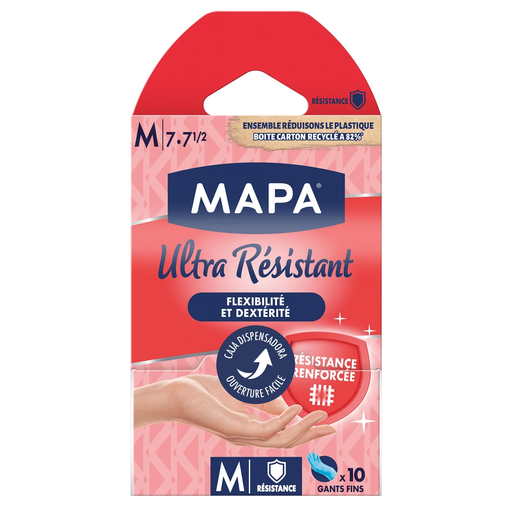
Why this suits you : This pack of 10 gloves is suitable for occasional household tasks, small repairs and precision work. Size M may fit many hands, but be sure to check the measurements provided by the manufacturer.
The nitrile material and latex-free composition are clearly stated. Textured fingers help reduce the risk of slipping during everyday tasks, without claiming to protect against harsh products.
Latex-free nitrile, textured fingers and a pack of 10 gloves in size M. For single use.
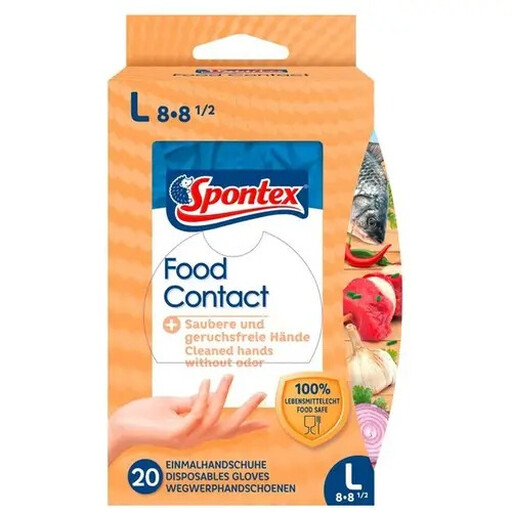
Why this suits you : This option is for anyone looking for gloves to cook in and handle food, particularly when peeling or preparing meat and fish.
The product listing specifies that the gloves are suitable for food contact and have been tested by an independent laboratory. This helps you avoid choosing gloves described as versatile without any details about their suitability for handling food.
Size L, latex-free nitrile, a pack of 20 gloves and a product listing that states they are suitable for all types of food.
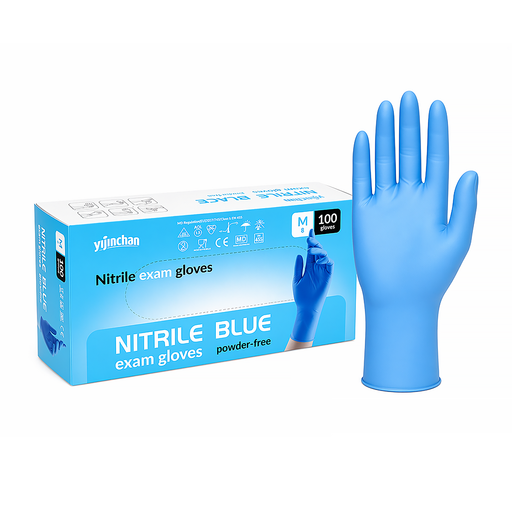
Why this suits you : A box of 100 gloves is a good fit for frequent users, such as cleaners, hairdressers, beauty therapists, gardeners and professionals who regularly handle messy materials.
The number of gloves, their disposable nature and latex-free composition are all clearly stated. Textured fingers help you maintain your grip in both dry and damp conditions, but these gloves are not a substitute for specialist protection against serious risks.
100 gloves, size L, latex-free nitrile, powder-free and textured fingertips. The product listing says they are suitable for cleaning, cooking and a range of professional activities.
For smaller hands, the MAPA Ultra-Resistant gloves are also available in size S in a pack of 10. The size L MAPA version also comes in a pack of 10 and may suit anyone looking for the same material and texture with a roomier fit. Always check the gloves for damage before use and dispose of them at the first sign of wear.
We’ve put together a comprehensive, real-time list of products that meet these strict selection criteria and comply with European safety regulations.
Nitrile gloves are not made from natural latex, so they can be an option for people who want to avoid latex proteins. However, irritation caused by nitrile or other components is still possible. If you develop redness or itching, remove the gloves and seek medical advice if needed.
This depends on the task, how wet or dirty the glove gets and its condition. Replace it if it is punctured, torn or contaminated, and between certain food-handling tasks. Gloves labelled single-use should not be washed or reused.
It can be a good choice for frequent use, as you will not need to buy more gloves as often. For occasional use, a pack of 10 or 20 may help you avoid storing gloves you do not need. Compare the number of gloves, size, material and permitted uses rather than judging by the price alone.