
Livraison le jour même ou le lendemain

Qualité garantie

Débloquez vos offres de bienvenue: Livraison GRATUITE | Jusqu'à -80 % | 30 jours d'essai gratuits à JoyPlus
Téléchargez l'application
Squeezing a lemon to make a dressing, preparing orange juice for breakfast or adding a little grapefruit to a cocktail does not necessarily justify buying an electric appliance. A manual citrus juicer takes up very little space, works without a plug and is easy to store in a French kitchen, even a small one.
However, not all models are created equal. Limited capacity, a pulp filter that is awkward to clean or a material that is poorly suited to pressure can turn a basic utensil into an accessory that gets left at the back of a cupboard. Here are the key points to consider before choosing, along with a selection suited to different uses.
A very compact manual juicer may be perfect for one lemon, but become tedious when you need to squeeze several oranges. Before placing your order, check the capacity of the juice container as well as the product’s overall dimensions.
For occasional use, a capacity of around 0.4 litre may be more than enough. If you regularly prepare several glasses of fresh juice, choose a model of 500 ml or more so you do not have to empty the container repeatedly.
Pulp is not necessarily a problem: some people like it in their juice, while others prefer a smoother texture for a recipe or cocktail. The main mistake would be buying a lemon squeezer without checking whether it has a filter or dedicated compartment.
A citrus juicer with a pulp collector makes serving easier and prevents too many pieces from ending up in the container. However, make sure that the different parts are easy to dismantle: dried pulp is considerably harder to remove.
An attractive finish or elegant design says nothing about ergonomics. Instead, look at the appliance’s stability, grip, access to the container and care instructions. A model described as hand-washable should not be put in the dishwasher unless the manufacturer explicitly says it is suitable.
For frequent use, the choice between a plastic citrus juicer and a stainless-steel citrus juicer mainly depends on the weight you prefer, the level of durability you expect and how easy it is to clean.
Measure the space available in a cupboard or on your worktop. The dimensions provided by the manufacturer generally indicate the depth, width and height, but the shape of the handle or pouring spout may also make storage more difficult.
Acrylic and lightweight plastic are easy to handle and suit anyone who regularly moves their utensil around. Nevertheless, follow the care instructions and keep the appliance away from heat sources when recommended by the manufacturer.
Stainless steel feels more robust and is well suited to those who regularly squeeze lemons or limes. In this case, the weight, lever shape and stability on the worktop become essential considerations.
A manual juicer should be quick to rinse after use. In particular, check:
A kitchen utensil that requires no electricity remains easy to maintain, provided its design avoids areas where pulp can build up.
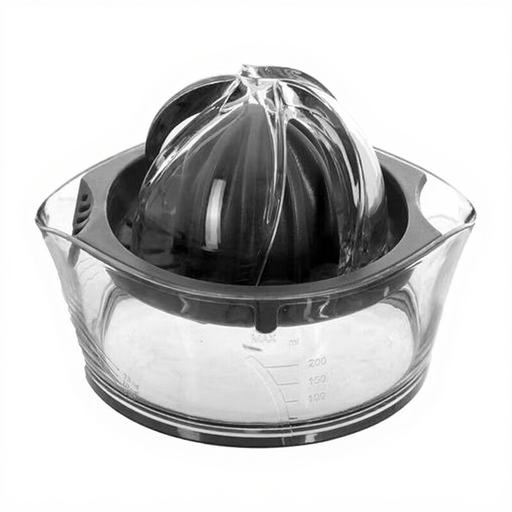
Why this choice suits this profile : With its 0.4-litre capacity and weight of 180 g, this model is ideal for beginners at home, squeezing a few lemons or limes and preparing small quantities of orange juice.
Its 2-in-1 design separates the juice container from the pulp compartment, preventing everything from being mixed directly into the glass.
Lightweight acrylic plastic, manual operation, dimensions of 25 × 10 × 15 cm and compact storage. Hand washing recommended.
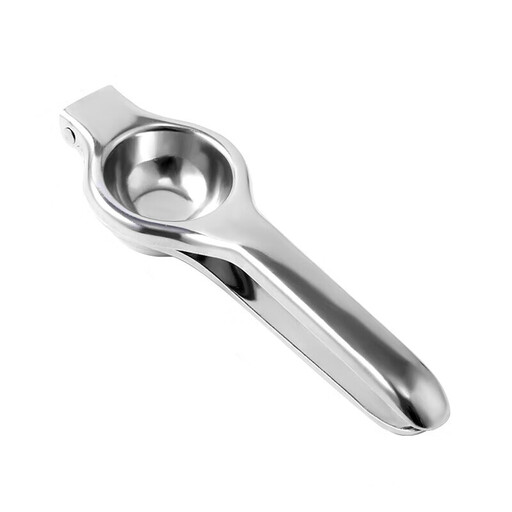
Why this choice suits this profile : This stainless-steel lemon squeezer is designed for those looking for a metal utensil for regular preparation.
Stainless steel meets the needs of shoppers who want to avoid plastic and choose a clearly identified material.
Stainless-steel construction and a format suited to manually squeezing lemons, both in the kitchen and for drinks.
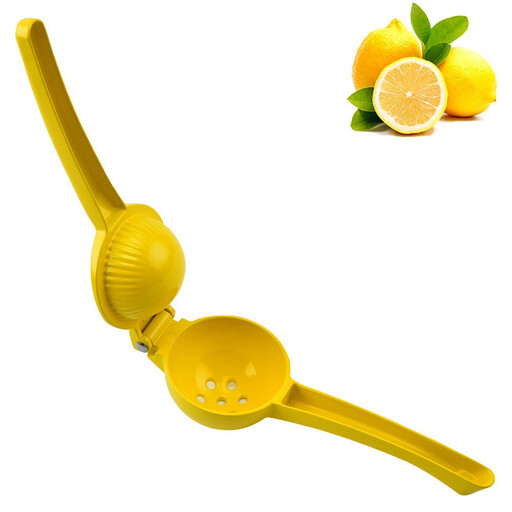
Why this choice suits this profile : Its clip design is ideal for anyone looking for a portable juicer for specific tasks, whether in the kitchen or on the go.
Its specialised format prevents a large container from taking up space on the worktop when you only need a few drops or a small quantity of juice.
Portable design and manual operation, with no cable or mains power required.
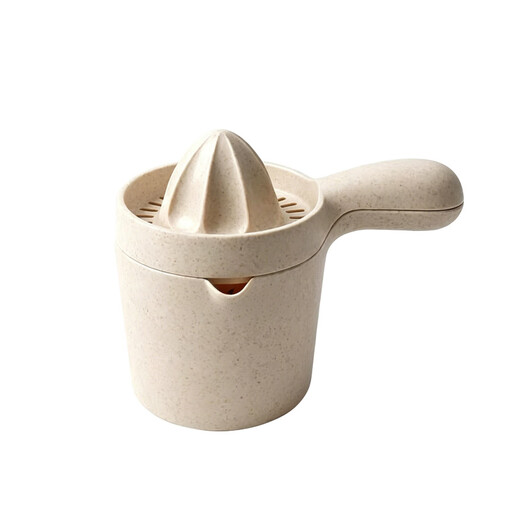
Why this choice suits this profile : Its 500 ml capacity is ideal for households that regularly prepare orange, lemon or other citrus juice in several servings.
Its 500 ml container means fewer emptying breaks than with a small orange squeezer, making it easier to prepare juice for several people.
Stated capacity of 500 ml and designed for oranges, lemons and other fruits, with no mains power required.
We have brought together a complete, real-time selection of products that meet these buying criteria, as well as European safety requirements.
Cut the citrus fruit in half, then position the cut side according to the shape of the cone or compartment. Apply steady pressure rather than a sudden movement, particularly when using a lightweight model. This will help limit splashes while giving you better control over the pulp.
Empty the container and rinse the different parts after every use. For models that are not dishwasher-safe, use warm water, mild detergent and a non-abrasive sponge. Dry the parts thoroughly before storing them. Check plastic models regularly for any cracks. With metal versions, also inspect the joints and areas exposed to pressure.
Yes, provided that the utensil’s size and opening are suitable for the fruit. Models with a container are generally more practical for oranges and grapefruits, while a clip-style lemon squeezer is better suited to lemons and limes.
Rinse the citrus juicer after every use, remove any pulp caught in the filter and dry the parts. Follow the manufacturer’s recommendations regarding dishwashers, abrasive products and exposure to heat. If a part is cracked or distorted, it is best to stop using it.
It does not use electricity. Its running costs are therefore essentially limited to the fruit and, depending on the model, the possible replacement of a damaged part. Before buying, check the dimensions, material and included accessories to choose a utensil that is genuinely suited to your habits.