
Livraison le jour même ou le lendemain

Qualité garantie

Débloquez vos offres de bienvenue: Livraison GRATUITE | Jusqu'à -80 % | 30 jours d'essai gratuits à JoyPlus
Téléchargez l'application
Mango products come in a huge variety of formats in France: dried mango, juice, nectar, tinned fruit, purée, Asian desserts and bubble tea pearls. Plenty of ways to enjoy them, but it can also make choosing a bit tricky.
Some products rely heavily on their exotic flavour without clearly stating the proportion of mango, the amount of sugar or the storage conditions. Before you place an order, three common pitfalls are worth watching out for:
The ingredients list is your first port of call. Ingredients are usually listed in descending order of quantity. If you're after a strong fruit flavour, look for mango purée, pieces or juice, and check the percentage if it's stated.
For example, the Maaza Mango Drink 500 ml contains 17% mango purée, while the Don Simon nectar has 35%. The Royal Orient Mango Pulp Kesar 850 g, on the other hand, states 95% mango pulp, with sugar and citric acid. These products are in completely different categories: the first is a ready-to-drink beverage, while the second is more of a concentrated base for desserts or other preparations.
The terms “mango juice” and “mango nectar” don't necessarily mean the same thing. It's always better to check the label, the net quantity and the nutritional table rather than relying solely on the product's appearance or name.
Compare the values per 100 g or 100 ml, rather than just looking at the per-portion data. Dried mango is easy to carry around, but its sugars are much more concentrated than those of fresh fruit. The Be&Cheery Dried Mango 120 g has 72.6 g of sugar per 100 g, while the Maaza juice has 10.8 g per 100 ml.
Mango sweets, mango jelly and some boba products contain gelling agents, acidity regulators, flavourings or colourings. The O'S BUBBLE Popping Boba Mango 450 g lists colourings E102, E110 and E129, along with a warning about children's activity and attention. In several dried mango products, sulphites are also something to watch out for.
If you have an allergy or intolerance, check the “contains” and “may contain” statements carefully. The COCON Mango Pudding with Nata de Coco 480 g contains milk. The packaging of the product sold in France should always be your first point of reference before consuming.
The right packaging depends entirely on how you plan to use it:
The TCT frozen mango, which is 100% mango, must be stored at −18 °C or below and should not be refrozen after thawing. In contrast, the COCON pudding needs to be kept in the fridge and consumed quickly after opening. Skimming the instructions too quickly can lead to waste, especially with larger packs.
The products below are designed for very different uses. Remember to compare the price per weight or volume, any delivery charges and the best-before date on the packaging.
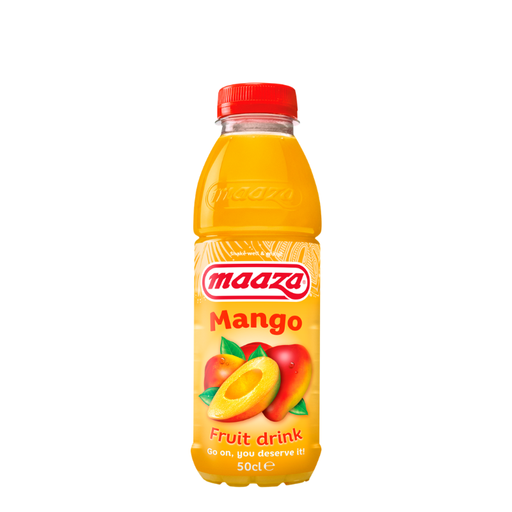
Why this choice suits this profile: At 500 ml, this drink lets you try mango without committing to a large pack. Enjoy it chilled, during a break or with a meal.
The listing states 17% mango purée and details the sugar content at 10.8 g per 100 ml. A solid basis for comparing this drink with other options.
500 ml bottle, no declared allergens, keep refrigerated after opening and consume within three days.
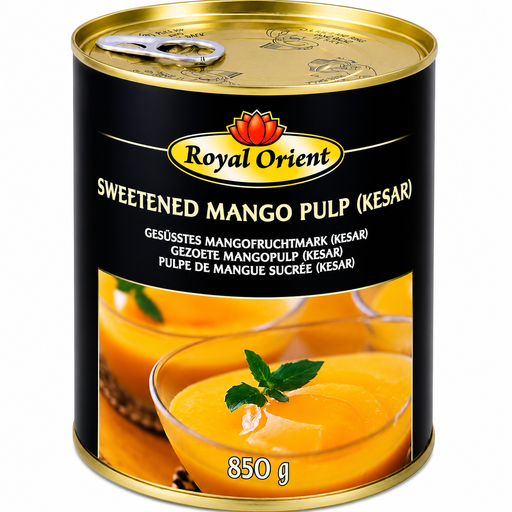
Why this choice suits this profile: This pulp is designed for recipes where mango really needs to shine: lassis, Indian desserts, coulis, smoothies or sweet sauces.
The listing states a composition of 95% mango pulp. No need to guess the concentration based on the aroma or the picture of the fruit.
850 g pack, no declared allergens, with just three ingredients listed.
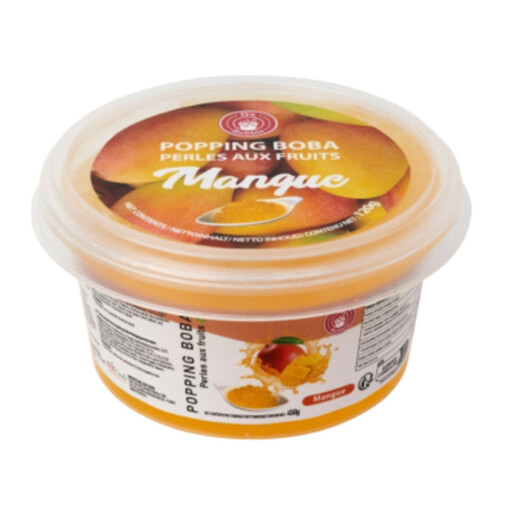
Why this choice suits this profile: At 450 g, this pack is ideal for making bubble teas, desserts, yoghurts or ice creams on a regular basis, whether at home or in a professional setting.
These are boba pearls to add, not a ready-to-drink beverage. The listing also specifies the storage conditions: cool and dry.
450 g format, no declared allergens, with a liquid centre and a texture designed for drinks and desserts.
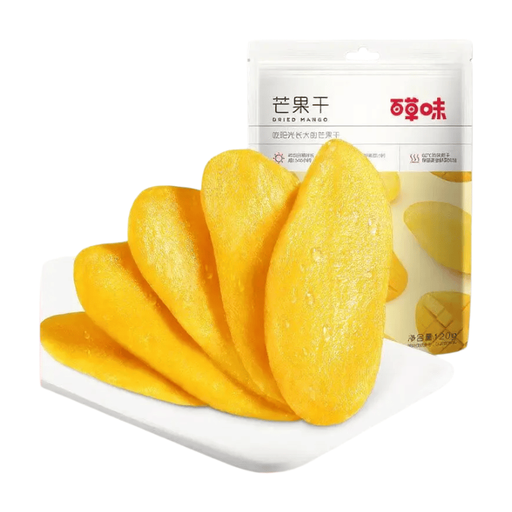
Why this choice suits this profile: Ready to eat, this dried mango slips easily into a bag, lunchbox or a mix of dried fruit.
The ingredients list includes mango, sugar, citric acid and potassium sorbate. With 72.6 g of sugar per 100 g, this snack is best enjoyed in moderation.
120 g pouch, soft texture, no declared allergens, keep sealed in a dry place away from sunlight.
We've put together a comprehensive, real-time selection of products that meet these exacting criteria as well as European safety regulations.
The product name alone isn't enough to tell you what's inside. A nectar usually contains fruit purée or juice, with water and sugar possibly added. Check the percentage of mango and the amount of sugar per 100 ml. A mango drink may have a different proportion, even if its flavourings give it a very strong fruit taste.
Start by following the manufacturer's recommendations. As a general rule, reseal the pouch carefully and store it in a cool, dry place away from light. If the product becomes particularly sticky, gives off an unusual smell or looks different, it's best not to eat it.
For a homemade version, combine a tea or drink base with mango nectar or purée, then add a texture element such as mango boba, jelly or fruit pieces. Check the storage conditions for each ingredient after opening and adjust the quantities to the number of glasses you're making.