
Livraison le jour même ou le lendemain

Qualité garantie

Débloquez vos offres de bienvenue: Livraison GRATUITE | Jusqu'à -80 % | 30 jours d'essai gratuits à JoyPlus
Téléchargez l'application
Looking for an alternative to classic sodas?? Curious about exotic flavours and an unconventional texture?? The mango aloe vera drink has established itself as a go-to choice for a refreshing and original break. With its soft, melt-in-your-mouth pulp pieces or chewy nata de coco cubes, it offers a truly unique mouthfeel.
But with a booming selection on the shelves, it can be hard to know which to choose. Our mission?? To help you navigate the options. This guide breaks down the market for you and gives you the keys to selecting the perfect drink, without the marketing fluff.
Before we get to our top picks, here are the key criteria to help you make the right choice.
This is often what makes all the difference?: the texture. It's up to you to decide what you prefer?:
Not all drinks are created equal. A quick look at the label is a must. The mango juice content (often from concentrate) is a good indicator of flavour intensity. Some brands, like OKF aloe vera, highlight the origin of their ingredients (e.g., organic aloe vera gel powder). The list will also tell you about the type of sugar used (cane sugar, fructose, sweeteners, etc.).
These drinks come in several sizes. The 320?ml or 500?ml bottles are perfect for a solo break, whether at the office or at home. For true fans or when you're extra thirsty, multi-packs are often more cost-effective.
Here are the products that caught our eye, each with its own unique strengths.
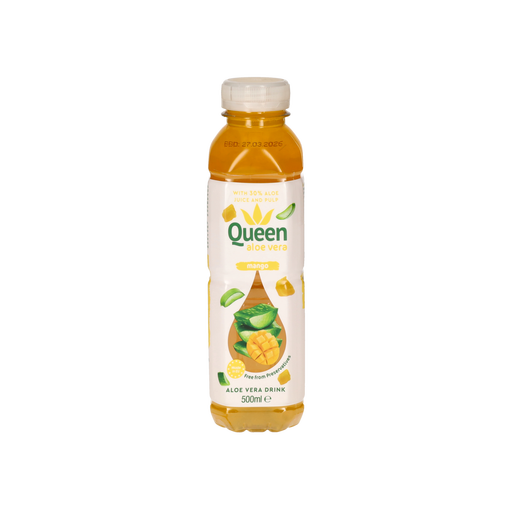
What makes it stand out?: An effective classic. This non-carbonated drink blends the sweetness of mango with the distinctive texture of aloe vera pulp. The result?? An authentic drink with real pieces and a perfect balance between the fruit and a well-judged hint of sugar.
What we like?:
Who is it for?? For those who want to experience the classic version of a refreshing mango drink, with generous pulp and a perfectly balanced fruity taste.
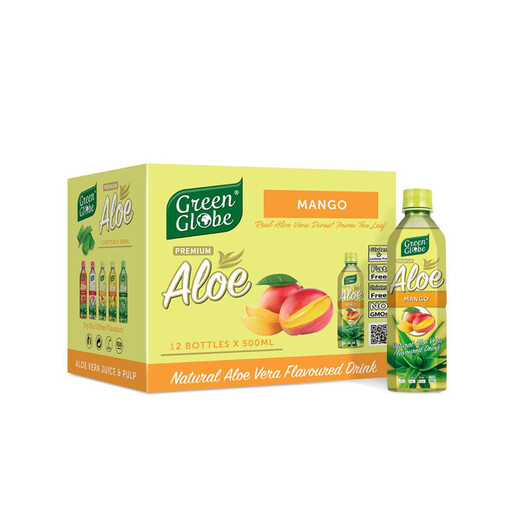
What makes it stand out?: OKF is a benchmark in the industry. This mango version goes all-in on aloe vera?: organic gel powder (18?%), real pieces (9?%), and juice (3?%). It's all sweetened with fructose and honey, giving it a truly distinct taste.
What we like?:
Who is it for?? For fans of the OKF aloe vera brand and anyone who wants the aloe vera to be front and centre, in both taste and texture.
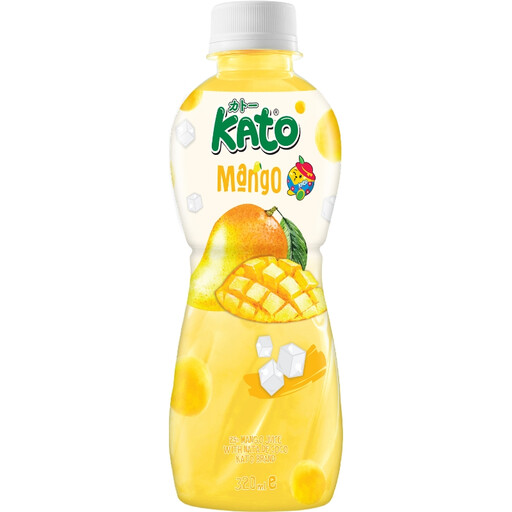
What makes it stand out?: This one has no aloe pulp, but nata de coco instead?! These small, chewy coconut jelly cubes are a game-changer. With 25?% mango juice, the fruit flavour is prominent. A fun, alternative take on the mango aloe juice, and a 100?% exotic drink.
What we like?:
Who is it for?? For the adventurous who enjoy new sensations and "chewable" drinks. It's an ideal way to try nata de coco with a classic, reliable flavour?: mango.
Mango is excellent, but the world of fruit drinks doesn't stop there. If the combination of mango with the zesty touch of orange intrigues you, take a look at our other selections.
? Discover our selection of orange mango drinks
1. What's the difference between aloe vera pulp and nata de coco?? Aloe vera pulp is the soft, melt-in-your-mouth gel extracted from the plant. Nata de coco, made from fermented coconut water, comes in firmer, more elastic cubes that offer a substantial, chewy texture.
2. How should I store an aloe vera drink after opening it?? Once opened, keep the bottle tightly sealed in the refrigerator. It is best to consume it within 48 hours to enjoy its full freshness.
3. Are these drinks very sweet?? The sugar content varies significantly from one brand to another. Cane sugar, fructose, honey, sweeteners... the best approach is to check the nutritional information on the label. There you will find the carbohydrate content (including sugars), which will allow you to compare and make an informed choice.