
Livraison le jour même ou le lendemain

Qualité garantie

Débloquez vos offres de bienvenue: Livraison GRATUITE | Jusqu'à -80 % | 30 jours d'essai gratuits à JoyPlus
Téléchargez l'application
Buying a malt whisky seems straightforward… until you start comparing its origin, its ageing, its alcohol strength and the details on the label. A 70 cl Scottish single malt, a peated blended malt and a non-alcoholic malt drink clearly belong to different categories, whether in terms of taste, use or budget.
To avoid any unpleasant surprises, here are the criteria to check before placing your order, along with a selection of products available on Joybuy.
A single malt whisky is produced at a single distillery using malted barley. However, it may combine several casks and several ages. A blended malt whisky, on the other hand, blends single malts from several distilleries, without adding any grain whisky.
Blended Scotch follows a different logic: it typically combines malt whiskies and grain whiskies. Its profile can be more approachable, but it should not be presented as a single malt.
The case of Nikka Coffey Malt also deserves a close look. Despite its commercial name, its production in Coffey stills and its classification are presented as those of a grain whisky. So before relying solely on the name, it's best to check the label and the product description.
The age stated on the bottle corresponds to the youngest whisky in the blend. So it doesn't tell the whole story. The type of cask often plays a major role in the final result:
A whisky aged in a sherry cask therefore doesn't automatically suit your taste better than one aged in a bourbon cask. The key is to match the cask type with the tasting notes provided.
Most bottles of Scotch whisky 70 cl are bottled at 40% ABV. However, some references, such as Big Peat, reach 46% ABV. This difference is felt on the palate and can alter the perception of the aromas.
Also remember to check the net volume, whether a gift box is included, and the storage conditions. A bottle of alcohol should be stored upright, away from light and extreme temperature fluctuations. Alcohol consumption is for adults only, is not recommended during pregnancy, and should be enjoyed in moderation.
Scottish whisky offers an especially wide range. The Highlands and Speyside often produce fruity, malty or vanilla profiles, while some Islay whiskies lean heavily on peat and smoke.
Japanese whisky often prioritises aromatic precision, with notes of citrus, pear or vanilla. Taiwanese whisky, such as Kavalan, benefits from a different maturation climate and can develop accents of caramel and vanilla. These indications can guide your choice, but they don't replace checking the technical data sheet.
A clearly stated age, such as 12 years, makes it easier to compare bottles. Dalmore 12 Years, for example, combines maturation in bourbon casks with a partial finish in Oloroso casks. Jura Sherry Cask 12 Years places greater emphasis on the influence of sherry, with notes of plum, nut and dried citrus.
Terms like "double cask" or "sherry cask" should be read carefully. They describe a maturation or finishing method, but they don't guarantee a comparable aromatic intensity from one brand to another.
For neat drinking, choose an aromatic profile that appeals to you and a clearly stated alcohol strength. For making cocktails, a smooth, approachable whisky will generally be easier to use. And for an alcohol-free evening, a non-alcoholic malt drink like Vitamalt or Maltina is suited to a completely different occasion.
Vitamalt Classic is available in a 330 ml bottle, a pack of 6, or a carton of 24 bottles. Its ingredients include water, sugar, barley malt, hops and carbon dioxide. The label states 67 kcal and 14 g of sugar per 100 ml. Maltina 330 ml contains malted sorghum, malted barley and vitamins. These drinks contain barley and therefore gluten.
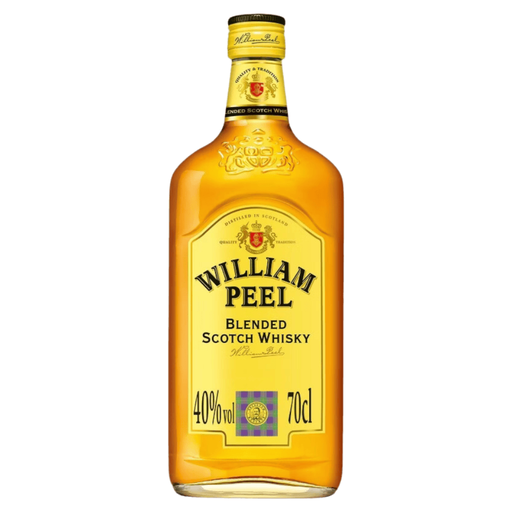
Why this product suits them: Its malty, fruity profile makes it a versatile first bottle, enjoyable neat, on the rocks or in a cocktail.
The product page clearly states the blended Scotch category, the 40% ABV and the 70 cl format, without passing it off as a single malt.
A blend of malt and grain whiskies; malty and fruity notes as described.
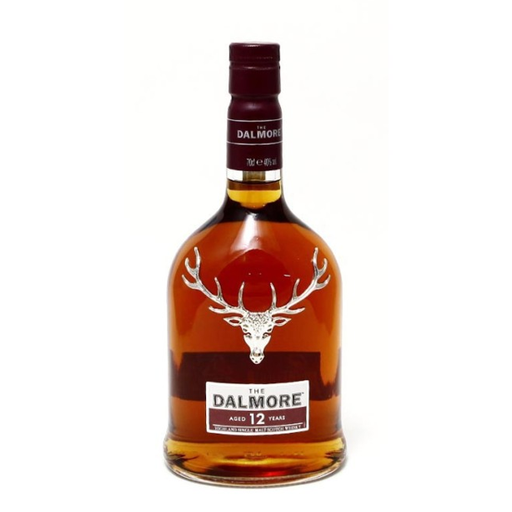
Why this product suits them: This 70 cl Scottish bottle is aimed at fans of 12-year-old single malt with notes of orange and nut.
The age, Highlands origin, 40% ABV and cask types are all clearly stated.
Matured in bourbon and Oloroso casks; notes of orange, ripe fruit and nut as described.
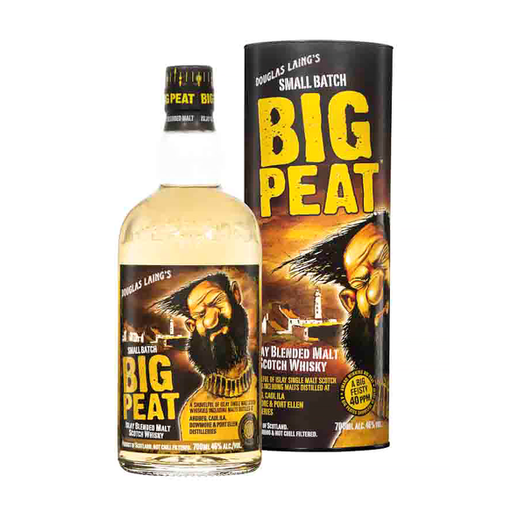
Why this product suits them: Its blend of Islay single malts and 46% ABV is designed for palates that enjoy smoky, peaty aromas.
The blended malt category is clearly displayed: this is not a single malt from a single distillery.
Islay origin; notes of liquorice, ash and clove as described; 46% ABV.
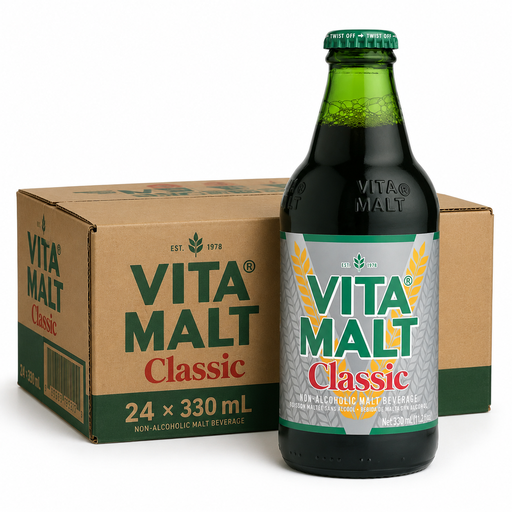
Why this product suits them: This carton is ideal for households, events and anyone looking for a refreshing, non-alcoholic malt drink.
The product page clearly states it is a non-alcoholic drink, with its total volume, ingredients and nutritional values.
24 glass bottles of 330 ml; 67 kcal and 14 g of sugar per 100 ml according to the product page.
We've put together an updated selection of products suited to different flavour profiles, formats and uses.
For a softer, fruitier profile, Tamnavulin Double Cask combines notes of apple, honey, caramel and almond. Its Sherry Cask expression places greater emphasis on banana, orange and toffee.
Fans of sherry cask-aged whisky can also turn to Jura Sherry Cask 12 Years. For a more pronounced bourbon influence, Jura Bourbon Cask offers notes of vanilla, apricot and creamy toffee.
On the Japanese whisky side, Kavalan Distillery Select No. 1 is bottled at 40% ABV with a profile dominated by caramel and vanilla. Nikka Coffey Grain, made primarily from maize, offers notes of honey, pear and spice. For a blended malt to use in cocktails, Monkey Shoulder blends three single malts from Speyside. Clan Campbell, Grant's and Ballantine's Finest are other blended Scotch options in 70 cl, with more versatile profiles.
Single malt comes from a single distillery and is made from malted barley. Blended malt combines several single malts from different distilleries. The choice therefore depends on the style you're looking for, not on any automatic hierarchy between these two categories.
A blended Scotch at 40% ABV, with fruity or vanilla notes, often makes an accessible first choice. A Speyside single malt, such as Tamnavulin, allows you to discover the style of that region more clearly. If you're sensitive to smoke, check for the presence of peat before ordering.
No. Vitamalt and Maltina are non-alcoholic malt drinks, usually carbonated and sweetened, which contain barley malt or malted sorghum among other ingredients. They are not distilled and therefore have neither the same use nor the same profile as a malt whisky.