
Same-day & Next-day Delivery

Quality Guaranteed

Unlock Your Welcome Offers: FREE Delivery | Up to 80% OFF | Free 30-day JoyPlus trial
Download the APP
Makeup remover cotton pads might seem simple to pick. Yet a few small details can really change your daily experience. A pad that tears, sheds fluff or soaks up too much lotion quickly adds to your costs and can cause unnecessary friction on your face.
Before you fill your basket, keep three pitfalls in mind:
For use on your face, start by checking the composition listed on the packaging. 100% natural cotton or unbleached cotton fibres can suit those who want to avoid blended materials. That doesn’t guarantee compatibility with all skin types, though: tolerance also depends on the pressure you apply, the product you use and how often you use them.
Organic cotton pads can be worth considering if you’re looking for a clearly identified certification. Love & Green squares, for example, are presented as being made from GOTS-certified organic cotton by ECOCERT and manufactured in France. A certification helps you tell the difference between a documented feature and a simple marketing promise.
If your skin reacts easily, also check the information about dyes, chlorine, fragrances and any added treatments. A makeup remover pad for sensitive skin should ideally be used dampened, with gentle movements. At the first sign of discomfort or irritation, stop using it.
Makeup remover cotton pads come in different formats: round, oval, cut-out or with two sides. A textured surface can help remove long-wear products, while a smooth side is better suited to the last traces of makeup or applying a lotion.
Stitched edges or a sufficiently compact structure reduce the risk of the pad separating during use. If you’re looking for lint-free makeup remover pads, check the manufacturer’s information on fibre retention. However, this claim remains a stated product feature, not an absolute guarantee for every user.
A pack of 40 pads can be handy in a travel bag, while a format of 105 or 180 pieces will suit a daily routine better. Estimate your usage: removing eye makeup, cleansing your face, applying lotion and touch-ups can require several pads a day.
Storage also deserves a little attention. A transparent, lidded cotton pad storage box protects them from dust while keeping them within easy reach in the bathroom. JORDAN&JUDY acrylic boxes offer several compartments for pads and dental floss. They don’t replace protective packaging for long-term storage, but they make organising your countertop easier.
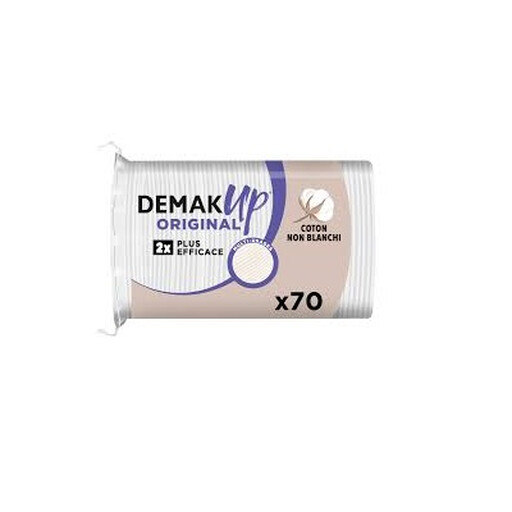
Why this choice suits this profile: With its 70 oval pads, this pack lets you start a makeup removal routine with an easy-to-handle format, suitable for both your face and eyes.
The two textures stop you from needing multiple pads: the ridged side helps remove makeup, while the smooth side removes the last traces.
Unbleached natural cotton fibres, an oval format and a dual texture as stated by the manufacturer.
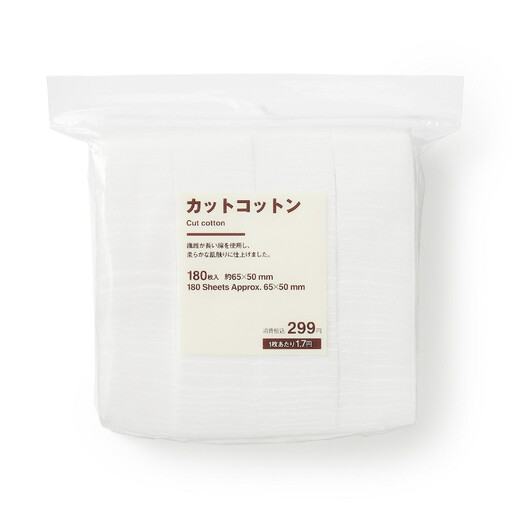
Why this choice suits this profile: Users who value a consistent texture and a comfortable stock will appreciate this 180-piece format.
The long fibres and the stated size of approximately 65 × 50 mm reduce the risk of ending up with a pad that’s too small or uneven.
100% cotton, stated manufacture in Japan and versatile use for lotion, gentle cleansing and makeup removal.
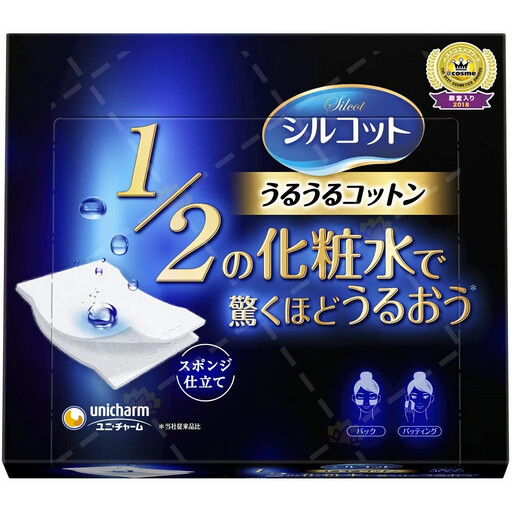
Why this choice suits this profile: This format is aimed at those who regularly apply lotion or want to avoid too much product being absorbed by the pad.
Its texture, described as spongy and low-lint, addresses the problems of visible fibres and excessive absorption.
Stated 100% cotton, manufacture in Japan and use suitable for both applying lotion and removing makeup.
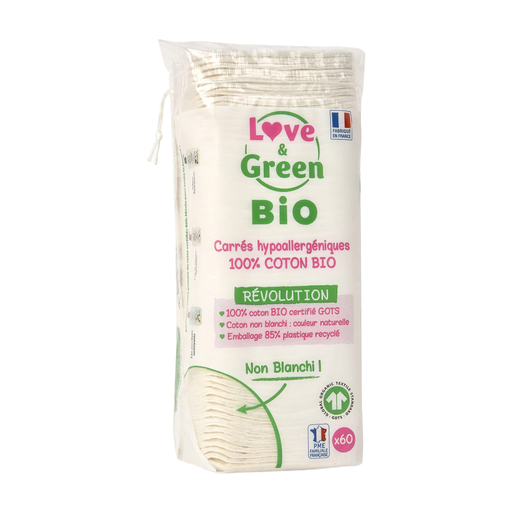
Why this choice suits this profile: Parents can appreciate this versatile format, usable for the face, body and daily care for the whole family.
The stated composition specifies no chlorine, dye or plastic. The two sides also let you adapt your technique depending on the use.
GOTS-certified organic cotton by ECOCERT, unbleached, with 60 squares made in France and stated to be hypoallergenic.
We’ve put together a comprehensive, real-time updated selection of products that meet these exacting criteria and European safety regulations.
To remove your makeup, lightly dampen the pad with your cleansing product. Hold it on your eyelids for a few seconds, then glide it off without rubbing. Use a fresh side, or even a new pad, for the rest of your face.
A few precautions are worth noting:
There’s no universal amount. It all depends on your makeup, the remover you use and the texture of the pad. To minimise friction, it’s better to apply enough product and change your pad as soon as it’s saturated rather than persisting with an already dirty one.
Some products are specifically presented by their manufacturer as suitable for delicate areas, but tolerance varies from person to person. Check the composition and usage instructions, avoid direct contact with the eye and rinse thoroughly if contact occurs. If irritation persists, seek advice from a healthcare professional.
Compare the number of pieces, the size of the pads and their actual absorption. A large pack can reduce the cost per use, while a pad that holds less lotion limits waste. Reusable options can also be worthwhile if you don’t mind the upkeep. In any case, choose a texture that stays in place and store it away from moisture.