
Livraison le jour même ou le lendemain

Qualité garantie

Débloquez vos offres de bienvenue: Livraison GRATUITE | Jusqu'à -80 % | 30 jours d'essai gratuits à JoyPlus
Téléchargez l'application
A makeup primer can make foundation easier to apply, visibly blur pores or provide extra comfort for dry skin. However, the wrong choice can also cause pilling, highlight dry patches or make makeup migrate across the T-zone.
Before buying a face primer, three mistakes are particularly common:
The right product therefore depends on your skin type, the area concerned and the result you want: a luminous, matte, smoothing, hydrating or colour-correcting finish.
If your skin is dry or prone to tightness, choose a hydrating makeup primer containing ingredients such as glycerin, hyaluronic acid or squalane. A gel texture or lightweight cream can ease discomfort and make foundation easier to apply.
Combination to oily skin can benefit from a mattifying primer or a pore-blurring primer, applied mainly to the forehead, nose and chin. Formulas containing absorbent powders, such as silica, often provide a softer, velvety finish. There is no need to apply them all over your face if only certain areas become shiny.
Wear claims such as “8 hours” or “12 hours” reflect information provided for certain products under specific conditions. Results may vary depending on perspiration, the weather, skincare applied underneath and the foundation used.
Allow your moisturiser or sunscreen to sink in before applying primer. Then pat on a thin layer without rubbing too vigorously. If the product pills, there may be several possible explanations: incompatible textures layered together, too much product or not enough time between applications.
For long-lasting makeup, it is often more effective to combine several products, each applied to the appropriate area: a hydrating primer on the cheeks, a smoothing primer over pores and a mattifying primer on the T-zone.
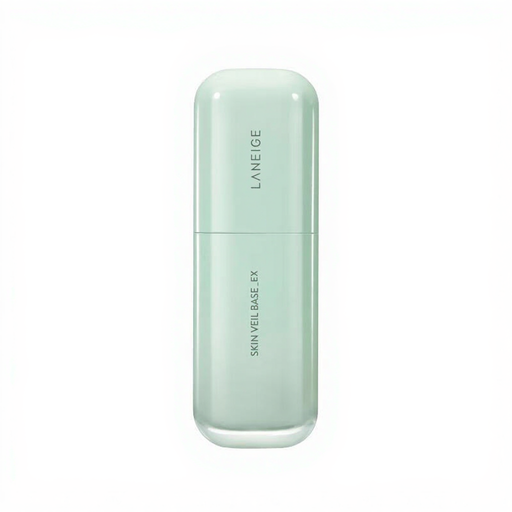
Why it suits this profile : This primer combines colour correction, stated hydration benefits and SPF28 PA++, helping to simplify your everyday routine before foundation.
The mint-green shade is designed to visually correct redness, so you do not need to layer multiple colour-correcting products.
30ml format, colour-correcting pigments and SPF28 PA++ protection stated on the product listing.
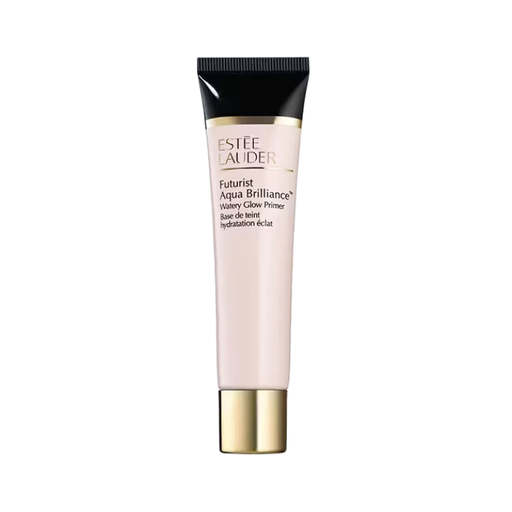
Why it suits this profile : Its fresh texture and luminous finish will appeal to anyone looking to add a skincare element to their complexion-prep routine.
Its lightweight formula can be used alone or under foundation, so you are not buying a product limited to just one use.
40ml capacity, glycerin, two forms of hyaluronic acid mentioned in the description and a luminous finish.
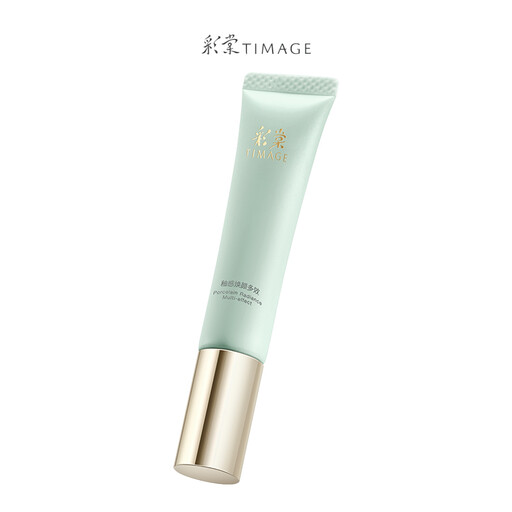
Why it suits this profile : This product is aimed at combination to oily skin and anyone who wants to keep the T-zone under control throughout long days.
Targeted application helps prevent the cheeks from becoming dry while controlling shine in the areas concerned.
The product listing states that it provides a velvet-matte finish and is intended for targeted application to the forehead, nose and chin.
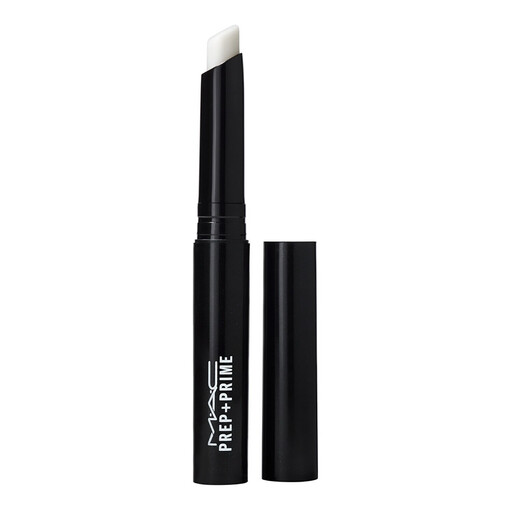
Why it suits this profile : This lip primer is designed for people who wear lipstick and want a smoother surface before applying colour.
Its format and application area are clearly defined : it does not replace a face primer, helping to prevent unsuitable uses.
Colourless texture, stated hydrating ingredients and application in a thin layer before lipstick.
We have put together a complete, real-time updated list of products that fully meet these strict selection criteria and European safety regulations.
If you use a primer with SPF, follow the manufacturer’s application instructions. The level of protection depends in particular on the amount applied and how often it needs to be reapplied.
A mattifying primer or pore-blurring primer may be suitable, particularly for the T-zone. Apply it locally to maintain comfort in normal or dry areas.
Yes. A hydrating makeup primer should be applied after skincare and before makeup. To help prevent pilling, use a moderate amount and allow each layer to set.
This depends on the date shown on the packaging and the period after opening. Close the product carefully, protect it from heat and light, and stop using it if its smell, colour or texture changes. In the event of irritation, rinse the area and discontinue use.