
Livraison le jour même ou le lendemain

Qualité garantie

Débloquez vos offres de bienvenue: Livraison GRATUITE | Jusqu'à -80 % | 30 jours d'essai gratuits à JoyPlus
Téléchargez l'application
A brush that sheds bristles, soaks up too much product, or becomes a pain to clean can quickly lead to uneven makeup. Yet makeup brushes are often sold with promises that are hard to compare: "professional" finish, "ultra-performance" fibres, or "universal" shape.
Before you place an order, three common pitfalls keep cropping up:
A smart selection therefore depends on the material, shape, density, and ease of cleaning – far more than on the sheer number of pieces.
Synthetic makeup brushes generally work well with liquid, cream and powder products. Their smooth surface makes cleaning easier and lets you choose a tool without animal fibres. However, the word "synthetic" alone doesn't guarantee an even result: you also need to check the density and firmness stated.
For the complexion, a flat foundation brush lets you deposit the product with sweeping motions. A dense, rounded head – like that of a kabuki brush – is better suited to circular movements or tapping. For powder, go for a wider head to spread the product without concentrating it on one area.
Each shape serves a specific purpose:
A versatile model is handy for beginners, but it doesn't always replace a specialised brush for small areas.
A good tool should be cleanable regularly without turning it into a full ritual. After washing, rinse the fibres, gently squeeze out the excess water, then leave the brush to dry flat or with the head tilted downwards. Avoid soaking the handle and ferrule for long periods.
For travel, a retractable makeup brush with a lid protects the fibres from the rest of your kit. An electric brush cleaner can speed up washing and drying, but always check its compatibility with the brush size and follow the manufacturer's instructions.
Cosmetic products and accessories should be used in accordance with the warnings provided. The product sheets specify that these items are for external use only, that contact with the eyes should be avoided, and that use should be stopped if irritation occurs. When the sheet mentions a responsible person within the European Union, this information is also worth checking before purchase.
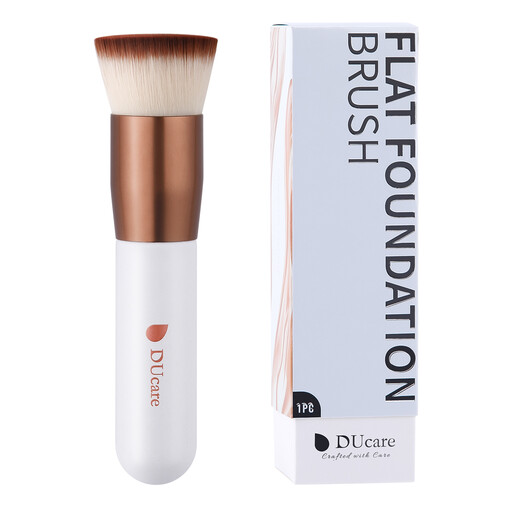
Why this choice suits this profile: its flat, dense head lets you work liquid, cream or powder foundation with a single tool. That means you can avoid buying multiple items to build your first kit.
The synthetic fibres and dense construction reduce the risk of uneven application or excessive product absorption.
Synthetic fibres, flat kabuki-style head, wooden handle and aluminium ferrule.
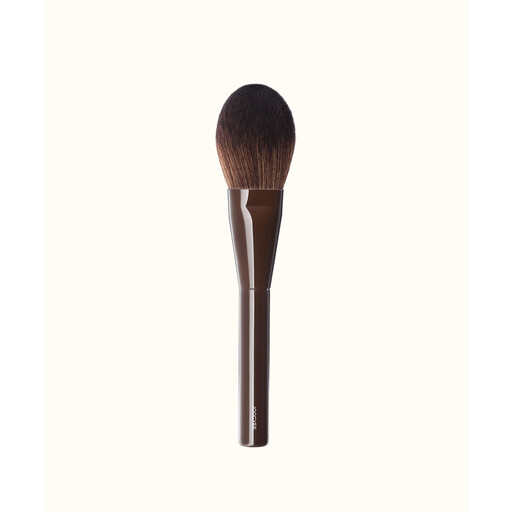
Why this choice suits this profile: its wide head fits easily into a complete complexion routine, for those who want an even distribution of powders.
Its shape, clearly designed for powder, stops you from using a brush that's too narrow and would deposit the product in patches.
Soft, dense synthetic fibres, a format suited to powder, contour, blush and different complexion steps.
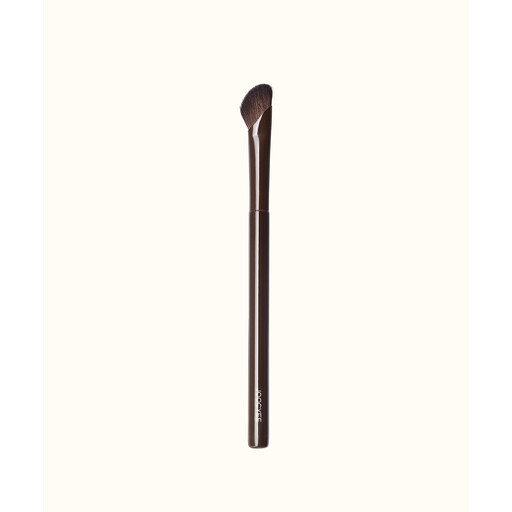
Why this choice suits this profile: its narrow shape is dedicated to nose contouring and suits routines that demand precise movements on a small area.
Its head, designed to follow the curves of the nose, stops you from having to use a powder brush that's too wide for this area.
Synthetic fibres, compact shape, targeted use for contouring and cleaning without prolonged soaking.
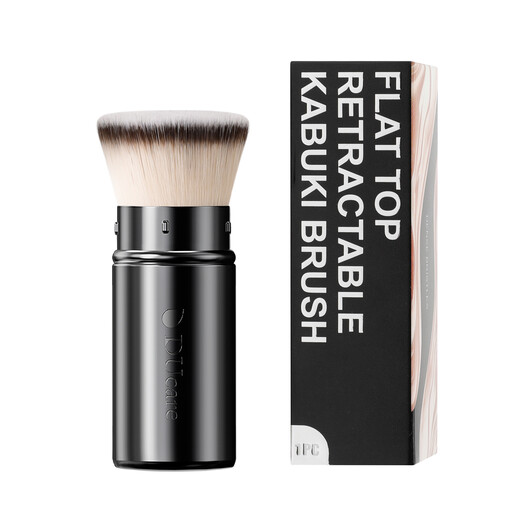
Why this choice suits this profile: its telescopic mechanism and lid protect the fibres inside a makeup bag, while its flat head remains suited to foundation.
The lid limits contact with other items and stops you from slipping an open brush into your bag.
Retractable design, aluminium tube, soft synthetic fibres and suitability for liquid, cream or powder textures.
Deposit a small amount of product, then tap the brush to remove the excess before applying. For foundation, circular motions or tapping let you build coverage gradually. For blush, start with a little product and work upwards towards the cheekbone. With a precision eyeliner brush, go for several short strokes rather than one long line.
A brush's lifespan depends on how often you use it, how you wash it, and where you store it. Replace it when the fibres stay misshapen, the ferrule loosens, or cleaning no longer removes residue. A painted handle can be wiped gently, without alcohol or prolonged soaking, if the product sheet recommends it.
We've put together a complete, real-time updated list of products that fully meet these strict selection criteria and European safety regulations.
Three models are already enough for a daily routine: a brush for foundation or a kabuki, a powder brush, and a blush brush. You can then add a nose contouring brush or a precision eyeliner brush depending on your habits.
Dampen the fibres, apply a gentle cleanser, massage without pulling on the bristles, then rinse thoroughly. Squeeze out gently and leave to dry completely before storing the brush. A makeup brush cleaner can make this step easier, but it doesn't replace proper drying.
It's a practical option if protecting the fibres and saving space are your priorities. Check that the mechanism slides smoothly and that the lid closes properly. For everyday use at home, a classic model can be simpler to wash and store.