
Livraison le jour même ou le lendemain

Qualité garantie

Débloquez vos offres de bienvenue: Livraison GRATUITE | Jusqu'à -80 % | 30 jours d'essai gratuits à JoyPlus
Téléchargez l'application
Persistent fatigue, busy days, regular exercise, or difficulty swallowing tablets: a magnesium supplement can address a wide range of needs. The challenge, however, lies in comparing products, as labels aren't always as clear as they could be.
Before you place an order, three common mistakes keep cropping up:
The figure you need to compare is the amount of elemental magnesium per daily dose, not the total weight of the mineral salt. As a guide, the European reference nutrient intake for an adult is 375 mg per day. This includes magnesium from both food and supplements.
Depending on the formula, a product might provide 150, 222, 300, or 360 mg per day. Also check what the stated dose refers to: one capsule, two gummies, or three capsules. This detail directly affects the daily cost and how easy it is to use.
Magnesium citrate is popular for its solubility and convenient format. At higher doses, however, some people may find it less gentle on the stomach. Magnesium bisglycinate, which is bound to an amino acid, is often favoured by those who are mindful of digestive comfort. As with all supplements, individual reactions can vary.
Marine magnesium typically comes from salts extracted from seawater. In practice, this is often magnesium oxide – so the marine origin doesn't mean you can skip checking the elemental magnesium content. No single form is automatically right for everyone.
To choose a vegan magnesium supplement, check the capsule composition and whether it contains gelatine, lactose, gluten, or additives. If you're looking for magnesium combined with vitamin B6, also check the amount of each nutrient, especially if you're already taking a multivitamin.
For magnesium intended for children, the recommended age, dose per serving, and adult supervision are essential. Gummies are not sweets: they must be chewed as directed and kept out of reach of children.
Authorised health claims in the European Union state that magnesium contributes to reducing tiredness and fatigue, and to the normal functioning of the nervous system and muscles. These statements are not a substitute for medical advice and do not mean that a supplement can treat a sleep disorder, a deficiency, or a disease.

Why this choice suits this profile: With a stated dose of one capsule per day and a bottle of 240 capsules, daily tracking stays simple for several months.
The listing clearly distinguishes the 740 mg of citrate from the 222 mg of elemental magnesium per capsule.
A citrate formula, a vegetable capsule, and free from gluten and lactose according to the product listing.

Why this choice suits this profile: This formula is aimed at adults who want to compare several magnesium sources and incorporate vitamin B6 into their routine.
The listing states that a serving of three capsules provides 300 mg of elemental magnesium, rather than just listing the weight of the salts.
Bisglycinate, malate, and another magnesium source, with vegetable capsules and manufactured in France as stated.

Why this choice suits this profile: At two capsules per day, this formula is designed for adults looking for marine magnesium combined with vitamin B6.
The listing states that the 360 mg corresponds to two capsules and comes from magnesium oxide derived from marine salts.
A bottle of 180 capsules, vitamin B6, a formula stated as vegan, and free from sugar according to the information provided.
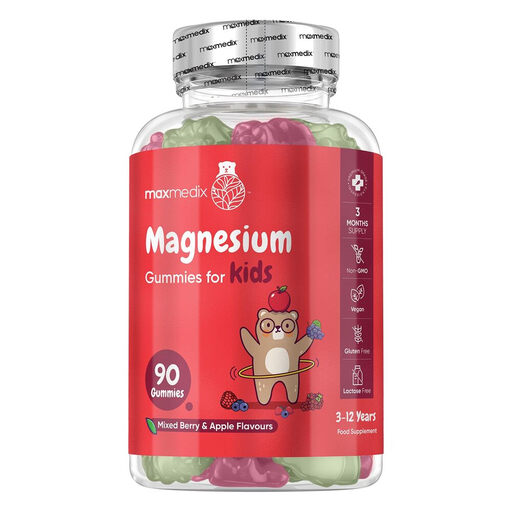
Why this choice suits this profile: This chewable format may be suitable for children from 4 years old, under adult supervision and following the stated serving size.
The listing specifies the minimum age, the serving of two gummies, and the need to chew them, which reduces the risk of dosage errors.
30 mg of magnesium per daily serving, a pectin base, and a formula stated as gelatine-free.
We've put together a comprehensive, real-time selection of products that meet these strict criteria and European safety requirements.
Always follow the recommended daily dose stated on the packaging, and take the capsules or gummies with a glass of water. Where the instructions advise, it's usually best to take them during or after a meal. If you're using magnesium for sleep, an evening dose can fit into your routine, though it doesn't guarantee an effect on falling asleep.
To work out the real cost, base it on the daily serving: divide the number of capsules or gummies by that serving to get the number of days' use. If you experience diarrhoea or digestive discomfort, stop taking the supplement and consult a healthcare professional. Pregnant or breastfeeding women, children, people on medication, and those with kidney disease should seek medical advice before use.
The duration depends on your dietary intake, the formula you choose, and your personal circumstances. Some instructions recommend use for several weeks or months. It's best to follow the guidance on the packaging and reassess whether you still need the product, rather than automatically continuing.
Citrate, bisglycinate, and marine magnesium are all different options. Focus on comparing the amount of elemental magnesium, digestive tolerance, the daily dose, and any added ingredients. Magnesium is legally recognised as contributing to the reduction of tiredness and fatigue and to normal muscle function, but it is not a treatment for the underlying cause of a medical condition.
It all depends on the number of servings and the dosage per serving. Gummies are often easier to take, but they may contain sugar or texturising agents. Capsules generally offer a more compact formula. To compare properly, look at the price per day rather than just the price of the bottle.