For hot mackerel as a main course, choose a frozen product to cook, checking its cut, the quantity you need and the preparation instructions. For a cold starter or buffet, tinned mackerel takes less preparation, but the recipe and proportion of fish matter just as much as the format.
Who are these formats for?
Hosts planning a hot fish main course
If mackerel is taking centre stage, check the product format, number of pieces, cooking instructions and whether you have room to keep it chilled until mealtime. A whole or headless frozen fish is not the same as fillets when it comes to serving.
Couples keeping an eye on portions
Whether you’re having dinner for two or entertaining guests, start with the number of portions you need. The weight of a bag of frozen fish and that of a tin don’t necessarily represent the same amount of fish to serve. For fish in sauce, check the drained weight in particular.
Hosts preparing a starter or cold buffet
Plain or seasoned tinned mackerel makes it easy to prepare toast, a salad or bite-sized snacks without cooking the fish. Choose a recipe that goes with the other dishes, and check its ingredients and allergens.
What should you look for?
First, decide whether the mackerel will be served hot or cold. Then check how much fish you’ll actually be able to serve and how much preparation is needed at dinnertime.
| What to consider |
What to check |
Who it matters to |
| Hot main course |
Fish format — fillets or pieces that need preparing — and the cooking instructions for your chosen product. |
If I want to serve hot fish on a plate, a tin isn’t a substitute for pieces that need cooking; around 43% of consumers put this main-course requirement first. |
| How much to serve |
Number of pieces, usable weight and, for tinned fish, the drained weight if it’s shown on the packaging. |
To serve each guest without choosing the wrong format, I need to know how much fish is available. Around 29% of consumers prioritise getting the right portion sizes. |
| Preparing a starter |
Whether the recipe is plain or seasoned, the stated proportion of fish and any ingredients to consider for your guests. |
When I’m preparing a cold starter or buffet, I look for a product that’s easy to put together with the rest of the menu; around 28% of consumers prioritise this ease of serving. |
Common mix-ups to avoid
-
Expecting tinned mackerel to cook like frozen fillets
Tinned mackerel is handy for a quick cold dish, but it won’t automatically give you the hot main course you had planned for dinner.
Decide how mackerel will fit into your menu before choosing between a tin and a frozen product to cook.
-
Going by the weight on the front of the pack alone
A recipe in sauce may contain a different proportion of fillets from its total weight. The Petit Navire mustard recipe listed on Joybuy states that it contains 56% mackerel fillets.
When planning portions, check the proportion of fish and the drained weight if stated, then adjust your side dishes accordingly.
-
Relying on cooking to make up for a break in the cold chain
According to Anses, histamine that may form in certain fish, including mackerel, is not destroyed by cooking or freezing.
Maintain the cold chain and follow the storage instructions on the packaging of your chosen product.
Brands and retailers to know
These products illustrate different formats. Check the exact product before planning your menu.
Picard
Picard offers frozen skin-on mackerel fillets in a 600 g bag.
- Picard’s product information lists four fillets and several ways to cook them without defrosting.
- The skin and fillet format need to suit your dish and your guests.
Petit Navire
The range considered here includes plain and seasoned tinned mackerel fillets.
- Petit Navire says its plain steamed recipe contains 99% mackerel fillets and salt.
- The mustard recipe listed on Joybuy is different: it contains 56% fillets and includes mustard among its ingredients.
Saupiquet
The tinned mackerel range at Auchan includes plain and seasoned recipes.
- The choice of recipes makes it easier to find a seasoning that works with a cold starter.
- These tins are not a substitute for frozen fillets intended for cooking.
Carrefour Extra
Tinned mackerel from this brand features in the selection listed by Supermarchés Match.
- The recipes on offer include an escabeche preparation.
- Choose a seasoned tin for its recipe and intended use, not as an equivalent to frozen fillets for cooking.
A Joybuy product for a hot main course
This raw, frozen product is for anyone planning to cook fish for dinner. It is headless and gutted, while the frozen fillets mentioned above are a different format. Check which cut you want before choosing.
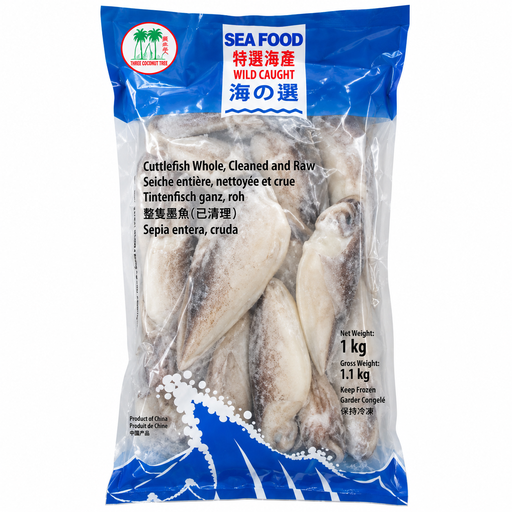 Image unavailable
TCT raw frozen Jack mackerel, headless and gutted, 1 kg
Worth considering for a hot fish dish that you’ll cook, rather than a ready-to-serve starter.
The pack size is listed as 1 kg; the fish is described as glazed and should be kept at −18 °C or below. Check the number of pieces and whether there may be any bones when planning how to serve it. The product description says not to refreeze after defrosting.
View on Joybuy
Frequently asked questions
Can you cook frozen mackerel fillets without defrosting them?
Yes, for the skin-on fillets from Picard: its product information says they can be cooked without defrosting and gives several preparation methods. Follow the instructions for the product you’ve bought rather than using those for a different frozen product.
Can you refreeze mackerel after defrosting it?
Don’t refreeze Picard fillets after defrosting: the product information expressly advises against it. The description of the frozen TCT Jack mackerel gives the same instruction. Always follow the guidance for the product you’re serving.
Why should you keep mackerel chilled before your meal?
Maintaining the cold chain helps limit the risk of histamine forming in the fish. Anses says that mackerel is one of the fish affected, and that neither cooking nor freezing destroys histamine that has already formed.
Which allergens should you check before serving a mackerel recipe?
First, check the labelling for the fish and the exact recipe. Picard’s fillet information lists fish and possible traces of crustaceans and molluscs. A tin in sauce may contain other ingredients, including mustard in the Petit Navire recipe in question.


