
Livraison le jour même ou le lendemain

Qualité garantie

Débloquez vos offres de bienvenue: Livraison GRATUITE | Jusqu'à -80 % | 30 jours d'essai gratuits à JoyPlus
Téléchargez l'application
Lychee products are loved for their floral notes and delicately fruity taste. But between lychee drinks, juices, nectars, sodas and desserts, the differences can be considerable. To avoid any unpleasant surprises, it’s best to look beyond the tropical imagery and marketing promises.
The mention “lychee” on the label doesn’t guarantee the product contains a high amount of fruit. A drink may combine lychee juice or concentrate, water, sugar, flavourings and acidity regulators. The smart move is to check the ingredients list and the percentage of juice or purée.
For example, YEO’S Lychee Drink 300 ml contains 2% lychee juice, while Maaza Lychee 1 L boasts 18% lychee purée. Even though the word “lychee” appears on both packs, the taste experience will be completely different.
A colourful pack or a picture of fruit on the label isn’t enough to judge the sugar content. Always compare the values per 100 ml or 100 g, rather than just looking at the figures given for a single serving.
In this selection, some lychee drinks have around 40 to 52 kcal and 9 to 12.9 g of carbohydrates per 100 ml. A 310 or 330 ml can therefore represents a very different intake compared to a small 150 ml bottle.
A large tin of tinned lychees can be very practical for a restaurant, caterer or large family. However, it needs enough storage space and must be used up quickly after opening. Individual cans, on the other hand, are better suited to lunches, picnics or single servings.
Once opened, fruit in syrup should generally be transferred to a suitable container, kept in the fridge and consumed within the time stated on the pack.
For a drink, start by looking at the order of ingredients. A high proportion of water and sugar, combined with a low juice content, will usually give you a refreshing, flavoured drink rather than a true lychee juice.
For tinned fruit, check the proportion of lychees, the net weight and whether a light syrup is used. Available sizes range from 227 g to 2.84 kg, including tins of 565 g and 567 g. That way, you can choose the volume to suit your needs.
Lychee drinks and desserts may contain sugar, sweeteners or both. Jelly B Konjac Jelly Lychee 150 ml, for instance, combines erythritol, sucralose and acesulfame K, with a stated 4 kcal per 150 ml serving. That’s a far cry from the profile of a classic lychee soda.
Always check the French or European label at the time of purchase: the ingredients, allergens and nutritional values can change.
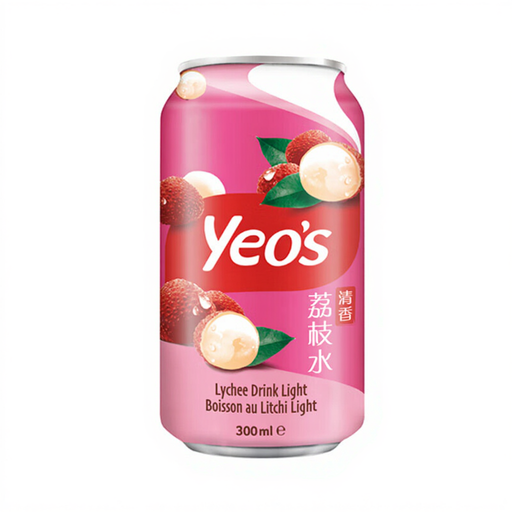
Why this choice suits this profile: Its individual 300 ml format lets you try a lychee drink without committing to a large bottle.
The volume is clearly stated and the product page specifies the 2% lychee juice content. This makes it easy to compare with a juice or nectar.
A handy can, with 20 kcal per 100 ml according to the product sheet. Serve chilled and consume immediately after opening.
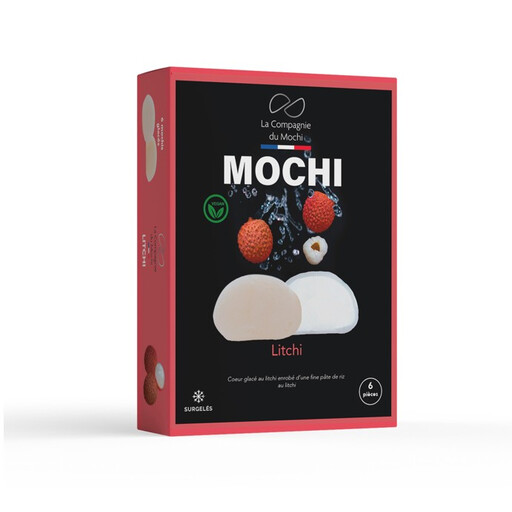
Why this choice suits this profile: This frozen dessert offers an elegant presentation and a two-layer texture, perfect for finishing a meal or treating yourself.
The product page states 18.1% lychee purée, six pieces of 33 g each and storage at -18 °C. The choice is therefore based on concrete, verifiable data.
A plant-based dessert made with soya juice, produced in France, with a clearly defined serving size and one identified allergen: soya.
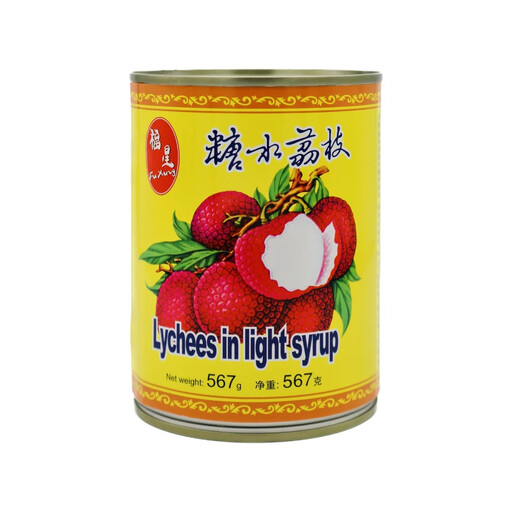
Why this choice suits this profile: This large pack is designed for restaurants, caterers, buffets and regular dessert or cocktail preparation.
With its 2.84 kg net weight, this tin is intended for planned use. The product page also states that the contents should be transferred after opening and consumed within 2 to 3 days in the fridge.
Whole, peeled lychees, ready to serve, with 40% lychee content and 73 kcal per 100 g according to the product sheet.
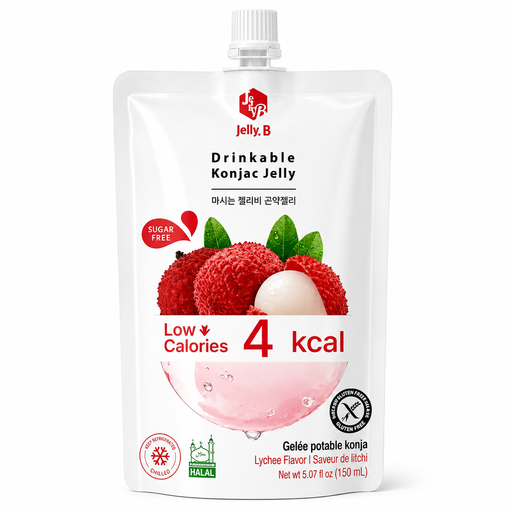
Why this choice suits this profile: The resealable 150 ml pouch slips easily into a bag for a break at the office, a day out or while travelling.
The serving size, ingredients and nutritional values are all detailed. The product page also recommends chewing the product and keeping it out of reach of young children due to its texture.
A konjac jelly texture, an individual format and just 4 kcal per 150 ml serving according to the product sheet.
We’ve put together a complete, real-time updated selection of products that meet these strict criteria and European safety standards.
Tinned lychees can generally be kept at room temperature before opening, in a dry place away from light. Once the tin is opened, transfer the fruit and syrup to a non-metallic container and place it in the fridge.
For drinks, follow the instructions for each specific product. Some must be consumed immediately after opening, while others can be kept in the fridge for a few days. Frozen mochis must be stored at -18 °C or below and should never be refrozen after defrosting.
A nectar usually contains a defined proportion of juice or purée, with water and sometimes sugar. A lychee drink may contain much less fruit, but also flavourings or sweeteners. The ingredients list and the percentage of lychee remain the best indicators for comparing products.
It depends on the instructions on the label. Several products recommend storing in the fridge for 2 to 3 days after opening. Transfer the fruit and syrup to a clean, covered container. Do not consume the contents if the tin is swollen or rusty, or if the syrup has an unusual smell.
A large format, such as the FX tin of 2.84 kg, is suitable for regular preparation and buffets. For occasional use, a 565 or 567 g tin limits the storage space needed. Cans sold in packs of 24 are handy for serving individual drinks at events.