
Livraison le jour même ou le lendemain

Qualité garantie

Débloquez vos offres de bienvenue: Livraison GRATUITE | Jusqu'à -80 % | 30 jours d'essai gratuits à JoyPlus
Téléchargez l'application
A lychee drink can come in many different forms: juice, nectar, fruit-flavoured drink, fizzy version or a blend with other fruits. This variety gives you plenty of choice, but it can also make buying less straightforward. A 1-litre bottle does not meet the same needs as an individual can, while a recipe made with lychee purée cannot be directly compared with a drink consisting mainly of water, sugar and flavourings.
Before adding anything to your basket, focus on three things: the proportion of fruit, the packaging and how the drink should be stored after opening. These criteria will help you choose the right format, whether you are enjoying it on your own, serving it with a family meal or catering for an event.
The name displayed on the shelf is not always enough to tell you what is in the bottle. When comparing products, the ingredients list and fruit percentage are much more informative.
For example, Maaza Lychee 1L contains 18% lychee purée, while Alain Milliat Lychee Nectar 1L states 35% lychee pulp. These figures provide an initial indication of the texture and fruity intensity, although they cannot guarantee a specific taste experience on their own.
A 1 L lychee drink is convenient for a meal, a family or homemade recipes. However, it takes up space in the fridge once opened, and product descriptions often recommend keeping it chilled and drinking it promptly.
An individual 300 to 350 ml can, on the other hand, can be consumed in one go. It means you will not be left with an opened bottle sitting in the fridge after lunch at work, a picnic or individual service in a restaurant. For a reception, a pack of cans also makes distribution easier.
The word ‘exotic’ suggests a flavour profile, but it does not provide precise information about the recipe. Some drinks contain apple juice, guava, dragon fruit or various plant concentrates. Others combine sugar, sweeteners, stabilisers or preservatives.
Take the time to check:
The fruit percentage is a useful reference point when comparing two drinks. However, it is not enough to predict the taste: the recipe, sugar content, acidity and texture also play a part.
Drinks containing pulp or purée may be thicker. If the label recommends it, remember to shake the bottle before serving. Mogu Mogu Lychee 1L, for example, contains 25% nata de coco cubes. This unusual texture can make drinking more fun, but it calls for caution with young children and people who have difficulty swallowing, as stated in the product description.
The products in this selection show fairly significant differences in sugar content. As an indication, Yeo’s Lychee Drink 300 ml lists 4.9 g of sugar per 100 ml, while several lychee nectars and drinks contain around 10 to 13 g per 100 ml.
Always compare the values per 100 ml, then work them out for the volume you will actually drink. A 330 ml can contains considerably more drink than the amount used for the nutritional information table. These products can be enjoyed as part of a varied diet, but their sugar content should be taken into account as part of your daily intake.
The ideal packaging mainly depends on how you intend to use it:
When your order arrives, also check the storage conditions, best-before date and any allergen information directly on the packaging. Information shown online may vary depending on the batch or distribution market.
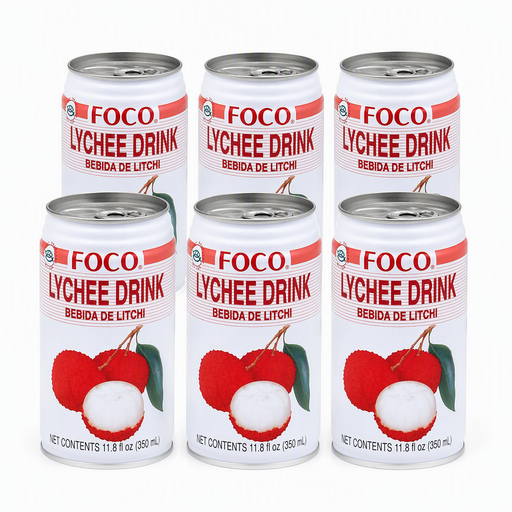
Why this choice suits this profile : With its 350 ml bottles, this pack lets you try a tropical fruit juice without committing to a large volume. The six individual bottles are suitable for breaks, meals and days out.
The individual format means you do not have to open a 1-litre bottle that could end up sitting in the fridge for several days.
Six 350 ml bottles, a stated natural lychee flavour and nutritional values of around 40 kcal per 100 ml.
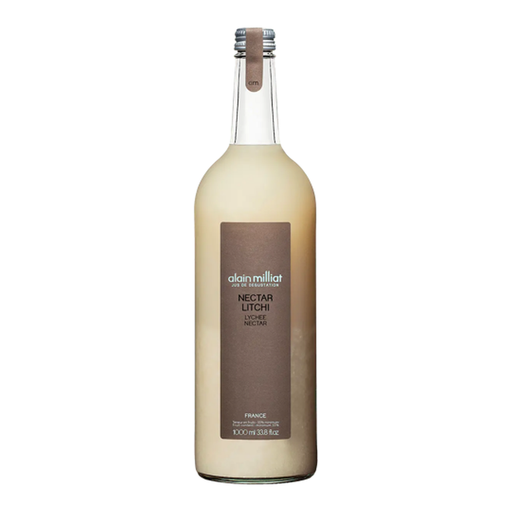
Why this choice suits this profile : This 1-litre bottle of nectar is aimed at those looking for a recipe with a clearly stated pulp content, whether to accompany a meal or prepare drinks.
The product description states 35% lychee pulp, a more concrete reference point than a simple promise of exotic flavour.
A 1-litre bottle, 42 kcal and 10 g of sugar per 100 ml according to the information provided, to be kept in the fridge after opening.
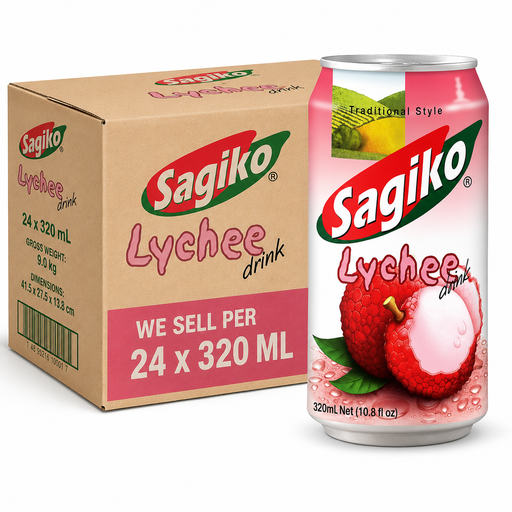
Why this choice suits this profile : With its 24 cans of 320 ml, this pack is designed for restaurants, caterers, private parties and fans of Asian drinks.
The number of servings is clearly displayed, making it easier to estimate your requirements and avoid running short at an event.
24 cans of 320 ml, giving 7.68 litres in total, with 7.5% lychee purée stated in the product description.
For enjoying at home, a 500 ml bottle such as Maaza Lychee Drink 500 ml offers a good balance between an individual serving and sharing on a small scale. For preparing cocktails or mocktails, the 1-litre format is more practical, particularly with Maaza, Rubicon Lychee Delu or Alain Milliat.
The 310 to 330 ml cans can be served chilled, with no glass or measuring required. They pair well with an Asian meal and are easy to serve from a food stall or buffet. To enjoy a properly chilled lychee drink, place the containers in the fridge a few hours before serving. Product descriptions generally recommend serving it well chilled.
We have put together a complete, real-time updated list of products that meet these demanding selection criteria and European safety rules.
Before opening, the products featured can generally be stored in a cool, dry place away from light and heat. Once the bottle has been opened, usually place it in the fridge and drink it promptly. In all cases, follow the instructions on the packaging.
The 300 to 350 ml can is designed for immediate consumption and is easy to carry. The 1-litre format uses less packaging for the same volume and is suitable for sharing or recipes. In return, it requires more care after opening.
Yes, lychee juice or nectar can be used as the base for bubble tea, a mocktail or a cocktail. Check the texture and sugar content, then adjust the amount of ice, tea or tapioca pearls to achieve a balanced result.