
Livraison le jour même ou le lendemain

Qualité garantie

Débloquez vos offres de bienvenue: Livraison GRATUITE | Jusqu'à -80 % | 30 jours d'essai gratuits à JoyPlus
Téléchargez l'application
A lychee drink can come in many forms: juice, nectar, fizzy soda, Asian-style drink or a concentrate to dilute. The flavour pictured on the label alone isn't enough to make your choice. To pay the right price and find the product that suits your needs, it's worth checking the ingredients, the format and the storage instructions.
Whether you're accompanying a meal, mixing a cocktail, serving an exotic drink at an event or adding something special to a lychee dessert, a few common pitfalls keep cropping up.
A picture of lychees on a can doesn't necessarily mean the drink contains a significant amount of juice or purée. Check the ingredients list and look for terms like "lychee juice", "lychee purée" or "concentrated juice", along with the percentage.
The YEO'S Lychee Drink 300 ml, for example, contains 2% lychee juice. So it's a lightly sweetened, lychee-flavoured drink, not a juice made mostly from fruit. By contrast, the Maaza Lychee 1 L contains 18% lychee purée – a figure worth keeping in mind if you're after a more pronounced fruity flavour.
Lychee drinks are often sweetened to balance their floral notes. A single can might seem reasonable, but the amount quickly adds up when you're serving several glasses at the table. Compare the values per 100 ml, then look at the total amount in the can or bottle.
The Spring Valley Lychee Nectar Drink contains around 10.5 g of carbohydrates, of which 10.5 g are sugars, per 100 ml. A 330 ml bottle therefore represents a portion to consider as a whole, especially at a buffet or self-service event.
A 300 or 330 ml can is ideal for one person and limits leftovers after opening. A 1 L bottle or a pack of 24 cans is better suited to a family, a restaurant or an event, but will require more storage space.
For professional use, lychee syrup in a large container can be more practical than a ready-to-drink option. It lets you prepare lemonades, iced teas, cocktails or soft drinks, adjusting the strength yourself.
A clearly stated percentage makes comparison easier. The MAAZA Lychee 1 L announces 18% lychee purée, while the SAGIKO Lychee Drink mentions 7.5% purée. These figures won't predict everyone's taste, but they give a concrete idea of the recipe.
Also remember to check for sugar, sweeteners, acidity regulators, stabilisers or preservatives. The information on a product page should always be cross-checked against the packaging you receive, which remains the reference for ingredients, allergens and the best-before date.
A lychee drink is best enjoyed well chilled or over ice. Before opening, drinks and tinned goods should be stored in a dry place, away from heat and light, following the manufacturer's instructions.
After opening, the rules change:
For frozen desserts, such as lychee mochi, keep the cold chain intact and do not refreeze after defrosting. Individual portions of lychee jelly are handy for snacks and buffets, but their chewy texture calls for caution with young children.
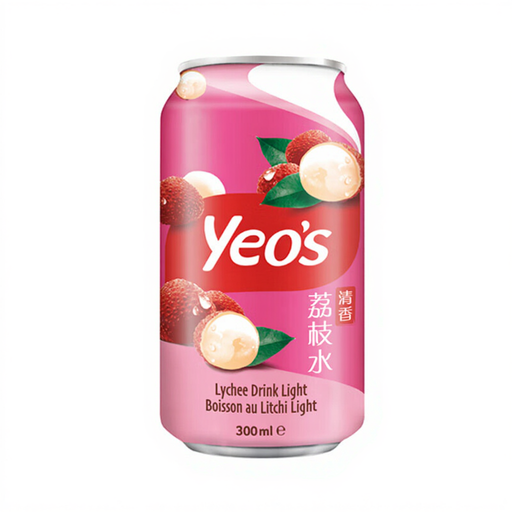
Why this choice suits this profile: Its individual 300 ml format lets you discover an Asian lychee drink without committing to a large volume.
The product page states 2% lychee juice and 20 kcal per 100 ml: its composition clearly positions the product.
Handy can, ready to serve, 0 g of fat per 100 ml according to the product page.
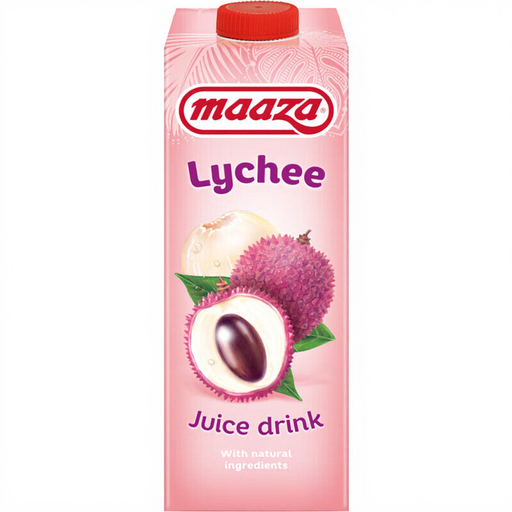
Why this choice suits this profile: The one-litre format is ideal for serving at the table, shared meals and those who enjoy drinks with a fruitier texture.
The product page mentions 18% lychee purée: this proportion can be checked before purchase.
1 L bottle, lychee purée listed in the ingredients, best served chilled or over ice.
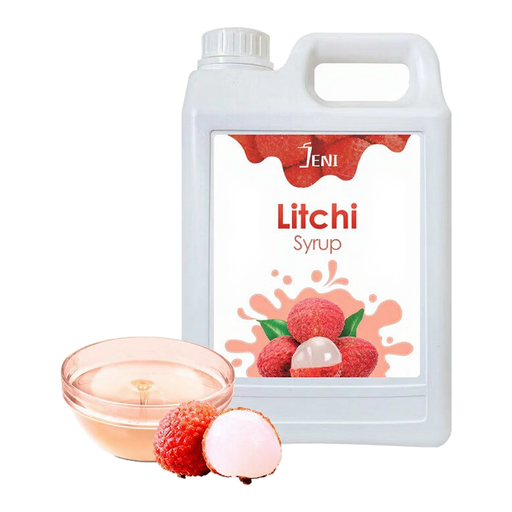
Why this choice suits this profile: This large container is aimed at bars, restaurants, caterers and event organisers.
This is a concentrated syrup to be diluted: there's no risk of confusing the container's volume with that of a ready-to-drink beverage.
2.5 kg, suitable for lemonades, cocktails, iced teas and desserts, with a dosage to adjust as needed.
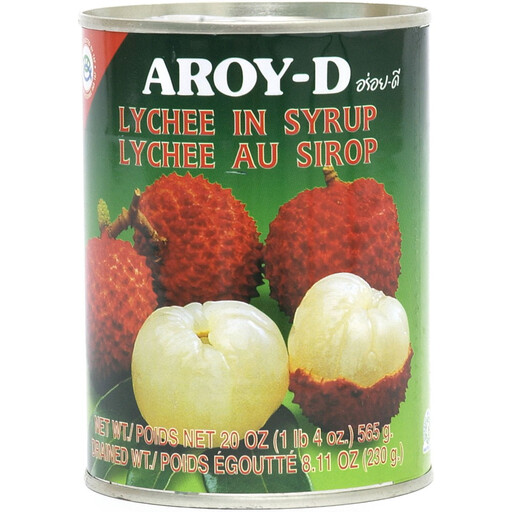
Why this choice suits this profile: These tinned lychees can be used in fruit salads, ice cream sundaes, cocktails and Asian recipes.
The net weight of 565 g and the lychee proportion of 40.7% are stated, helping you estimate the number of portions.
Ready to eat, stores at room temperature before opening, multiple uses.
We've put together a comprehensive, real-time list of products that fully meet these strict selection criteria and European safety regulations.
A lychee soda brings bubbles and works well with ice, lime or fresh fruit. With a juice, nectar or syrup, it's easier to adjust the intensity of the flavour. For a large number of guests, syrup offers a flexible quantity, as long as you follow the dilution instructions.
It all depends on the instructions on the label. An opened can should generally be consumed quickly. A bottle should be kept in the fridge if the manufacturer recommends it. Opened lychees in syrup should be refrigerated and consumed within a short time, often two to three days depending on the product.
Yes. Once drained, they can be used to top a fruit salad, a dessert, ice cream, tapioca or a lychee dessert. The syrup can also flavour a preparation, but its sugar content must be factored into the recipe.