
Livraison le jour même ou le lendemain

Qualité garantie

Débloquez vos offres de bienvenue: Livraison GRATUITE | Jusqu'à -80 % | 30 jours d'essai gratuits à JoyPlus
Téléchargez l'application
Eating quickly and well without breaking the bank? It's a daily challenge. That's where canned pork, better known as luncheon meat, comes in. Far from the old clichés, this ultra-versatile solution has it all. Perfect for an on-the-go sandwich, adding substance to a slow-cooked dish, or simply keeping a strategic reserve in your pantry, it brilliantly saves the day.
This guide is here to help you navigate the many options on the market. We'll break down the essential criteria for making the right choice and introduce you to our top picks, suited for every taste and recipe.
From traditional country-style p?té to Asian-inspired canned meats, the selection is vast. Here are the key points to check before you buy.
This should be your first instinct: check the ingredients list. A high meat percentage is often a guarantee of a better texture and a bolder flavour. For instance, some products boast a pork content of 93?%, while others, like the classic Ma Ling, combine pork and ham (often around 72?% pork and 10?% ham). French pork p?té, such as the one from Hénaff, also highlights a high proportion of meat, often over 90?%, sourced from local suppliers.
Your choice will obviously depend on what you plan to do with it.
Beyond the meat percentage, the other ingredients speak volumes about the product. Spices, potato starch (to bind the mixture), or nitrite salts (like E250, a classic preservative in cured meats)?: every recipe has its secrets. As a general rule, a short ingredient list is a good sign and indicates a more authentic recipe.
To help you find your way, here are a few products that showcase the market's diversity.
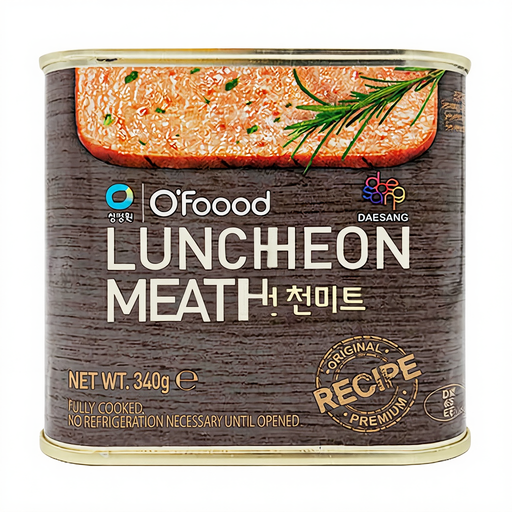
Key feature?: With 93?% pork, this product is for those who prioritise meat and flavour above all. Its simple composition and firm texture make it a reliable choice for cooking.
Pros:
Who is it for?? This is the perfect choice for fans of Korean cuisine who want to make an authentic kimchi jjigae or budae jjigae. It will also appeal to anyone who values a high meat content.
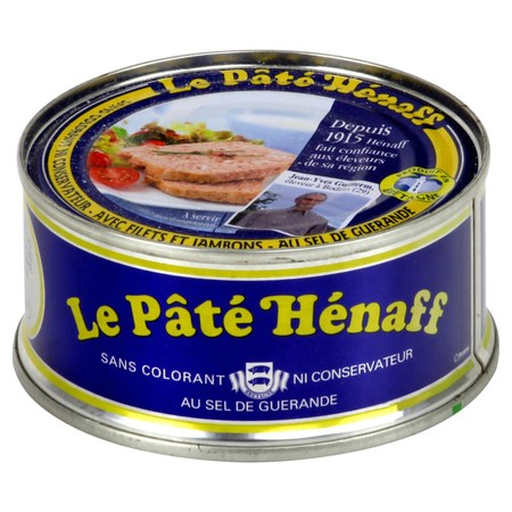
Key feature?: Rooted in the Breton charcuterie tradition, Hénaff p?té is an institution. Made with 100?% Breton pork, Guérande sea salt, and a hint of spice, its recipe is a model of simplicity and authenticity.
Pros:
Who is it for?? For lovers of traditional French charcuterie, plain and simple. It's perfect as an appetiser, on a picnic, or in a sandwich with a few gherkins. An excellent artisanal alternative to Asian versions.

Key feature?: The Ma Ling brand is the classic benchmark for luncheon meat. Its iconic recipe, combining 72?% pork and 10?% ham, delivers the balanced flavour and tender texture that have made it a global success.
Pros:
Who is it for?? For anyone seeking the comforting and familiar taste of canned ham. It's the ultimate all-rounder, perfect for everything from a quick sandwich to a stir-fry or a Chinese hot pot.
Our selection is just a glimpse of the possibilities offered by luncheon meat and its relatives. To explore other brands, sizes, or recipes, feel free to browse our full department.
? Discover our full range of canned pork
Its versatility is its greatest strength! You can:
In reality, SPAM is an American brand of canned meat, created in 1937. Its success was so immense that its name became a generic term for luncheon meat, much like how people say "Hoover" for a vacuum cleaner or "Kleenex" for a tissue. Therefore, luncheon meat is the product category, which includes the SPAM brand and many others like Ma Ling or Tulip.
Once the can is opened, transfer the contents to an airtight container and store it in the refrigerator. It is recommended to consume it within 3 days to preserve its freshness and flavour, as most manufacturers advise.