Parents comparing sugar content
You’re looking for a lunchbox treat with less declared sugar, without taking ‘sugar-free’ as an invitation to increase the portion.


For a school lunchbox, the choice is about more than just the words ‘sugar-free’: sweets are still a treat to be offered in limited quantities, in line with Public Health France recommendations for children. If you want to compare recipes, check the sugars per 100 g, sweeteners, allergens and warnings, then decide how much to pack. A product with reduced sugar content is not necessarily sugar-free; a small portion of classic sweets is another option if you’re not looking for a substitute.
You’re looking for a lunchbox treat with less declared sugar, without taking ‘sugar-free’ as an invitation to increase the portion.
You prefer a recipe without sweeteners and are happy to check its sugar content separately. Haribo Croco Baby is an example of this compromise.
You need to check allergens, any warnings and how much your child will take, rather than choosing based only on the front of the pack.
To compare sugar-free, reduced-sugar and classic sweets, start with your main priority, then check the portion and the information specific to the product you’re considering.
| Criteria | What to check | Who is it for? |
|---|---|---|
| Declared sugars | Compare the ‘of which sugars’ line per 100 g with the amount you’ll actually pack. | If your priority is reducing the sugar in a lunchbox treat, the wording on the pack alone won’t help you compare recipes. Around 42% of consumers prioritise reducing sugar. |
| Sweeteners | Read the ingredients list. If you choose a recipe without sweeteners, check its sugars per 100 g too. | You may prefer a recipe without sweeteners while accepting that it still contains sugars. Around 33% of consumers put the absence of sweeteners first. |
| Label and portion | Look for highlighted allergens, any warnings and a format that makes it easy to prepare a portion. | When choosing a treat for a child, knowing what it contains and how much they’ll take may matter more than the words ‘sugar-free’. Around 25% of consumers put these checks first. |
This claim doesn’t tell you everything about the recipe. Some sugar-free sweets contain sweeteners or polyols. Public Health France also recommends limiting sugary products offered to children.
Decide how much to pack before filling the lunchbox, then read the ingredients and nutrition declaration for the product you choose.
E.Leclerc’s product information for CONFISEO sugar-free herbal sweets warns that excessive consumption may have a laxative effect. This warning applies to this product and should be checked for any other product you’re considering.
Read the warnings on the pack and prepare a portion rather than putting a whole bag in the lunchbox.
Haribo says Croco Baby contains 30% less sugar, while also stating that it has 35 g of sugars per 100 g. So the reduction claim doesn’t mean that this product is sugar-free.
To compare two products, check their sugar content per 100 g, then look at their ingredients.
According to the French ministry responsible for the economy, displaying the Nutri-Score is voluntary. Nutrition declarations, on the other hand, are compulsory for most prepacked foods, as explained by the DGCCRF.
If a Nutri-Score appears on the pack, use it as a guide when comparing similar products, without overlooking the ingredients, allergens and warnings.
Croco Baby is an example of a product marketed as having reduced sugar, rather than a range that is entirely sugar-free.
The retailer’s search results include various sweets described as ‘sugar-free’ or ‘with no added sugar’.
This brand includes sugar-free herbal sweets listed by E.Leclerc.
Both of these sugar-free sweets contain sweeteners. When packing a lunchbox, compare their ingredients and warnings, then check the packaging for the amount that corresponds to your chosen portion.
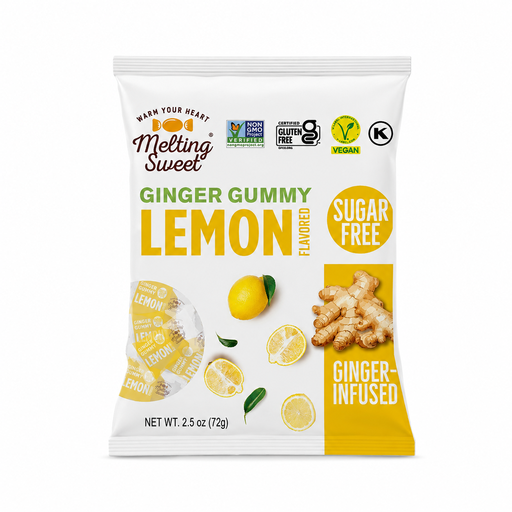 Image unavailable
Individually wrapped sweets can make it easier to pack a set amount, provided you check the weight of each sweet on the packaging.
The product information for this item states that it contains 0 g of sugars and 81 g of polyols per 100 g, as well as 5% ginger and the sweeteners E953 and E965. It also lists coconut and warns that excessive consumption may have a laxative effect. Check these details on the packaging before preparing a portion for your child.
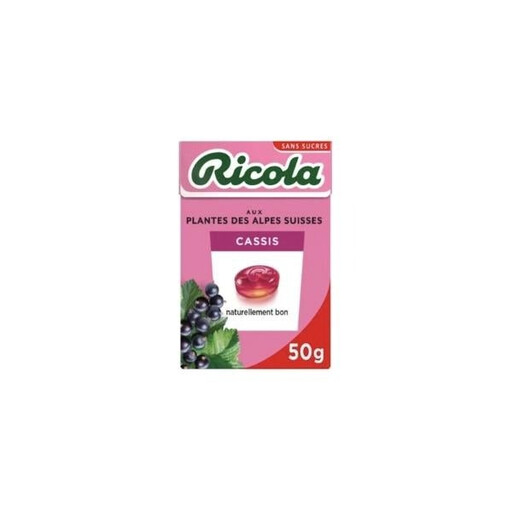 Image unavailable
The pocket-sized tin is handy for taking with you. Check the weight of one lozenge to work out how many to put in the lunchbox.
The product information for this item states that it contains 0 g of sugars per 100 g and lists isomalt, steviol glycosides and thaumatin among its sweeteners. Read the packaging to check the ingredients and any warnings that apply to this recipe.
No. According to the French ministry responsible for the economy, displaying it is voluntary. The DGCCRF explains that nutrition declarations are compulsory for most prepacked foods. If a Nutri-Score is shown, it doesn’t replace checking the sugars, ingredients and warnings.
No: the words ‘sugar-free’ don’t mean you can skip choosing a portion. Some recipes contain polyols and carry a warning about a laxative effect if consumed excessively. Check the warning on the product you choose before packing the lunchbox.
Read the ingredients list every time you buy the product and look for allergens highlighted on the packaging, in line with the labelling rules outlined by the DGCCRF. Neither ‘sugar-free’ nor the Nutri-Score tells you on its own whether a product is free from a particular allergen.
Check that the product does contain liquorice and how much will be packed. Anses warns against eating liquorice-based foods frequently and in large quantities; the ‘sugar-free’ claim doesn’t change this advice.