For a secondary school lunchbox, a chocolate bar lets you choose a few squares at home. A box of individual chocolates can be used to prepare several occasional portions if you decide in advance how many pieces to include. Manger Bouger suggests a varied snack for 4–17-year-olds, such as bread with a few squares of chocolate and a piece of fruit or a dairy product. Whichever format you choose, check the ingredients and allergens for the specific product you buy.
Who are these formats for?
Parents who want to set the portion
If you’re preparing several lunchboxes, a sharing box can provide a little chocolate treat without making up the whole snack. For 4–17-year-olds, Manger Bouger suggests bread with a few squares of chocolate, accompanied by a piece of fruit or a dairy product.
Families managing allergens
If certain ingredients need to be avoided, the label on the exact product matters more than the brand or the appearance of the chocolates. A 222 g Lindor assortment listed by Joybuy, for example, declares milk, lactose, hazelnuts, soya and barley.
Shoppers planning an occasional treat to share
If you’re dividing chocolates between several lunchboxes or sharing them for a special occasion, the number of pieces and time needed to portion them both matter. The Lindor gift boxes featured by Lindt France are examples of larger formats made for sharing; their size doesn’t determine each pupil’s portion.
What should you look for before buying?
When preparing a lunchbox at home, start with the amount you want to include. If you’re sharing a box between several people, also check the number of pieces, how they’re packaged and what the assortment contains.
| Criterion | What to check | Who it’s for |
|---|
| Portion |
How many squares or pieces to put in each lunchbox, and whether you can prepare them in advance. |
If I’m putting a snack together at home, I want to decide how much of it is chocolate. Around 33% of consumers make portion control their priority. |
| Allergens and ingredients |
The ingredients list and allergens for the product you’re buying, especially if it contains several recipes. |
If an ingredient needs to be avoided, every chocolate you hand out must be suitable for the pupil concerned. Checking allergens comes first for around 25% of consumers. |
| Preparation and transport |
The number of pieces, how they’re packaged and any storage instructions; take a small container if needed. |
If you’re preparing several lunchboxes without leaving a large box open for everyone to help themselves, you need to be able to portion the chocolates easily. Around 25% of consumers prioritise this convenience. |
| Occasional sharing |
The number of portions you actually plan to make and what each assortment contains, rather than just the size of the box. |
For a special occasion, my first priority is finding an assortment to share with several people. This is a priority for around 17% of consumers. |
Mistakes to avoid
-
Assuming the Nutri-Score is compulsory
In France, the DGCCRF distinguishes between the nutrition declaration required for certain pre-packed foods and the Nutri-Score logo, which is optional. So its absence alone doesn’t tell you whether a box complies with the rules.
Compare the nutrition information and ingredients of products in the same category. Use the Nutri-Score as additional information when it’s shown.
-
Applying the sugar-sweetened drinks tax to chocolate
The French levy described by Légifrance applies, subject to the conditions set out in the legislation, to drinks and liquid preparations for drinks containing added sugars, not to a box of solid chocolates.
When choosing chocolate, check the ingredients, nutritional values and allergens instead, then decide how much to put in the lunchbox.
-
Assuming every chocolate in an assortment is suitable
Recipes can vary within the same box. For example, the 222 g Lindor product featured by Joybuy declares several allergens. The appearance of the chocolates is no substitute for reading the label.
Check the ingredients on the box you’re actually buying before dividing it up. If you can’t confirm that a chocolate is suitable for the pupil concerned, don’t give it to them.
-
Confusing a large sharing box with ready-to-pack portions
A sharing box doesn’t determine how many chocolates go into each lunchbox. Lindt France, for example, features Lindor assortments weighing 450 g and 600 g. The weight tells you the size of the box, not the size of an individual portion.
Choose between a bar you can portion and individual chocolates you can count, depending on how you prepare the snack. Then set aside the amount you’ve planned.
Brands and retailers to consider
These examples of product ranges and listings can help you identify different formats. Always check the ingredients for the specific product you choose.
Lindt
Lindt France offers Lindor chocolate assortments, including gift boxes designed for sharing.
- Lindt France describes its 450 g Lindor Cacao box as containing 36 chocolates; another assorted box weighs 600 g.
- Recipes can vary within an assortment. Check the ingredients and allergens on the specific box before preparing portions.
Ferrero Rocher
Ferrero Rocher boxes of individual chocolates show how many pieces each product contains.
- Carrefour lists a box of 16 pieces weighing 200 g; Auchan also lists a 30-piece format weighing 375 g.
- Product descriptions mention ingredients including milk chocolate, hazelnuts and wafer. Check the full label if any ingredients need to be avoided.
Carrefour
The retailer lists boxes of chocolates, including a Ferrero Rocher product containing 16 pieces and weighing 200 g.
- The number of pieces and the weight of this box help you identify its size before deciding on portions.
- These details apply to this specific product. Check the listing and packaging of the product you’re thinking of buying.
Auchan
The retailer’s listings provide information on some sharing boxes, including Ferrero Rocher and Lindor products.
- The Ferrero Rocher listing states that it contains 30 pieces; the listing for a 250 g Lindor box gives nutritional information per 100 g.
- Don’t assume that the ingredients or nutritional values of one box apply to another product from the same brand.
Formats available on Joybuy
These products show three ways to prepare a lunchbox: count chocolates from a sharing-size pack, take some from a box for an occasional treat, or portion a bar at home. For each one, decide how much to take and check the label on the packaging you buy.
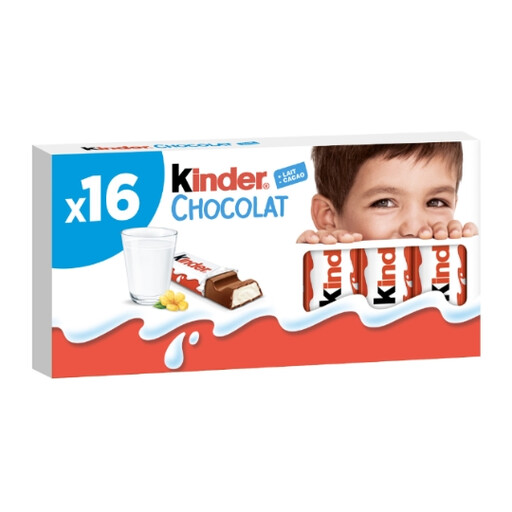 Image unavailable
Kinder Chocolate x16
This x16 pack lets you count how many chocolates to put in each lunchbox when sharing them between several people. Before handing them out, check the packaging as well as the ingredients and allergens on the pack.
View on Joybuy
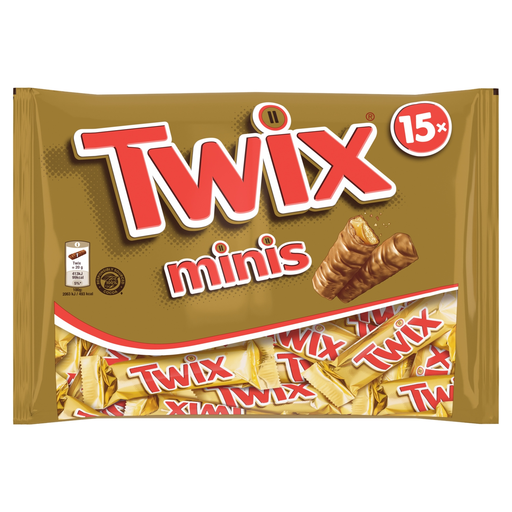 Image unavailable
Twix caramel minis, 15 mini bars
This pack of 15 mini bars works well for planning several snacks in advance, once you’ve decided how many bars to put in each lunchbox. If each bar needs to be carried separately, check the packaging for the product you buy. Also check the label for allergens.
View on Joybuy
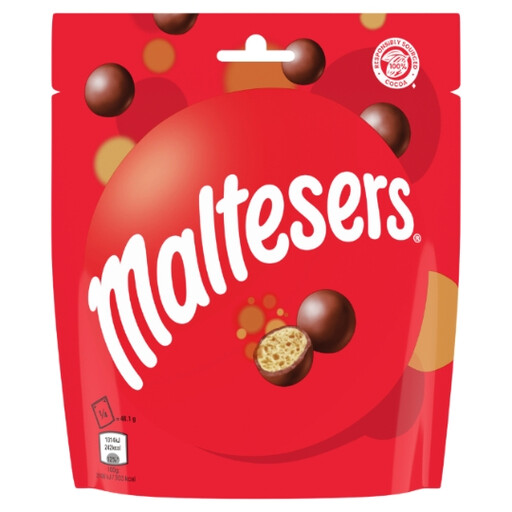 Image unavailable
MALTESERS milk chocolate, 192.5 g bag
For an occasional treat to share, set aside the amount you want from this 192.5 g bag in advance and pack it in a container for the lunchbox. If you want to count the chocolates or carry them separately, check the number of pieces and how they’re packaged on the product.
View on Joybuy
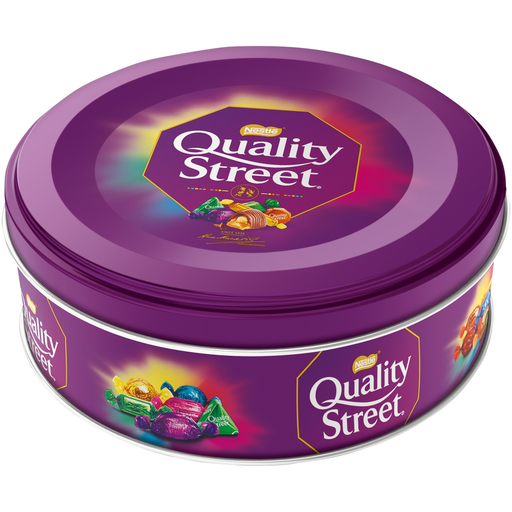 Image unavailable
Quality Street assorted chocolates and toffees, 400 g tin
This 400 g tin is better suited to an occasional treat to share than to a pre-set lunchbox portion. Choose which pieces to include before preparing the snacks, and check the ingredients in the assortment for each pupil concerned.
View on Joybuy
 Image unavailable
Lindt Excellence, 85% cocoa dark chocolate, 100 g
If you portion chocolate at home, this 100 g bar is an alternative to a box of individual chocolates. Check how it breaks if you’re planning to prepare squares, pack them in a container for transport and read the label on the packaging you buy to check for allergens.
View on Joybuy
Frequently asked questions
Is the Nutri-Score compulsory on a box of chocolates in France?
No. The DGCCRF says that the Nutri-Score logo is optional, while a nutrition declaration is required for the pre-packed foods covered by the rules. You can compare nutrition information and ingredients even when the logo isn’t shown.
Does the tax on sugary drinks apply to boxes of chocolates?
No. It doesn’t apply to a box of solid chocolates simply because it contains sugar. Under the conditions set out in the French legislation published by Légifrance, the tax applies to drinks and liquid preparations for drinks containing added sugars.
Can a sharing box make up a secondary school pupil’s whole snack?
For a varied snack, don’t rely on the box of chocolates alone. Manger Bouger suggests bread with a few squares of chocolate and a piece of fruit or a dairy product for 4–17-year-olds. A sharing box can be used to take out the chocolate planned for that snack.
What should you check before sharing an assortment between several pupils?
Read the ingredients and allergen information on the box you’ve actually bought, then check that the pieces intended for each pupil are suitable for them. As Anses points out, food labelling plays an important role for people with allergies; don’t assume that every recipe in an assortment has the same ingredients.


