Parents keeping an eye on portion size
They’re looking for a bar to pop into a lunchbox now and again, and compare the weight of each bar with the sugar content for the amount that will be eaten.


For an occasional treat in a secondary school lunchbox, start by choosing an amount that will actually be eaten. Then compare the sugar per bar or portion, rather than looking only at the figures per 100 g. Check the allergens in the exact recipe too: a smaller format makes portions easier to manage, but it doesn’t make different bars interchangeable.
They’re looking for a bar to pop into a lunchbox now and again, and compare the weight of each bar with the sugar content for the amount that will be eaten.
They need to check the exact recipe: depending on the product, ingredients or precautionary warnings may relate to milk, wheat, peanuts, soya, egg or tree nuts.
A multipack can make preparation easier, provided you check how many bars it contains, their weight and whether each one is individually wrapped.
Start with the portion you plan to put in the lunchbox, then check the recipe and packaging. Manger Bouger recommends limiting sugary, fatty foods in children’s and teenagers’ daily diets, so a chocolate bar is best treated as an occasional treat.
| What to consider | What to check | Who is this for ? |
|---|---|---|
| Portion and sugar | The weight of one bar and the sugar content for the portion actually eaten ; check the figures per 100 g too, to compare recipes. | If I’m putting just one bar in the lunchbox, I want to know what that individual bar contains, rather than the whole pack. Around 44 % of consumers would put managing this sugary portion first. |
| Allergens | The ingredients list and any precautionary warnings on the packaging of the exact variant. | If I need to manage an allergy or avoid certain foods, I must choose based on the precise recipe, even if I already know the brand. Allergen suitability would be the priority for around 33 % of consumers. |
| Packaging | The number of bars, the weight of each one and whether they are individually wrapped. | When preparing several lunchboxes, I want individual portions that are easy to share out, without assuming that all mini bars are individually wrapped. Around 23 % of consumers would prioritise this convenience. |
According to the European Commission, nutrition labelling is required for the vast majority of prepacked foods, while front-of-pack nutrition labelling is voluntary. So the absence of a Nutri-Score isn’t enough to judge a bar’s nutritional content.
If one appears on the packaging, use it as additional information, then read the nutrition information and ingredients for the product you’ve chosen.
The levy described by the French Ministry of the Economy applies to sugary drinks, not solid chocolate bars.
When choosing a bar, check its weight and the sugar content for the portion you’ll eat instead.
A lunchbox contains a specific amount: the Carrefour product reviewed comes in 21 g bars, while a Snickers Single weighs 50 g. Figures per 100 g alone don’t tell you what each individual bar contains.
Check the weight of the bar, then look at the sugar per portion if this information is provided.
Ingredients vary between products: KitKat Milk Chocolate contains wheat and milk, while KitKat Chunky Peanut Butter contains peanut-based ingredients, according to KitKat product information.
Check the label whenever the recipe, flavour or format changes.
The products reviewed combine chocolate and caramel, with peanuts in Snickers or biscuit in Twix.
The range reviewed includes a milk chocolate wafer bar and variants such as Chunky Peanut Butter.
Carrefour Milk Chocolate Bars are sold in a pack of 10 bars weighing 21 g each.
These Joybuy products give you the option of mini bars, multipacks and a single bar for an occasional lunchbox treat. A format name doesn’t replace checking the weight, sugar content and allergens on the packaging of the product you choose.
 Image unavailable
If you’d prefer a small piece to a larger bar, check the weight and sugar content for the piece you’ll eat, along with the allergens in this variant.
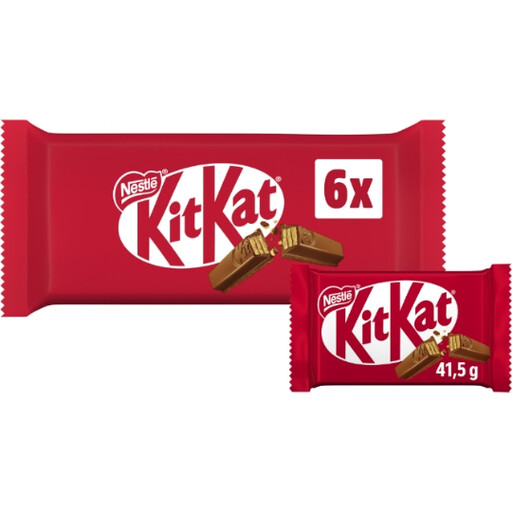 Image unavailable
This pack contains six 41,5 g bars, which could work well if you’re planning several portions. If you want to put each bar in a separate lunchbox, check how they’re wrapped and look at the sugar per bar on the packaging.
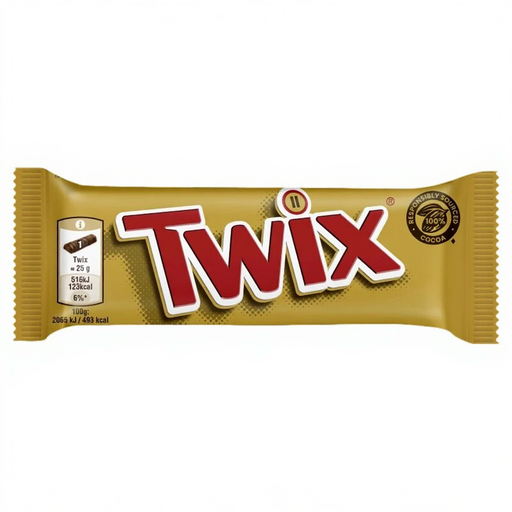 Image unavailable
This 50 g single bar could suit someone who likes biscuit, caramel and milk chocolate. Check that this amount is right for the portion you want, then read the sugar and allergen information on the packaging.
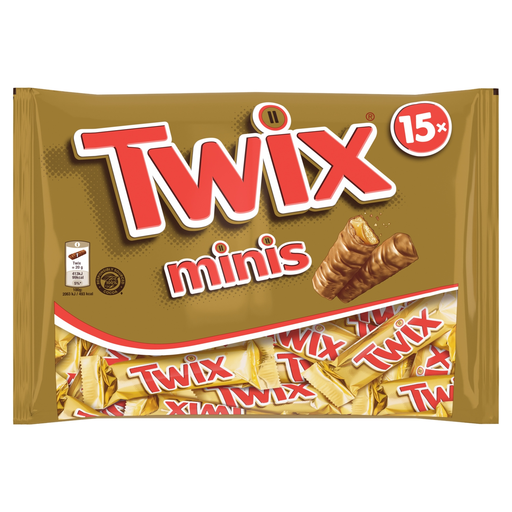 Image unavailable
This pack of 15 mini bars may suit families preparing several portions. Before choosing one for a lunchbox, check its weight and sugar content, and how the mini bars are wrapped.
No. According to the European Commission, nutrition labelling is required for the vast majority of prepacked foods, but front-of-pack nutrition labelling, which includes Nutri-Score, is voluntary. Check the nutrition information for the exact bar, whether or not it displays a Nutri-Score.
No. The levy described by the French Ministry of the Economy applies to sugary drinks. When comparing solid bars, check their weight and sugar per portion instead.
Read the ingredients and precautionary warnings for the exact recipe. The products covered here differ: Snickers contains peanuts, for example, while KitKat Milk Chocolate contains wheat and milk, and the Twix recipe described by Carrefour France contains wheat, milk and soya, among other ingredients.
Follow the storage instructions on the packaging of the product you’ve bought. Check them before deciding where to keep the bar until it’s ready to eat.