Parents preparing a single lunchbox
A bar with its weight clearly stated lets you choose a portion without opening a large bar of chocolate. If you’re buying just one, check that it’s sold individually rather than in a multipack.


For a single lunchbox, a bar sold individually makes it easy to know exactly how much you’re buying. If you’re preparing several, a pack of individually wrapped pieces may be more convenient. Whichever you choose, check the portion you’ll actually pack, the sugars listed on the label, any allergens and the school’s rules before settling on a product.
A bar with its weight clearly stated lets you choose a portion without opening a large bar of chocolate. If you’re buying just one, check that it’s sold individually rather than in a multipack.
Check the nutritional information per 100 g and, where shown, per portion. The weight of each piece matters too: you can’t compare two recipes by pack size alone. Santé publique France points out that Nutri-Score is voluntary in France.
Check the exact recipe and any precautionary allergen statements on the packaging. Product listings published by Carrefour France show differences in the presence of nuts, milk, soya and wheat, among other ingredients. Be sure to check the school or class rules too.
First, choose a recipe that meets your child’s needs and the school’s requirements. Then compare the amount in each piece and choose a pack size that suits the number of lunchboxes you’re preparing.
| Criteria | What to check | Who this matters to |
|---|---|---|
| Portion and sugars | The weight of each piece and the sugars per 100 g; also compare the figures per portion when they appear on the packaging. | If the amount packed and its nutritional content matter more than the pack format, you’ll need to compare actual portions. Around 33% of consumers put this need first. |
| Allergens and school rules | The ingredients list, any precautionary allergen statements and the school’s requirements for the recipe you’ve chosen. | If an allergen needs to be avoided or a class rule applies, choosing another brand doesn’t automatically mean the product is suitable. This check is a priority for around 25% of consumers. |
| Preparing several lunchboxes | The number of pieces and how they’re packed; check the weight of each piece if it’s stated. | If you’re preparing lunchboxes for several days, individually wrapped pieces can make portioning easier. This convenience is the top priority for around 25% of consumers. |
| Buying a single piece | Whether the product is actually sold individually or in a multipack, and how much you’ll need to store after buying it. | If you’re only preparing one lunchbox, buying a whole pack may not suit your needs. Around 17% of consumers prioritise being able to buy a single piece. |
Santé publique France says that displaying it is voluntary. If it appears on the packaging, it doesn’t replace checking the nutritional information, allergens or portion size.
Compare like-for-like products and check their sugar content, weight per piece and ingredients list, whether or not they display Nutri-Score.
The recipes vary: some contain hazelnuts, while others list ingredients such as wheat, milk or soya. They may also carry precautionary allergen statements.
Check the packaging of the exact product and the school’s rules before putting it in a lunchbox.
The scale published by the Bulletin officiel des finances publiques-Impôts applies to the non-alcoholic drinks covered by the levy, not to a solid chocolate bar.
When choosing between chocolate formats, focus on the portion, ingredients and allergens rather than this tax.
These product range examples help you distinguish between a bar sold individually and a pack of several pieces. Check the label for each recipe.
Carrefour France lists a 45 g milk chocolate and hazelnut bar, sold individually.
The Crunch Snack milk chocolate and puffed rice bar listed by Carrefour France is sold individually in a 30 g size.
Lindt France lists chocolate bars, including Noccio in a 35 g size.
Carrefour France lists Mini Tablettes in a pack of eight pieces weighing 200 g, rather than as a single bar.
This selection includes packs of chocolate pieces for preparing several lunchboxes, as well as bars to consider for a one-off purchase. Mikado sticks are chocolate-coated biscuits, not chocolate bars.
 Image unavailable
A pack to consider if you’re preparing several lunchboxes and want to portion out the pieces. Before deciding how much to pack, check the individual wrapping, sugar content and allergens on the packaging.
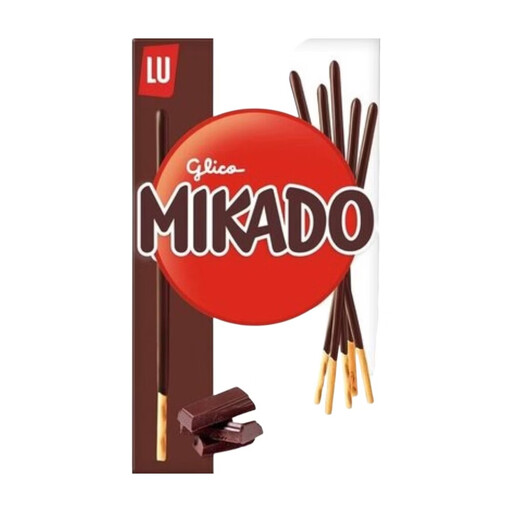 Image unavailable
This format is worth considering if you’re happy with chocolate-coated biscuit sticks rather than a bar or mini chocolate squares. The box weighs 75 g, so check how the sticks are packed and how many you plan to put in the lunchbox.
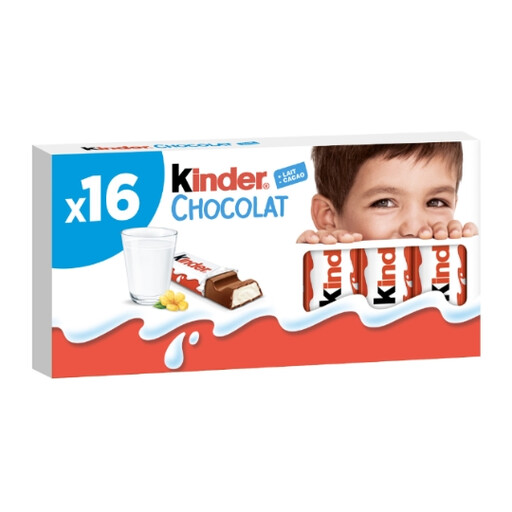 Image unavailable
A pack of 16 bars is better suited to regular lunchbox preparation than to buying a single piece. To compare this chocolate with a bar sold individually, check the weight and nutritional information for the amount you’ll actually pack.
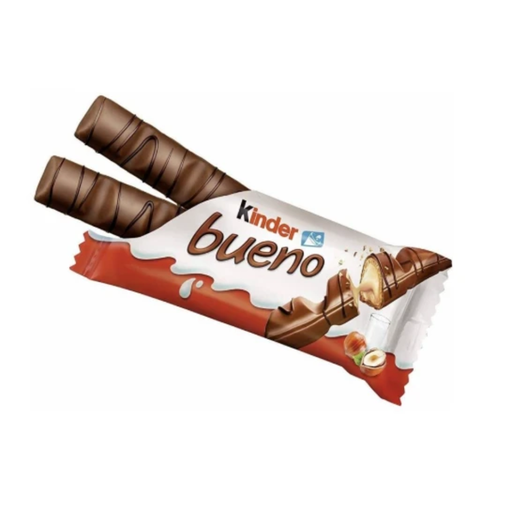 Image unavailable
This bar could suit a one-off purchase, provided you check how it’s packed. The stated weight is 44 g; if you’re using nutritional information for a 21,5 g portion, check how many portions you’ll actually pack.
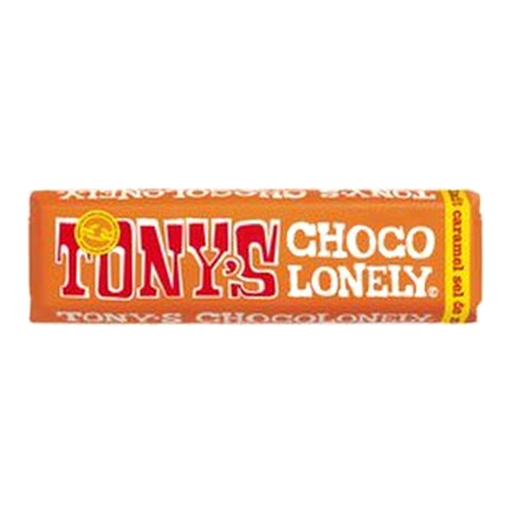 Image unavailable
This 47 g bar is worth considering for a one-off lunchbox. Before buying, check the packaging, allergens and nutritional information for the amount you plan to pack.
No. Santé publique France explains that producers can choose whether to display Nutri-Score. If it appears on the packaging, use it as an additional guide when comparing similar products; either way, check the nutritional information, portion size and ingredients.
Check the exact packaging for any allergens relevant to your child, as well as any school requirements. Recipes listed by Carrefour France include references to hazelnuts, other nuts, milk, soya, wheat and peanuts, depending on the product and whether they are ingredients or may be present.
A bar sold individually is a more straightforward choice for a one-off lunchbox, while a pack of several pieces lets you prepare more than one. Either way, check the weight of each piece, its packaging and ingredients rather than assuming that all individually portioned formats are the same.
No: the scale published by the Bulletin officiel des finances publiques-Impôts applies to non-alcoholic drinks covered by the levy, not to a solid bar of chocolate. When choosing chocolate for a lunchbox, focus instead on its portion size, ingredients and nutritional information.