If you pack a lunchbox regularly, choose between individually wrapped portions and a larger pack to divide up according to the number of portions you need and how much time you want to spend preparing them. If your child has an allergy or follows a specific diet, the ingredients of the exact product and the school’s guidance should take priority over convenience. To compare two recipes, check the nutrition information per 100 g; where it appears on the packaging, Nutri-Score is an additional guide.
Who are these formats for?
Parents who pack a lunchbox every day
An individually wrapped portion saves you having to divide up the biscuits every morning. The number of biscuits in each packet matters just as much as the number of packets in the box: Carrefour, for example, lists two biscuits per packet for Pocket Prince LU, while Auchan lists eight packets of three biscuits for LU chocolate biscuits.
Families managing an allergy or a medically required diet
Start by checking the ingredients and allergen information for the exact product, even if the biscuits are individually wrapped. According to the French Ministry of National Education, an individual support plan (PAI) can set out the adjustments needed at school. Check the school’s guidance too.
People comparing recipes and quantities
To compare biscuits with different weights and pack sizes, check the nutrition information per 100 g, then consider how many you plan to put in the lunchbox. The DGCCRF states that nutrition declarations are mandatory for most prepacked foods; Santé publique France notes that displaying Nutri-Score is voluntary.
What should you check before buying?
First, choose a portion that fits your routine, then check the ingredients and label for each product. An individually wrapped portion is convenient to carry, but it doesn’t guarantee that the ingredients are suitable for your child or that it contains the number of biscuits you want to give them.
| What to consider |
What to check |
Who is it for? |
| Ready-to-pack portion |
Number of packets, biscuits per packet and total weight. |
If you pack a lunchbox every morning, having a portion already wrapped saves you splitting up a larger pack. Around 31% of consumers prioritise having a ready-to-pack portion. |
| Allergens and school guidance |
Ingredients, highlighted allergens, ‘may contain’ statements and any school or PAI guidance, if applicable. |
If your child has an allergy or follows a specific diet, the exact product must be suitable before you even consider its format. This is the top priority for around 31% of consumers. |
| Comparing nutritional information |
Sugars, fat, salt and energy per 100 g; the planned portion size. |
If I’m comparing different recipes, I want to understand what each one contains and what the portion I’m packing amounts to. Around 23% of consumers put this nutritional comparison first. |
| Quantity to divide up |
Net weight, number of possible portions and storage instructions after opening. |
If I’m preparing several lunchboxes from a family-size pack, I need to plan how to divide up and store the biscuits. Managing quantities is the top priority for around 15% of consumers. |
Mistakes to avoid
-
Ruling out a biscuit because it doesn’t display Nutri-Score
According to Santé publique France, manufacturers choose whether to display this logo. Its absence alone doesn’t tell you how the recipe compares.
Compare the nutrition information per 100 g and the ingredients list. Use Nutri-Score as additional information when it’s shown.
-
Assuming an individually wrapped biscuit is suitable for someone with an allergy
Individual wrapping doesn’t change the ingredients. Chocolate biscuit products listed by Carrefour and Auchan, for example, contain allergenic ingredients such as wheat, milk or soya.
Read the label on the product you’re buying, including any ‘may contain’ statements, and follow the school’s or PAI’s guidance where applicable.
-
Choosing based on pack weight alone
Two boxes with different weights won’t necessarily make a proportionate number of lunchboxes: the contents of each packet and your preferred portion size affect how many you can prepare.
Count the packets and the biscuits in each one. If you’re dividing up a larger pack yourself, also check the storage instructions for after opening.
-
Treating the online product listing as the definitive label
The recipe or information shown online may differ from what’s on the pack you receive. A product’s availability in store can also vary.
Check the packaging when it arrives, especially the allergens and the date shown. If you’re planning to buy in store, confirm availability with the store first.
Brands to compare
LU
For comparing pre-portioned options: Carrefour lists Pocket Prince and L’Ourson LuLu in boxes of ten packets, while Auchan stocks chocolate biscuits in eight packets of three.
- The number of biscuits in each packet helps distinguish between these formats.
- Check the ingredients and allergens for each recipe; you can’t tell what they are from the LU name alone.
Milka
For looking at smaller multipacks: Auchan lists Choco Biscuit in two packs of six biscuits, while Carrefour lists Mini Stars in four packets.
- The pack sizes make it easy to compare the number of individually wrapped portions.
- Check the ingredients and nutrition information for the variant you choose rather than assuming they’re the same across the brand.
Carrefour
The supermarket’s own range offers several types of chocolate biscuits to consider, including pocket-sized formats and packs to share.
- You can compare the weight and packaging of products across the range.
- Similar packaging doesn’t mean the recipes, allergens or nutritional information are the same.
Leclerc
E.Leclerc’s P’TIT DELI range includes a milk chocolate tablet biscuit, which is worth considering if you’d prefer to portion it out yourself.
- The product listing helps you identify the product to compare with individually wrapped formats.
- E.Leclerc recommends contacting the store to check whether this product is available.
Auchan
The retailer lists chocolate biscuit bars in individual packets, which you can compare based on how many you need for your lunchboxes.
- Some product listings explicitly state that the items are individually wrapped.
- The products reviewed list wheat, milk and soya among their ingredients; check the exact pack for any ‘may contain’ statements too.
Formats available on Joybuy
These products include chocolate biscuits and similar options, such as wafers and bars, for packing several lunchboxes. The product name and number of items don’t tell you whether each portion is individually wrapped, so check this if it affects your choice.
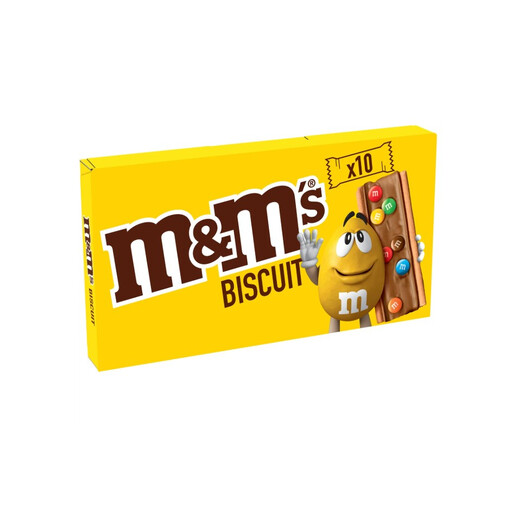 Image unavailable
M&M’s Biscuit Pocket, pack of 10, 198 g
The pack of ten could be useful if you’re preparing several portions to take with you. Check the contents and weight of each item to decide how much to put in the lunchbox, and check the allergens on the exact packaging.
View on Joybuy
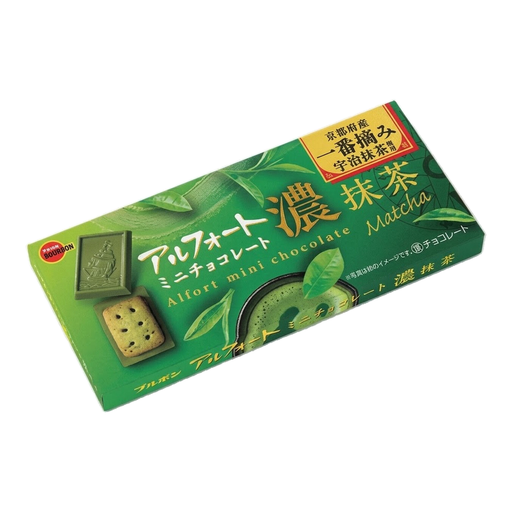 Image unavailable
Bourbon Alfort Mini Chocolate Dark Matcha, 12 pieces, 60 g
The 12 pieces give you the option of dividing up the 60 g pack into several portions. If the amount per lunchbox matters to you, check the weight of each piece. Also check the ingredients and allergen information for this variant.
View on Joybuy
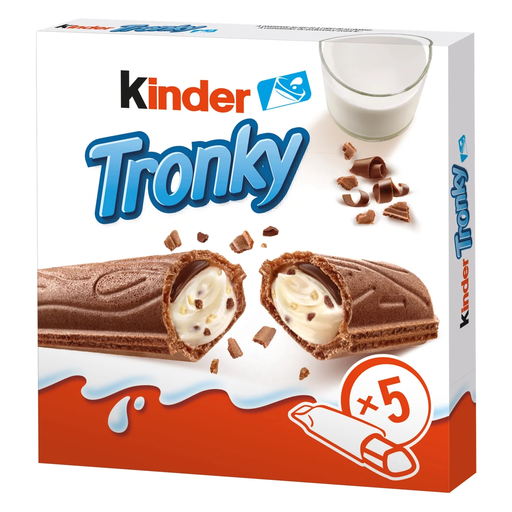 Image unavailable
Kinder Tronky chocolate wafers, 90 g
These wafers are another option if you’re not limiting your choice to biscuits. Before packing them in a lunchbox, check how many pieces are individually wrapped, then read the ingredients and allergen information for the exact product.
View on Joybuy
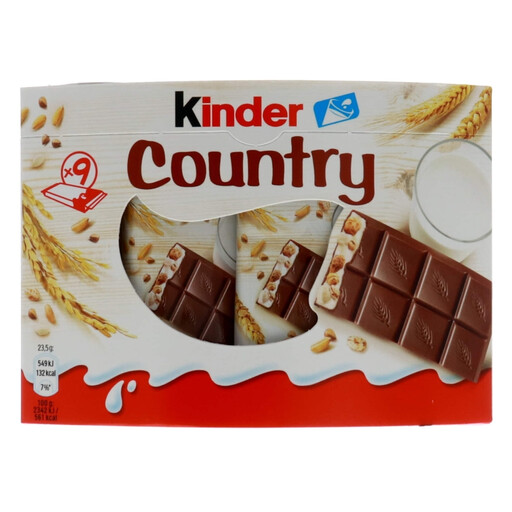 Image unavailable
Kinder Country, pack of 9 bars, 211.5 g
This pack of nine chocolate and cereal bars is different from a multipack of biscuits. If you’d like to put one bar straight into each lunchbox, check that they’re individually wrapped and look at the allergens on the pack.
View on Joybuy
Frequently asked questions
Is Nutri-Score compulsory on chocolate biscuits?
No. Santé publique France says that displaying it is voluntary. However, the DGCCRF states that nutrition declarations are mandatory for most prepacked foods. Compare sugars, fat and salt per 100 g, then consider the portion you’re planning to serve.
Is an individually wrapped portion enough if my child has an allergy?
No. Individual wrapping makes preparation easier, but it doesn’t change the product’s ingredients. Check the highlighted allergens in the ingredients list and any ‘may contain’ statements on the exact packaging. The DGCCRF notes that allergenic ingredients must be highlighted.
Do the same food rules apply in every school?
Check with the school concerned rather than assuming a food is allowed or banned. According to the French Ministry of National Education, a PAI can set out adjustments, including for a pupil who needs a specific diet. Follow the plan if one is in place.
How can I prepare several lunchboxes from a large pack?
Check the total weight and how much you want to put in each lunchbox, then follow the product’s storage instructions after opening. If you’d rather avoid dividing up the biscuits yourself, compare the number of packets in a multipack and how many biscuits each contains.


