
Livraison le jour même ou le lendemain

Qualité garantie

Débloquez vos offres de bienvenue: Livraison GRATUITE | Jusqu'à -80 % | 30 jours d'essai gratuits à JoyPlus
Téléchargez l'application
Packing your own lunch, whether for the office, school, or a picnic, has become a daily routine for many. However, finding the perfect lunch box can often feel like an uphill battle. Between marketing promises and real-world performance, it's easy to end up with a disappointing product. This guide is here to help you see clearly and make a smart, sustainable choice.
Before you even start looking at models, it's best to know the deal-breakers that can turn a good idea into a nightmare after just a few weeks.
To avoid these traps, you just need to check a few key points. These are the details that make all the difference between a purchase you'll regret and a reliable meal companion for years to come.
This is the starting point. The main contest is between plastic and stainless steel.
For those who love a hot meal even at the office, an insulated lunch box is a must. The secret to their effectiveness? A vacuum-insulated double wall. A good hot food thermos can keep a dish at the right temperature for several hours. Here, the devil is in the details: a thick silicone seal and a well-designed screw-on lid are the keys to flawless insulation and a leak-proof seal.
A compartmentalised food container is ideal for separating your starter, main course, and dessert, and avoiding the tragedy of a soggy crouton. It's a real plus for creating balanced and varied meals. For a snack, a more compact snack box will do the job perfectly.
To help you make your choice, here are a few models that meet specific needs.
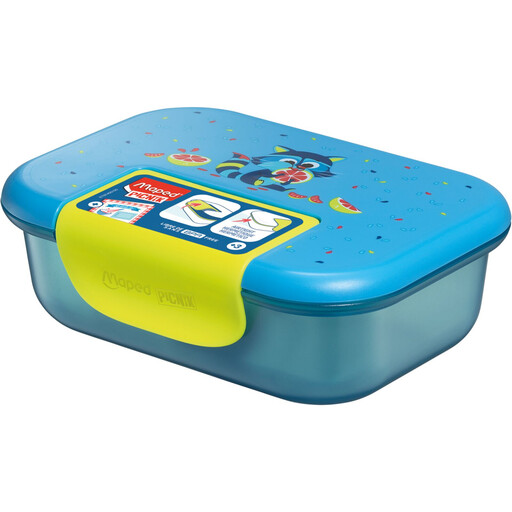
Why it's a great choice: Ideal as a kids' lunch box, it combines the sturdiness of stainless steel with a fun design. It was designed to help young children be more independent, whether at the canteen or on a school trip.
Its stainless steel body says goodbye to odours and stains. The attached lid and simple locking clip prevent lost parts and opening struggles. No more headaches from impractical designs!
Easy-to-handle fluorescent locking clip. Attached lid so it never gets lost. Dishwasher-safe for easy cleaning.
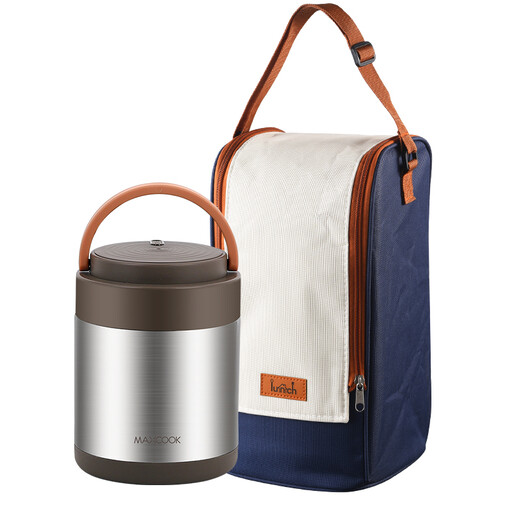
Why it's a great choice: This hot food thermos is designed for those who can't imagine a lunch break without a warm, comforting meal. Its large capacity and thermal performance make it an ultra-reliable lunch container for work.
Its vacuum insulation technology and screw-on lid with a sealing gasket ensure impeccable heat retention and a leak-proof seal. The 304 stainless steel resists corrosion and odours.
Maintains temperature (hot or cold) for 4 to 6 hours. Wide opening for easy filling, serving, and cleaning.
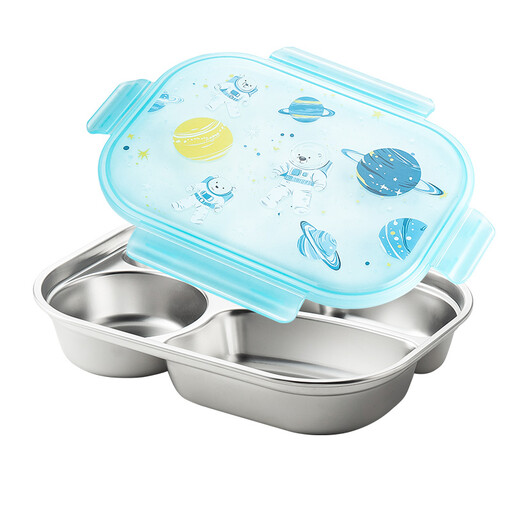
Why it's a great choice: Perfect for *meal prep* enthusiasts who love to assemble complete lunches. This compartmentalised food container ensures that every flavour stays in its place, with no unwanted mixing.
The 316 stainless steel, a step above 304, provides even better resistance to corrosion and stains. The fixed compartments simplify cleaning and prevent you from losing dividers.
Four compartments for perfect meal organisation. Surgical-grade material (316 stainless steel) for maximum durability and hygiene.
Discover our complete selection of lunch boxes that meet our demanding quality charter and current safety standards.
The advantage of stainless steel is that it's naturally odour-resistant. A simple wash with hot, soapy water or a run through the dishwasher is usually enough. For the most stubborn odours, a simple trick works wonders: let the box soak in a mixture of hot water and baking soda for a few hours before rinsing.
Yes, as long as you choose a model labelled "BPA-free" and compliant with European food contact standards. As a precaution, avoid reheating your food in the microwave directly in the plastic, unless the manufacturer clearly states it is safe for this use.
Think of 304 stainless steel as the high-quality standard for most kitchen utensils. It's durable and perfectly resistant to corrosion under normal use. 316 stainless steel is the premium version: it contains molybdenum, an addition that boosts its resistance to corrosion, especially from salt and acidic foods (like vinaigrette or tomato sauce). In either case, you're making an excellent choice for a lunch box, but 316 offers extra peace of mind for the very long term.