
Livraison le jour même ou le lendemain

Qualité garantie

Débloquez vos offres de bienvenue: Livraison GRATUITE | Jusqu'à -80 % | 30 jours d'essai gratuits à JoyPlus
Téléchargez l'application
Salad dressing flooding your work bag, tomato sauce permanently staining your plastic container, or that curry smell that lingers forever… Choosing a lunch box might seem simple, but a few details can quickly turn your lunch break into a nightmare.
As a product expert at Joybuy, my mission is to guide you. To ensure you don't regret your purchase, here are the most common pitfalls to avoid:
To find the perfect lunch box, it's better to rely on objective technical criteria than on marketing promises.
The choice of material determines the use, durability, and maintenance of your lunch box.
A leak-proof seal is non-negotiable. Lids with simple clips can quickly show their limits. For total peace of mind, opt for four-sided locking systems equipped with a removable silicone seal. The seal creates a foolproof barrier against leaks and can be removed for a thorough cleaning, ensuring perfect hygiene.
The size of your container should match your appetite. For a full meal, a capacity of 800?ml to 1.2?L is generally ideal. Compartmentalised containers, like a Japanese bento box, are perfect for separating foods and mixing things up.
For meal prep enthusiasts, stackable containers of the same size are a real bonus for optimising space in the fridge and cupboards, and they greatly simplify kitchen organisation. For younger users, a smaller, easy-to-open kid's snack box will obviously be more suitable.
Here are a few models that cater to specific user profiles, based on the criteria we've just discussed.

Why we chose it: This set of 10 borosilicate glass containers (5 large, 5 small) is the perfect arsenal for meal preppers who plan their week's meals. Glass remains the healthiest and most versatile material for food storage.
The glass body is resistant to both stains and odours, unlike plastic. The locking lids with silicone seals definitively solve the problem of leaks.
A complete, stackable set that is oven (without lid), microwave, and freezer safe for streamlined organisation.
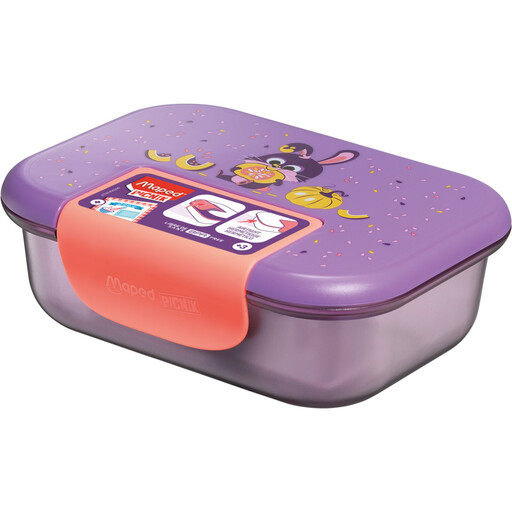
Why we chose it: Designed for kids, this box combines the sturdiness of stainless steel with clever details for the school day: an easy-open clip and an attached lid that won't get lost.
The large clip is easy for little hands to manage, and the attached lid puts an end to the headache of lost parts. The stainless steel build can withstand the rough and tumble of a school bag.
A design focused on children's independence, with a durable stainless steel container construction that's dishwasher-safe for effortless cleaning.
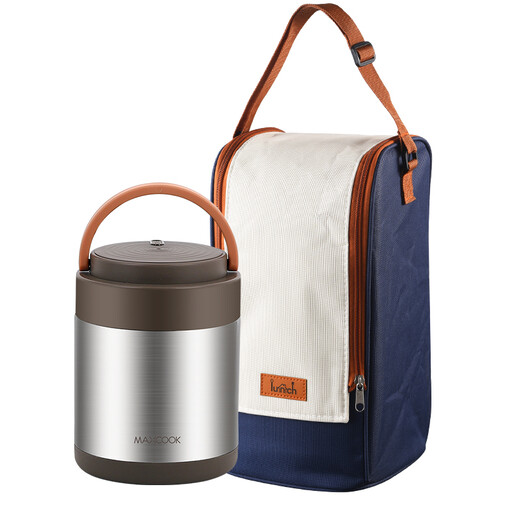
Why we chose it: Perfect for those who want to enjoy a hot meal at the office or on the go, without needing a microwave. Its large capacity allows you to pack a generous meal.
This insulated food jar makes the microwave obsolete, and its leak-proof design guarantees disaster-free transport.
The vacuum insulation keeps food hot for several hours. Its wide opening makes filling, serving, and cleaning simple.
Glass remains a reliable choice for its neutrality and durability. We've put together a complete selection of products that meet our demanding selection criteria.
To neutralise odours, fill the container with a mixture of warm water and baking soda (one tablespoon is enough). Let it sit for several hours, ideally overnight, then rinse thoroughly. Letting the container air dry completely with the lid off also helps to dissipate any lingering smells.
No, never. You should never place any metal object, including a stainless steel container, in a microwave oven. Metal reflects microwaves, which can cause sparks (arcing) and irreversibly damage your appliance. Always check the manufacturer's instructions.
With proper care (regular cleaning without abrasive products or sharp objects), a quality silicone seal can last for several years. If it becomes dry, cracked, warped, or no longer seals properly, it is no longer leak-proof. It's then time to replace it (if the manufacturer offers spare parts) or get a new container to avoid disasters.