
Livraison le jour même ou le lendemain

Qualité garantie

Débloquez vos offres de bienvenue: Livraison GRATUITE | Jusqu'à -80 % | 30 jours d'essai gratuits à JoyPlus
Téléchargez l'application
Bringing your lunch to the office or on the go is a great way to eat healthier, save money, and be more eco-friendly. Yet, finding the perfect lunch box can be a real headache. A lid that leaks all over your bag, plastic that soaks up the smell of yesterday's curry, compartments that let salad dressing drown your sandwich... These small daily disasters can turn a good intention into a major source of frustration.
To ensure you don't regret your purchase, let's review the marketing traps and design flaws that can render a food container useless after just a few weeks.
Fortunately, avoiding these disappointments is as simple as focusing on a few simple, yet absolutely essential, technical criteria.
Choosing the right food container goes far beyond its design. The material, the locking system, and your intended use are the three pillars of a successful purchase.
Each material has its pros and cons, and is suited to very specific needs.
A foolproof seal is non-negotiable. The most effective systems combine two key elements:
Finally, consider your primary use case.
To help you decide, here’s how these criteria apply in practice with a few models tailored to specific needs.
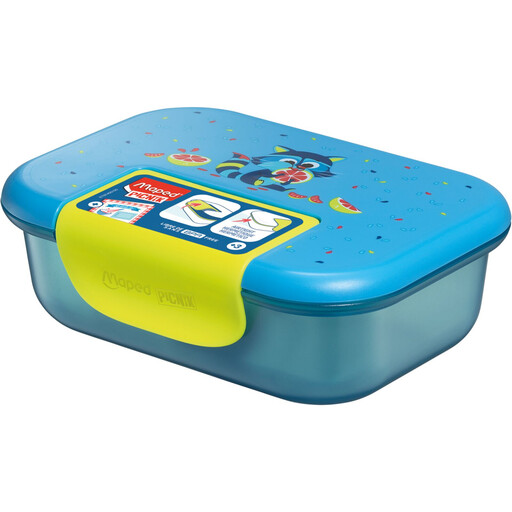
Editor's Pick: Designed for little hands with its large, easy-to-use clip and an attached lid that won't get lost at school. Its sturdy build makes it a reliable companion for lively break times.
Its stainless steel base is shock-resistant and, unlike many plastics, won't retain stains or odours. The attached lid solves the recurring problem of lost parts.
Easy-to-open clip (and it glows in the dark!) to promote independence; lid is attached to the base so you'll never have to look for it again.

Editor's Pick: Perfect for preparing meals in large quantities. Its generous capacity and versatility (freezer, oven, microwave) allow you to cook, store, and reheat all in the same dish.
The non-porous borosilicate glass won't stain or absorb any odours. Its four-clip locking system ensures a reliable seal, which is essential for fridge storage.
Goes from the freezer to the oven (without its lid), radically simplifying prep. Its large 2-litre capacity is perfect for family-sized meals or batch cooking.
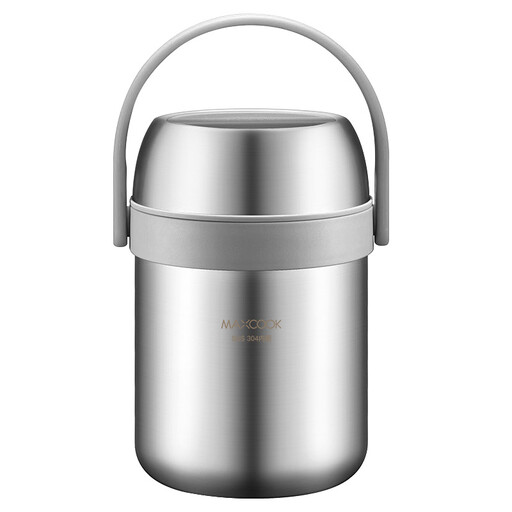
Editor's Pick: Perfect for carrying soups, stews, or saucy dishes and enjoying them piping hot, even without a microwave nearby, thanks to its vacuum insulation.
It solves the problem of meals arriving cold at the office. Its wide mouth makes it easy to fill, clean, and eat directly from, avoiding the frustration of narrow, traditional thermoses.
Keeps food hot for 4-6 hours (manufacturer's claim). Made from 304 stainless steel, a durable and hygienic material.
We have curated a full range of products that meet our selection criteria and current safety standards.
For most containers, a simple wash with hot, soapy water is sufficient. For stubborn odours embedded in plastic, soak the container for a few hours in a solution of water and white vinegar (or baking soda) before rinsing. Don't forget to remove and clean the silicone gasket separately—that's often where odours get trapped!
No, never! Under no circumstances should you place a metal object, including a stainless steel container, in a microwave oven. You risk causing sparks, damaging your appliance, or even starting a fire. Stainless steel is an excellent choice for its durability and for storing food, but it is completely incompatible with microwave heating.
Borosilicate glass contains boron trioxide, which makes it much more resistant to thermal shock (sudden temperature changes) than ordinary glass. In practical terms, this means a borosilicate glass container can go from the refrigerator directly into the oven without the risk of cracking. That's what makes it so versatile and safe for kitchen use.