
Livraison le jour même ou le lendemain

Qualité garantie

Débloquez vos offres de bienvenue: Livraison GRATUITE | Jusqu'à -80 % | 30 jours d'essai gratuits à JoyPlus
Téléchargez l'application
Whether it's for the kids' school cafeteria, a lunch break at the office, or an impromptu picnic, the lunch box has become a daily essential. But with an overwhelming number of options, choosing the right model can be a real headache. Between tempting marketing promises and real-world use, disappointment is often just around the corner. Let's break down the pitfalls to avoid and the key criteria for a successful purchase.
A poor choice can quickly turn your lunch break into a source of daily frustration. Here are the most common flaws that relegate a lunch box to the back of the cupboard after just a few weeks.
To avoid these traps, it's best to stick to objective criteria. Here are the key points to inspect to judge the true quality of a lunch box and ensure it meets your needs.
The choice of material is crucial: it determines the durability, hygiene, and even the practicality of your lunch box.
A foolproof seal relies on a winning combination: a thick, perfectly fitted silicone gasket paired with a robust locking system. Models with locking clips on all four sides are often the most reliable, as they distribute pressure evenly. For children, choose wide, easy-to-operate clips to promote their independence.
The configuration of your lunch box should adapt to your meals.
To illustrate these criteria in practice, here are a few models that meet specific needs while sidestepping the pitfalls we've discussed.
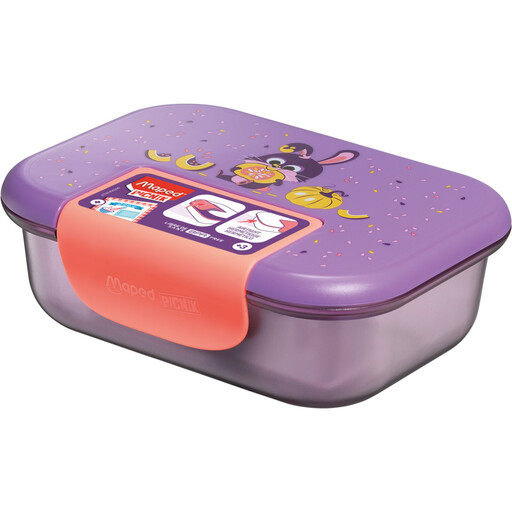
Why this model stands out: Specifically designed for children, this model cleverly combines practicality and durability. Its large clip is child's play to handle, promoting their independence. The stainless steel base, meanwhile, is playground-proof.
Its lid is attached to the base (impossible to lose!) and its ultra-simple single-clip closure system avoids the trap of complicated ergonomics.
Its stainless steel base is hygienic, dishwasher-safe, and retains no odours. A flawless performance.

Why this model stands out: This set of three complementary sizes (600, 1100, and 2200 ml) is the perfect partner for meal prep enthusiasts. They are stackable, optimising space in both the fridge and cupboards.
This set relies on 316 stainless steel, a superior quality alloy that is more resistant to corrosion (especially from salt and acids) than 304 stainless steel. This is a guarantee of longevity that eliminates the risk of premature degradation.
The versatility of the set, with its three sizes, allows it to adapt to all types of preparations. The containers are freezer and dishwasher-safe.
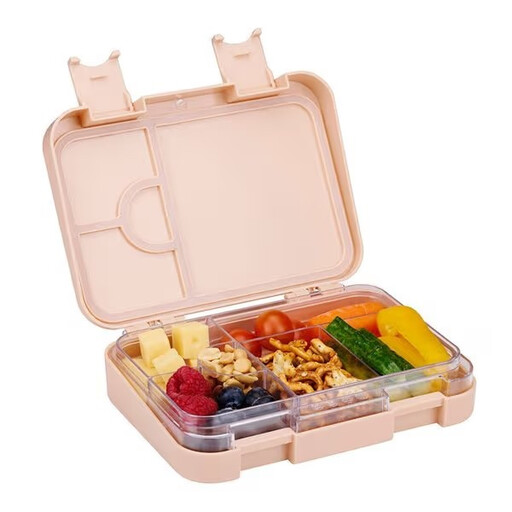
Why this model stands out: This bento is the dream solution for those who demand that every food item stays in its place. Its six compartments allow you to create a complete and varied meal, separating the main dish, sides, and snacks, with no risk of them mixing.
It perfectly solves the problem of impracticality. Its rigid and well-defined structure is infinitely more functional than a large single container where all the food ends up in a mush.
Its 6 compartments are perfect for portion control and adding variety. A significant bonus: the box is dishwasher-safe, making cleanup much easier.
Discover our full selection of products that meet our quality criteria and current safety standards.
For a plastic container, the secret is to wash it immediately after use. If an odour lingers, fill it with a mixture of warm water and baking soda, let it sit for a few hours with the lid open, then rinse. For stainless steel and glass, a run through the dishwasher or a standard wash is enough to eliminate any stubborn smells.
The answer is no, and this is a golden rule: never put metal, including a stainless steel lunch box, in a microwave. You risk causing sparks and irreversibly damaging your appliance. To reheat your meal, simply transfer it to a microwave-safe plate or container.
Both of these are food-grade steels. 304 stainless steel, the most common, is perfectly suitable for everyday use. 316 stainless steel, however, contains molybdenum, an addition that significantly increases its resistance to corrosion (especially from salt and acidic foods). It is therefore considered a more premium option, guaranteeing maximum durability.