
Livraison le jour même ou le lendemain

Qualité garantie

Débloquez vos offres de bienvenue: Livraison GRATUITE | Jusqu'à -80 % | 30 jours d'essai gratuits à JoyPlus
Téléchargez l'application
Packing your lunch for the office, university, or an outing is the perfect way to eat healthier and save money. But choosing the right bento box can quickly become a headache. Faced with a jungle of available models, it's easy to make a bad choice and regret your purchase after just a few weeks. To help you get it right, here are the most common pitfalls to avoid.
To avoid these disappointments, it's best to focus on the few features that truly matter.
Design is nice, but practicality is better. To ensure you don't regret your purchase, three criteria should absolutely guide your choice.
The material of your lunch box directly impacts its durability, maintenance, and daily use.
A leak-proof container is a must-have for carrying saucy dishes or a pre-dressed salad. The secret? A removable silicone gasket (easier to clean) and a sturdy four-sided locking clip system.
For fans of complete meals, the compartmentalized bento is the ultimate solution. It allows you to separate your main dish, side, and dessert, preventing flavors and textures from turning into an unappetizing mush.
Before you buy, make it a habit to check the compatibility icons on both the container AND its lid.
To guide you, we've selected three products that check all the boxes for quality and practicality, each tailored to a specific user profile.
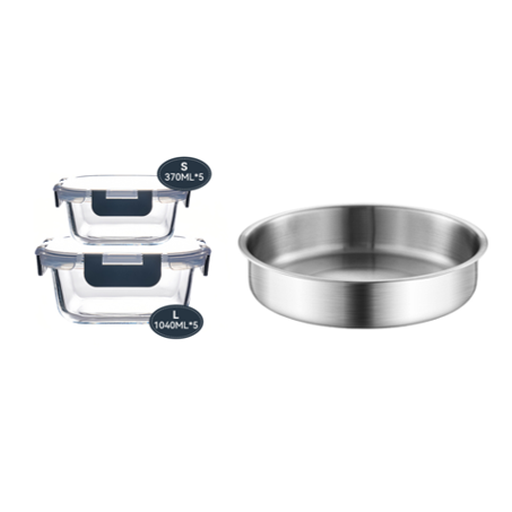
Why we love it: This complete set is the dream solution for *batch cooking* fans. Its borosilicate glass containers let you cook, freeze, transport, and reheat in the very same dish. The full cycle, with no extra dishes.
The high-quality glass doesn't stain or retain any odors, which solves the problem of low-grade materials. The locking lids guarantee an excellent seal.
A 10-piece set in two different sizes to easily organize your entire week. Fully freezer, microwave, and dishwasher safe.
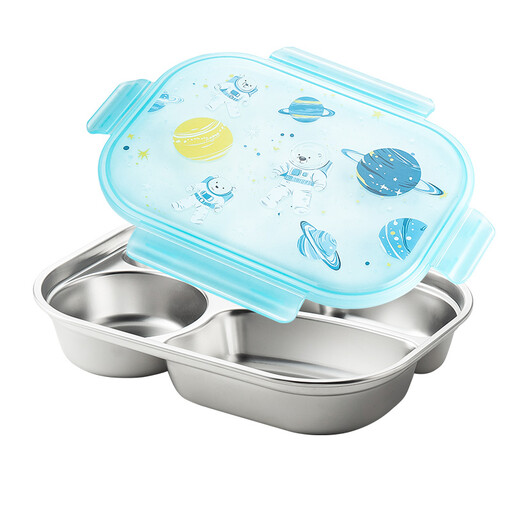
Why we love it: Perfect for kids' lunches and for adults who like everything to stay in its place. Its 316 stainless steel construction makes it an ultra-durable ally for daily use.
With its 4 compartments, no more mixed-up food! The superior-quality 316 stainless steel prevents stains and odor retention.
A premium, food-safe material (316 stainless steel) with fixed compartments for a perfectly organized meal. The playful lid design is sure to please kids.

Why we love it: This set of three 316 stainless steel containers in different sizes offers complete flexibility. Ideal for packing a full meal, storing leftovers, or carrying a snack.
It avoids the 'false versatility' trap by offering a complete, stackable system that is freezer and dishwasher safe, adapting to all your needs.
Three sizes (600ml, 1100ml, 2200ml) in a premium material (316 stainless steel) for impeccable durability and hygiene. The containers nest for space-saving storage.
Explore our full selection of products that meet our quality criteria and current safety standards.
As a general rule, no. Metal reflects microwaves instead of absorbing them, which prevents food from heating and can even damage your appliance. The best practice is to always transfer the contents to a microwave-safe plate or container before reheating.
Ideally, you should wash your lunch box right after using it. For stubborn odors, especially on plastic, an old-fashioned trick works wonders: soak the container for a few hours in a mixture of hot water and baking soda (or white vinegar) before washing it as usual. Note that glass and stainless steel are virtually immune to this problem.
Both of these stainless steel types are food-grade. The main difference? 316 stainless steel contains molybdenum, an addition that significantly enhances its resistance to corrosion, especially from salts and acids found in things like tomato sauce or salad dressing. For a food container intended for intensive and long-lasting use, 316 stainless steel is a true mark of superior quality.