Students preparing a portion on campus
A pre-portioned sachet can make measuring easier. Before relying on it for lunch, check the preparation instructions and make sure you’ll have access to boiling water and a suitable container.


For lunch at university, start by deciding where you’ll prepare it. A large bag is a good choice if you regularly make portions at home, while pre-portioned sachets make measuring easier on campus, provided you have access to the equipment specified on the packaging. A tin of vegetables or chickpeas can go with couscous, but may not replace the grain base. Check the product name and ingredients for each item.
A pre-portioned sachet can make measuring easier. Before relying on it for lunch, check the preparation instructions and make sure you’ll have access to boiling water and a suitable container.
A 1 kg bag may suit regular use, as long as you can keep it in a dry place and seal it properly after opening.
Durum wheat couscous contains gluten. Check the label of every product, including any warnings about possible traces. If you need to avoid gluten, look for a product explicitly labelled gluten-free.
First decide where you’ll prepare the couscous, then choose a quantity you’re likely to use and the accompaniment you’d like.
| Criterion | What to check | Who is it for? |
|---|---|---|
| Preparing a single portion | Preparation method, access to boiling water and the quantity in each sachet. | Between lectures, I want to make a single portion without having to measure it. Around 29% of consumers would make this their top priority. |
| How often you’ll use it and storage | A format that suits the number of meals you plan to make, and storage instructions after opening. | If I cook several lunches at home, I can use a large bag rather than leave it open for a long time. This would be the priority for around 29% of consumers. |
| Ingredients and allergens | Whether it contains wheat, whether it is labelled gluten-free if needed, and any declared traces. | Before choosing a format, I need to know whether its ingredients suit my dietary requirements. Around 24% of consumers would put this check first. |
| Meals with tinned foods | The product name, ingredients and net quantity of the tin. | When putting together lunch with cupboard staples, I want to tell the couscous apart from its topping. This would come first for around 18% of consumers. |
Vegetables or couscous sauce won’t necessarily provide the grain base for your meal.
Read the product name and, if you want to serve the two together, buy the dry couscous and its accompaniment separately.
Couscous made from durum wheat contains gluten. Other allergens may also be listed in warnings about possible traces.
Check the ingredients and allergen information on every pack. If you need to avoid gluten, look for a product explicitly labelled gluten-free.
An opened bag is less suitable for occasional use if you can’t protect it from moisture.
Choose a format to suit the meals you have planned and follow the storage instructions on the pack.
A bag that gets damp or goes unused can lead to waste.
If your lunch contains ingredients that need to be kept chilled, the journey to university is part of your preparation. Anses highlights the importance of maintaining the cold chain for these foods.
Use a suitable way to transport the ingredients and follow the storage instructions and date shown on each product.
The range includes durum wheat couscous in cooking sachets and larger bags.
The retailer offers couscous in a range of formats, as well as a maize couscous product labelled gluten-free.
The retailer offers 1 kg couscous packs, including products sold under the ECO+ and Comptoir du Grain names.
The retailer offers medium-grain couscous in 1 kg and 500 g packs, as well as cooking sachets.
This selection includes dry couscous in 1 kg bags for several meals, plus cooked chickpeas to choose separately from the couscous.
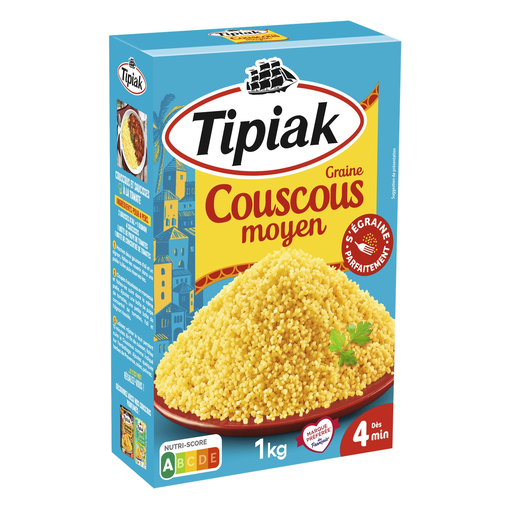 Image unavailable
This large bag is a good choice if you’re planning several couscous meals. If you’re preparing it at university, check the pack instructions and what equipment you’ll have access to.
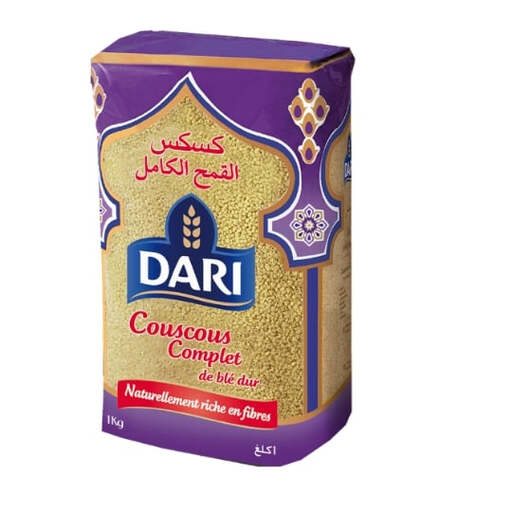 Image unavailable
This pack is for anyone who wants to prepare several portions of wholegrain couscous. The Joybuy listing specifies whole durum wheat and 9,9 g of fibre per 100 g. Check the preparation method if you plan to use it on campus.
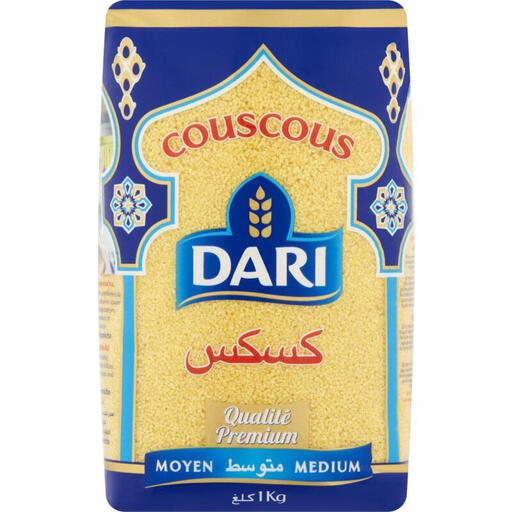 Image unavailable
This dry format can be used as the base for several lunches, with an accompaniment of your choice. Check the preparation instructions before planning to cook it at university.
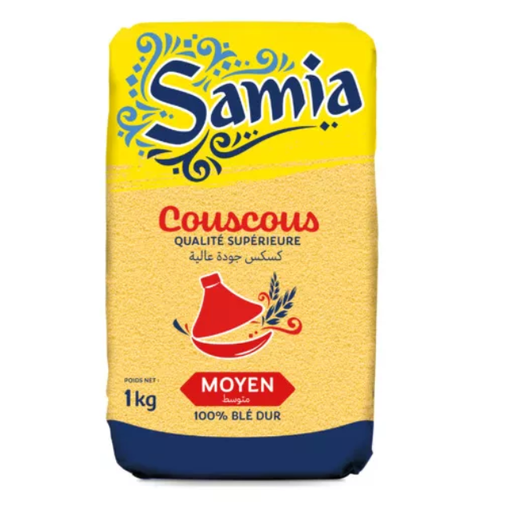 Image unavailable
This 1 kg bag is a handy cupboard staple if you plan to use the couscous more than once. Check the pack for the storage and preparation instructions for this product.
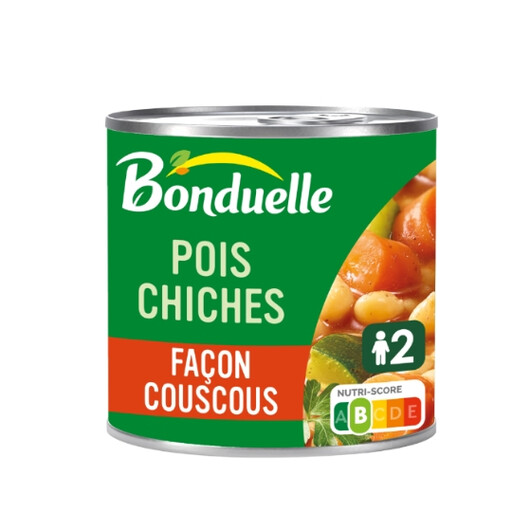 Image unavailable
This product can accompany couscous bought separately: it’s cooked chickpeas, not a pack of dry couscous. Check the ingredients and storage instructions after opening if you’re preparing lunch in advance.
It depends on what’s inside. Vegetables or chickpeas cooked in couscous sauce can go with couscous, but may not provide the grain base. Check the product name and ingredients; a ready meal is a separate category altogether.
Don’t choose durum wheat couscous based on its format alone: it contains gluten. Look for a product explicitly labelled gluten-free and check all the ingredients and allergen information on its packaging.
To compare products before buying, check their product names, ingredients, highlighted allergens, net quantity and date. The Directorate-General for Competition, Consumer Affairs and Fraud Control (DGCCRF) sets out the labelling rules that apply to pre-packaged food sold in France.
Choose a suitable way to transport the ingredients in your meal. If any need to be refrigerated, keep them chilled during the journey. Anses recommends using an insulated bag to transport chilled products.
No. According to Anses, the use-by date (DLC) applies to perishable foods that can pose a microbiological risk and must not be exceeded. The best-before date (DDM) indicates how long the product is expected to retain its qualities. Check which date appears on the couscous, tin or any other ingredient you choose.