
Livraison le jour même ou le lendemain

Qualité garantie

Débloquez vos offres de bienvenue: Livraison GRATUITE | Jusqu'à -80 % | 30 jours d'essai gratuits à JoyPlus
Téléchargez l'application
LU chocolate biscuits have long been a staple in French kitchen cupboards. But not all of them are suited to the same occasions. With filled biscuits, chocolate-coated biscuits, soft cakes and individual portions to choose from, the decision can quickly turn into a disappointing purchase.
Before filling your basket, three common pitfalls are worth bearing in mind:
To compare LU chocolate cakes and the brand’s other biscuits properly, it is therefore better to look at the ingredients, format and occasion, rather than judging the packaging by its appearance alone.
The word ‘chocolate’ does not guarantee the same experience from one product to another. It may refer to cocoa powder, a filling, a chocolate layer or simply a coating.
The product information helps you tell the difference. LU Napolitain Pocket, for example, contains 6.5 % chocolate powder and 7.5 % eggs. Petit Écolier Choco Blanc, meanwhile, states that its white chocolate layer represents 45 % of the product.
Weight remains essential when comparing a chocolate snack or an assortment of LU biscuits. A 90 to 150 g pack is better suited to an occasional break, while a 600 g format is more appropriate for family storage or sharing.
Also check whether the pack contains separate sachets. LU LULU L’OURSON, for example, is sold in five sachets, with a total weight of 150 g. Petit Écolier au lait comes as six individually wrapped biscuits, weighing 120 g. This type of packaging limits exposure to moisture and is easy to slip into a bag or lunchbox.
The ingredients list deserves careful attention before purchase, particularly for children and anyone with allergies or intolerances. Depending on the product, allergens must be indicated on the packaging: wheat, milk, eggs, soya or nuts.
Several products in the selection presented here contain wheat, milk and soya. Some may also contain traces of nuts. As recipes and nutritional information may change, the label on the pack you receive remains the only reference to check before eating.
To put the different products into perspective, the stated values per 100 g range from around 392 kcal for LULU L’OURSON to 513 kcal for Petit Écolier au lait. These figures are not intended to sum up the nutritional balance of the products; they are mainly useful for comparing references and adjusting portion sizes.
The products below suit different purchasing profiles. The benefits mentioned are based on the features stated in the product information.
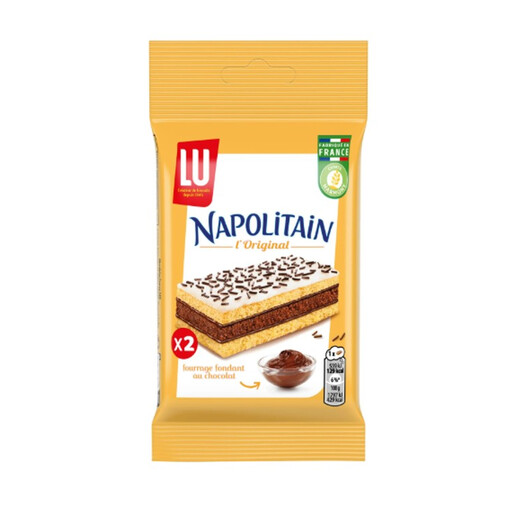
Why this choice suits this profile : At 60 g, this small format lets you try the product or enjoy an occasional snack without committing straight away to a large LU biscuit assortment.
The net quantity is clearly stated, while the two-piece pack prevents you from ending up with a disproportionate stock of biscuits.
A soft cake containing 7.5 % eggs and 6.5 % chocolate powder. Contains wheat, eggs, milk and soya.
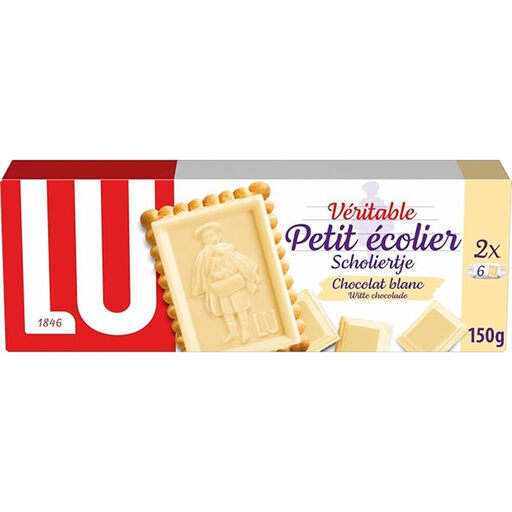
Why this choice suits this profile : This product is designed for anyone who enjoys a generous combination of buttery biscuit and white chocolate, perfect with tea or coffee.
The product information clearly distinguishes the biscuit base, stated as 55 %, from the white chocolate layer, which represents 45 % of the product.
A 150 g format containing 4.9 % pastry butter. This product contains wheat, milk and soya.
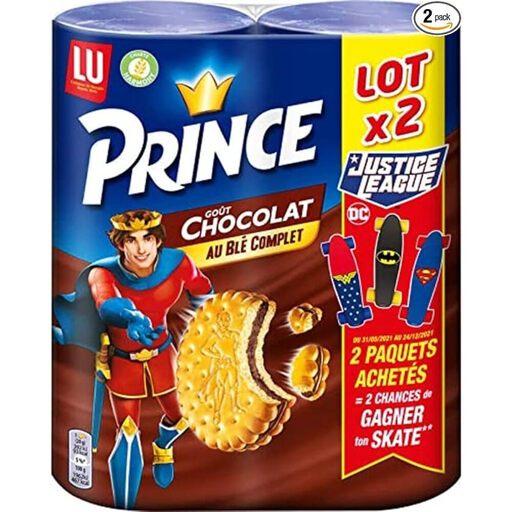
Why this choice suits this profile : The twin 300 g format is ideal for families, regular snack breaks and anyone who likes to keep a reserve of biscuits to hand.
The two 300 g packs mean you can open one at a time, rather than exposing the entire quantity to moisture.
7.7 % wholemeal flour, 4 g of fibre per 100 g as stated, and an indicative portion of around 20 g per biscuit.
We have put together a complete, real-time updated selection of products that meet these buying criteria as well as European safety requirements.
Chocolate biscuits should generally be kept in a cool, dry place, away from heat and moisture. After opening, an airtight container can help preserve their crunch, provided the biscuits are still completely intact.
The best-before date appears on the packaging. It indicates the period during which the product is expected to retain its taste and other qualities when stored under the recommended conditions. Once the pack has been opened, the texture may deteriorate more quickly, particularly with chocolate-coated biscuits and soft cakes.
For a lunchbox, individual formats such as LU LULU L’OURSON or the separate portions of Petit Écolier au lait are particularly practical. However, remember to check the allergens, portion size and condition of the packaging before giving them to your child.
It depends on the product, packaging and storage conditions. Reseal the pack carefully and keep it in a dry place. To find the relevant date, check the packaging of the product you purchased directly.
Start by comparing the price per kilogram, then take the number of portions and the type of product into account. A family pack is not necessarily better value if some of it remains open for too long or if the portions do not suit your usual habits.