People keeping an eye on salt
You want to compare the salt in pasta without forgetting the salt you add to the cooking water or the salt in sauces, condiments and cheese served with it.


If you’re looking for pasta for a low-fat meal while keeping an eye on salt, compare the nutritional values of plain dried pasta, then consider separately the salt added during cooking and the salt in the sauce. Wholewheat pasta may also suit you if you’re looking for wholegrains, while egg pasta is worth comparing directly for its fat content. A low salt value alone is not enough to establish that a product carries a reduced-salt claim.
You want to compare the salt in pasta without forgetting the salt you add to the cooking water or the salt in sauces, condiments and cheese served with it.
You compare the fat and saturated fat in each recipe, then choose an accompaniment with the whole meal in mind.
You’re looking for wholewheat pasta and checking its fibre content too, without assuming that the word ‘wholewheat’ tells you how much salt or fat it contains.
When choosing pasta, first compare values given on the same basis, such as per 100 g of dried product. Then consider what cooking and accompaniments will add to the meal.
| Criterion | What to check | Who is it for? |
|---|---|---|
| Salt in the meal | The ‘salt’ value per 100 g on the exact pack, followed by the salt added during cooking and in the accompaniment. | If I’m watching my salt intake, choosing low-salt pasta doesn’t answer the question of what’s in the sauce and condiments. Around 45% of consumers concerned about this would put the total salt in the meal first. |
| Fat | The fat and saturated fat per 100 g in comparable products, as well as the ingredients in the recipe. | When putting together a low-fat meal, I want to be able to distinguish the pasta recipe from what I’ll add afterwards. This would be a priority for around 36% of consumers. |
| Wholegrains and fibre | The wholewheat labelling and the ‘fibre’, ‘fat’ and ‘salt’ values for the product you’ve chosen. | If I also want to choose wholegrains, I check the fibre content without drawing conclusions about salt or fat. Around 19% of consumers would make this their first criterion. |
The value printed on the pack doesn’t include anything added during preparation. ANSES lists sauces, condiments and cheese among dietary sources of salt.
Compare the ‘salt’ value for the pasta, then decide separately whether to season the cooking water and check what you plan to serve with it.
According to the product information for the two specific products, Lustucru lists 1.9 g of fat per 100 g for its quick-cook spaghetti and 3.5 g per 100 g for its short egg spaghetti. These values don’t represent all quick-cook or egg pasta.
Compare the values per 100 g and the ingredients for the specific products, rather than relying on their shape or cooking time.
If it appears on the packaging, this rating doesn’t tell you the amounts of salt and fat you want to compare.
Read the nutritional information and ingredients list for each product.
Egg pasta has a different recipe from plain pasta, and a retailer’s product information may not match every pack you receive.
If an ingredient or allergen matters to your choice, check the information on the packaging of the product you buy.
The range includes classic and wholewheat pasta. The latter may appeal if you’re also looking for wholegrains.
The brand offers pasta in a range of shapes and recipes, which you can compare according to what you’re looking for.
The brand’s dried pasta and egg pasta recipes have different compositions, so it’s worth checking them separately.
The range includes plain and wholewheat pasta. Compare the product information for the options you’re interested in.
The range includes standard and wholewheat spaghetti, including products under the Carrefour brand.
The range includes penne and spaghetti, with wholewheat options too.
These products cover two types of pasta, plain and wholewheat, as well as a konjac alternative. If you’re looking for classic pasta, treat the alternative separately from the wheat-based products. For each option, check the nutritional information and what you plan to serve with it.
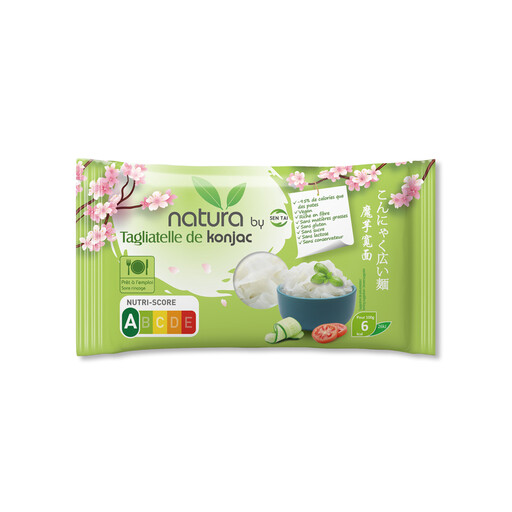 Image unavailable
Worth considering if you’re looking for an alternative to classic pasta rather than a wheat-based recipe. Size: 250 g. Check the salt and fat values on the exact packaging, and don’t assume that a low value means the product carries a reduced-salt claim.
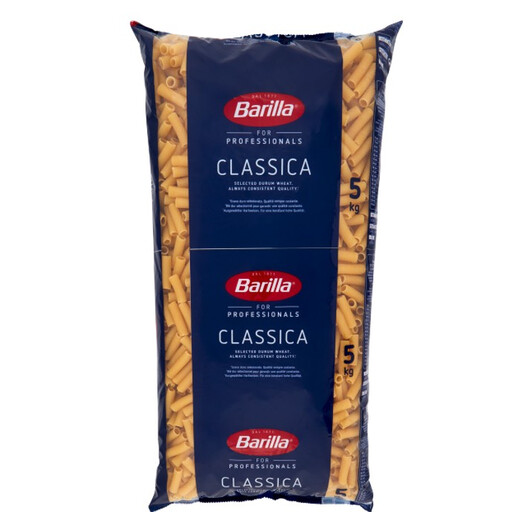 Image unavailable
Worth considering if you want to prepare plain pasta and choose the sauce separately. Size: 5 kg. Check the salt and fat values on the product, then take into account any salt added during preparation.
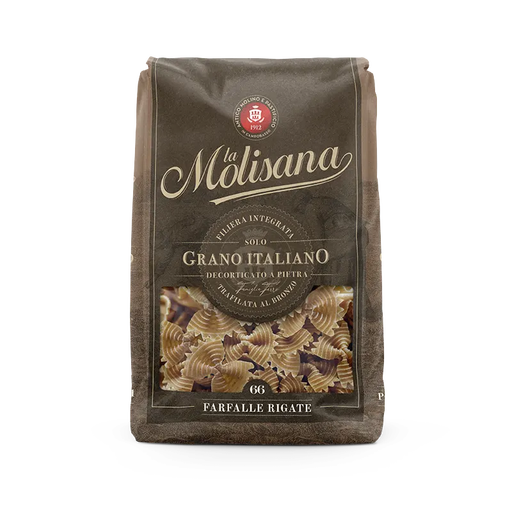 Image unavailable
Worth considering if you’re looking for wholewheat pasta. Size: 500 g. Compare the fibre, fat and salt values on the packaging; being wholewheat doesn’t determine the latter two.
No. A low amount of salt on the label doesn’t, by itself, prove that the product contains less salt than another pasta. Check the value per 100 g and the exact wording of any claim on the pack you’ve chosen.
If you’re keeping an eye on the salt in your meal, decide separately how much to add to the water, including whether to leave it out altogether. Check the sauce and condiments too: ANSES lists them among dietary sources of salt.
Compare their nutritional values on the same basis, for example per 100 g of dried product: fat, saturated fat and salt. Also read the ingredients for each recipe and check allergen information if it matters to your purchase.
No. ‘Wholewheat’ describes the type of grain, not the fat content of every recipe. Compare the fat, salt and ingredients for the specific product, then take its preparation and sauce into account.