For solid fuel during a run
You’re training for a marathon and want to take a bar with you on long runs. For this purpose, the carbohydrates in each bar matter more than the word ‘protein’ on the label or its fat content considered on its own.


A lower-fat protein bar isn’t necessarily suitable fuel for a marathon. If you’re planning to eat one during exercise, check the carbohydrates per serving first and try it during training. A bar chosen mainly for its protein may be better suited to a post-workout snack. Either way, check the fat, ingredients and allergens for the exact product.
You’re training for a marathon and want to take a bar with you on long runs. For this purpose, the carbohydrates in each bar matter more than the word ‘protein’ on the label or its fat content considered on its own.
You may be looking for a protein-rich serving after a workout or between meals. This doesn’t automatically meet the same need as a bar designed to provide carbohydrates during a run.
You may need to consider your digestive tolerance or avoid certain allergens. In that case, the ingredients list, polyols and ‘may contain’ warnings deserve as much attention as the nutritional information.
If you’re planning to eat a bar during a marathon, start by checking the carbohydrates in the whole bar and how it fits in with your other planned fuel. Then decide whether you’re looking for something to eat during the run or a snack for another time.
| What matters | What to check | Who it’s for |
|---|---|---|
| Carbohydrates during exercise | Carbohydrates per bar, and how they fit in with the drinks and other foods you’ve planned. | If I’m planning to eat a bar during a long run, I want to know what proportion of my carbohydrate intake it provides. This is the top priority for around 42% of consumers. |
| Post-workout snack | Protein and carbohydrates per serving, and when the bar is intended to be eaten. | If I’m mainly looking for a post-workout snack, a bar chosen for its protein serves a different purpose from fuel for a run. This is the priority for around 33% of consumers. |
| Tolerance and allergens | The ingredients list, including polyols, and allergen information for the exact product. | Before taking a bar on a run, I need to be able to rule out any ingredients that don’t suit me. For around 25% of consumers, this is their main concern. |
Auchan’s product information for the Isostar HP 25 strawberry bar lists 18 g of carbohydrates and 3.1 g of fat per 35 g bar. These figures help you see how one serving fits into your planned intake. They don’t tell you whether you’ll tolerate it while running or whether it carries a ‘reduced fat’ claim.
The protein content, a ‘low sugar’ claim or the fat content alone won’t tell you how many carbohydrates a whole bar provides during exercise.
Compare the nutritional information per serving, then decide exactly when you’ll use the bar: during a run, after a workout or as a snack.
Auchan’s product information for the nu3 strawberry-matcha and white chocolate bar warns that excessive consumption may have a laxative effect.
Try the product during training, with a similar amount and drink to what you’re planning to have during the race.
Ingredients and ‘may contain’ warnings vary between products. The flavour or type of bar won’t tell you what’s in the particular version you buy.
If you have an allergy or need to avoid an ingredient completely, read the packaging for the exact product before eating it.
These examples are for comparing specific products, not for assuming that every bar from a brand has the same nutritional profile.
The Isostar HP 25 strawberry bar featured by Auchan offers a useful point of comparison for solid carbohydrate fuel.
The 55 g chocolate and hazelnut bar featured by Auchan is an example of a snack positioned around protein and low sugar.
Auchan describes the 55 g strawberry-matcha and white chocolate bar as a low-sugar protein bar.
The Protein Plus 30% is presented on Carrefour.fr as a snack or a post-workout option.
Carrefour stocks Protein cereal bars in its Nutrition and Protein range. Don’t assume a cereal bar is a protein bar designed for running without checking the label.
The first three products are energy bars to consider for solid fuel on a long run. The next two are better suited to looking for a meal bar or a snack around your training. For each one, compare the nutritional information per serving and try any bar you’re planning to eat during exercise in a training session first.
 Image unavailable
If you’re looking for an energy bar to take on a long run, see how the 68 g serving fits into your fuelling plan. Check the carbohydrates and fat on the packaging, along with the allergens, before trying it while running.
 Image unavailable
If you’re comparing another 68 g energy bar for a long run, check the carbohydrates and fat in the whole serving. With its macadamia and white chocolate flavour, it’s particularly important to check the allergens on the packaging.
 Image unavailable
Consider this 68 g energy bar if you prefer solid fuel for your long runs. Compare its nutritional information per bar with your other fuel, and if you avoid peanuts, check the ingredients list and ‘may contain’ warnings.
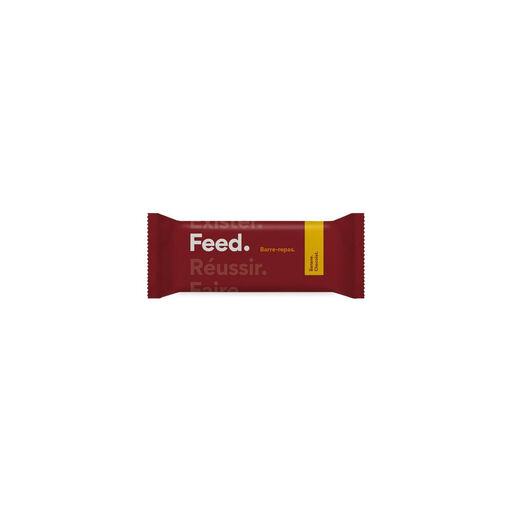 Image unavailable
Consider this if you’re looking for a meal bar to take with you, rather than a bar to eat during a marathon. It weighs 100 g, so check the nutritional information and allergens for this product before deciding how to use it.
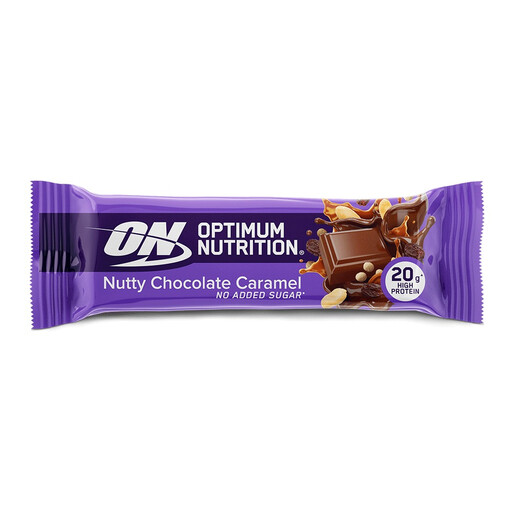 Image unavailable
For a snack around your training, compare the 70 g bar with the options you’re considering for a run: they may serve different purposes. Check the ingredients, including polyols, and any warnings on the packaging before eating it during a run.
No. If you’re planning to eat a bar during exercise, check the carbohydrates in the whole bar and how it fits in with your other fuel, then try the serving during training. Even a verified lower fat content won’t answer either of these questions.
Check the values per 100 g to compare their composition, then look at the values per bar to see what you’ll get in the serving you eat. If a product is described as ‘reduced fat’, check the exact claim on its packaging rather than inferring it from a single value.
It’s better to try it on a training run, with a similar amount and drink to what you’re planning to have during the race. This is especially useful for products containing polyols: Auchan’s product information for the nu3 strawberry-matcha and white chocolate bar warns that excessive consumption may have a laxative effect.
Read the ingredients list and any ‘may contain’ warnings on the packaging for the version you’re going to eat. The Isostar, Fulfil and nu3 products featured by Auchan list different allergens, so the brand name alone isn’t enough to tell you what’s in the bar.