People prioritising fat content
You’re looking for a frozen dessert to enjoy with your TV dinner and want to check the fat content of the specific flavour before choosing.


For a TV dinner, start by comparing the fat content of products listed on the same basis: per 100 g or per 100 ml. A sorbet labelled ‘0% fat’ may suit your priorities, but that doesn’t necessarily mean it’s low in sugar. Check the sugar content, serving size, allergens and packaging for your chosen flavour too.
You’re looking for a frozen dessert to enjoy with your TV dinner and want to check the fat content of the specific flavour before choosing.
You want to cut down on fat without overlooking sugar content or how much you plan to serve.
The ingredients and allergen information for the exact product matter more to you than whether it’s labelled a ‘sorbet’ or ‘ice cream’.
When choosing a tub of ice cream for a TV dinner, check the fat content first, then the sugar content and serving size. If ingredients are a key consideration for you, check the allergen information on the exact tub as well.
| Criterion | What to check | Who it’s for |
|---|---|---|
| Fat content | The value per 100 g or 100 ml and, where relevant, what the ‘0%’ claim means for this flavour. | If my main aim is to reduce fat, I want to know the product’s fat content before choosing between sorbet and ice cream; around 50% of consumers put this criterion first. |
| Sugar and serving size | Sugar and energy on the same basis, then the amount you plan to serve. | For my evening dessert, I don’t want to focus only on low fat if serving size and sugar matter to me too; around 30% of consumers prioritise these together. |
| Ingredients and allergens | The ingredients list and any allergen or ‘may contain’ information on the packaging for the exact flavour. | If certain ingredients or allergens determine my choice, the word ‘sorbet’ isn’t enough; around 20% of consumers use ingredients as their first filter. |
Carrefour’s product page for Carrefour Extra Lemon Sorbet in a Tub displays this claim, but also lists 24.1187 g of added sugars per 100 g. These figures describe different characteristics.
Check fat, sugar and energy separately, then take your serving size into account.
The DGCCRF states that nutritional information can be given per 100 g or per 100 ml. These figures aren’t interchangeable in a direct comparison.
Compare values shown in the same units, then consider your actual serving size.
The product pages for Carrefour Extra Lemon Sorbet and Carte d’Or Sicilian Lemon Sorbet list allergens or possible traces, which vary by product.
If you have an allergy, check the ingredients list and the information on the packaging of the flavour you buy.
Worth considering if your priority is an explicit fat-content claim on a tub of sorbet.
Sicilian Lemon Sorbet has a specific fat-content figure worth checking if you’re comparing sorbets.
A brand to consider if you’re looking for ice cream, but don’t judge its fat content by its texture.
A retailer where you can compare the information for tubbed sorbets and ice creams product by product.
These sorbets could be worth considering as a frozen dessert for your TV dinner. Before choosing one as a tub of ice cream, check the exact packaging, as well as the nutritional and allergen information for your chosen flavour.
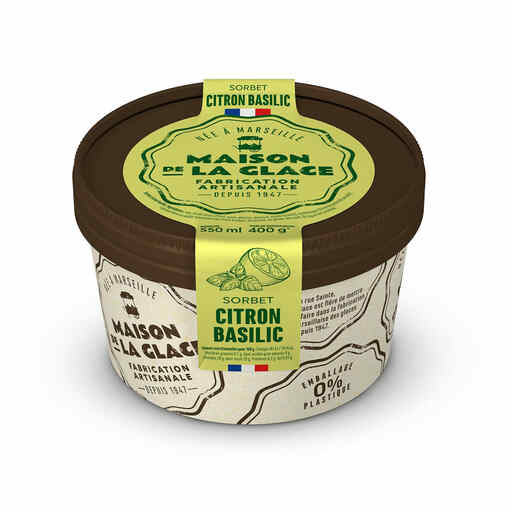 Image unavailable
Worth considering if you fancy a lemon and basil sorbet for dessert. Check that the packaging is the tub you’re looking for, then read the fat and sugar content and allergen information on the label.
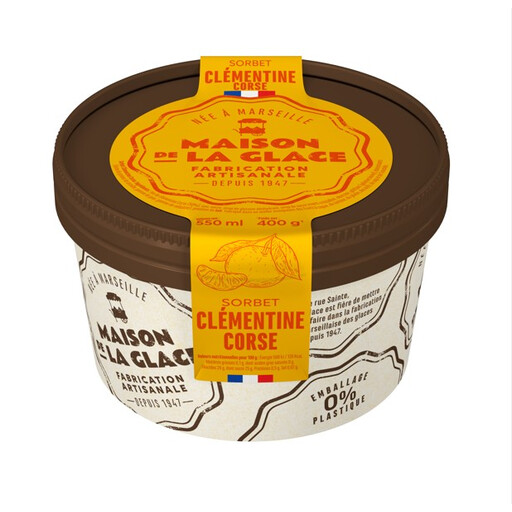 Image unavailable
Worth considering if you prefer clementine sorbet. Check the type of packaging and compare its fat and sugar content on the same basis. Check the allergen information for the exact product.
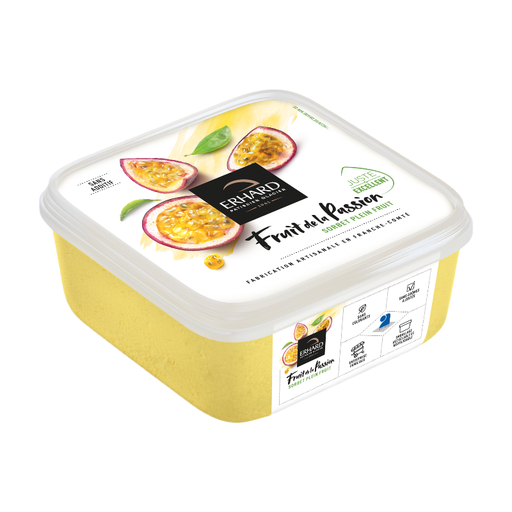 Image unavailable
Worth considering if you’re looking for passion fruit sorbet. Check the packaging before choosing it as a tub of ice cream, and check the sugar and fat content for the portion you have in mind.
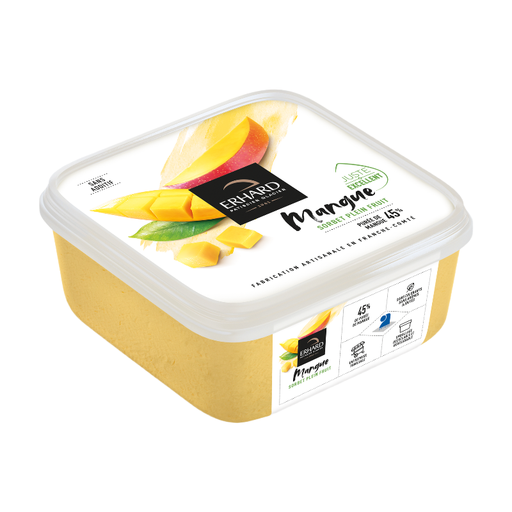 Image unavailable
Worth considering if you fancy mango sorbet with your TV dinner. Check the packaging, then compare the fat and sugar content for your chosen flavour. Check the allergen information too.
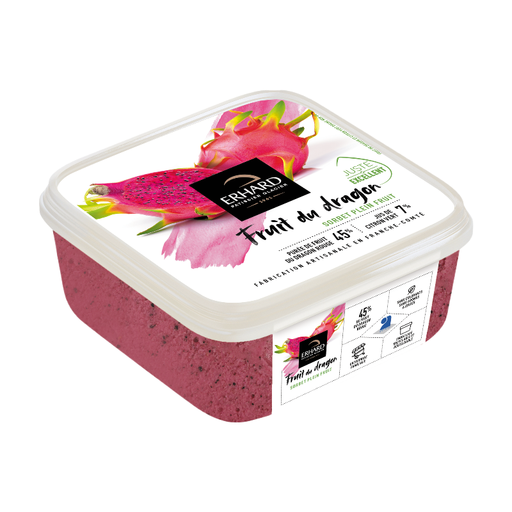 Image unavailable
Worth considering if you prefer dragon fruit and lime sorbet. Make sure the packaging suits your search for a tub, and check the fat and sugar content and allergen information on the label.
No. Check the figures for the exact flavour rather than relying on the category. Auchan’s product page for Paradis Glace Lychee Sorbet lists 0.1 g of fat per 100 g, but this figure doesn’t apply to every sorbet.
Not directly. First compare values expressed in the same units. The DGCCRF states that nutritional information can be given per 100 g or per 100 ml; then take the amount you plan to serve into account.
No. Carrefour states ‘0% fat’ for its Carrefour Extra Lemon Sorbet in a Tub, which also contains 24.1187 g of added sugars per 100 g. Check the two figures separately.
Read the ingredients list and allergen information on the packaging of the exact tub. The product pages for the Carrefour Extra and Carte d’Or sorbets mentioned here list allergens or possible traces: the word ‘sorbet’ doesn’t guarantee that they’re absent.
Follow the storage instructions on the packaging and keep the product frozen on the way home. For Carrefour Extra Lemon Sorbet in a Tub, Carrefour recommends storing it at −18 °C and says not to refreeze it once thawed.