Shoppers comparing fat content
You’re looking for a convenient pizza for the week and check the fat and saturated fat content per 100 g first, before comparing recipes.


For your weekly shop, compare the fat and saturated fat content per 100 g across frozen pizzas, then relate these figures to the amount you plan to eat. A lower fat content than another pizza does not, by itself, mean it is “light”: check the exact wording on the packaging, as well as the salt content and allergen information.
You’re looking for a convenient pizza for the week and check the fat and saturated fat content per 100 g first, before comparing recipes.
You’re planning several quick meals. The weight of each pizza and how much you actually eat matter just as much as the figures given per 100 g.
You need to check the ingredients and allergen information for the exact product. The recipe name or Nutri-Score is no substitute for reading the label.
Start with the figures per 100 g, then check the weight that corresponds to your portion. For your weekly shop, also make sure the recipe you want is available at your store.
| Criteria | What to check | Who it’s for |
|---|---|---|
| Fat content | Compare the fat and saturated fat content per 100 g, and check the salt content too. | If I want to cut down on fat, I need to compare recipes on a like-for-like basis, rather than relying on the topping name alone. Around 50% of shoppers would put this first. |
| Portion and format | Check the net weight and relate the figures per 100 g to the amount planned for each meal. | When planning several dinners, I want to know how much everyone will eat rather than judging the whole pizza alone. Portion size would be the top priority for around 30% of shoppers. |
| Availability | Make sure the recipe you want is available at your store, and check the label of the product you choose. | If I shop at a particular retailer, I need a recipe I can actually buy there without skipping the ingredient check. Around 20% of shoppers would prioritise availability. |
A pizza can contain less fat than another without qualifying for a “light” claim. According to the European Commission, the use of nutrition claims is governed by Regulation (EC) No 1924/2006.
Compare the figures per 100 g and check the exact wording on the packaging, rather than inferring a claim from the difference between two recipes.
A lower figure per 100 g alone doesn’t tell you how much fat you’ll consume if the portion sizes differ.
Use the net weight to work out the nutritional information for the portion you plan to eat.
This figure alone doesn’t tell you about saturated fat, salt or allergens. The DGCCRF notes that these nutritional details and the ingredients list are among the information to check on prepacked foods.
Read the nutrition table and allergen information on the packaging of the pizza you buy.
The retailer offers Carrefour Extra and Carrefour Bio recipes, with nutritional information for each product.
The brand’s ranges include Ristorante.
The retailer offers a range of frozen pizza recipes and formats.
Buitoni Piccolinis are among the mini pizzas listed in Auchan’s range.
E.Leclerc offers own-brand pizzas, including Turini and Marque Repère.
The retailer has a range of frozen pizzas and snacks.
This selection of frozen pizzas includes mini formats and recipes to share or portion out. To compare their fat content, check the labels on a per-100 g basis, then take the stated weight into account.
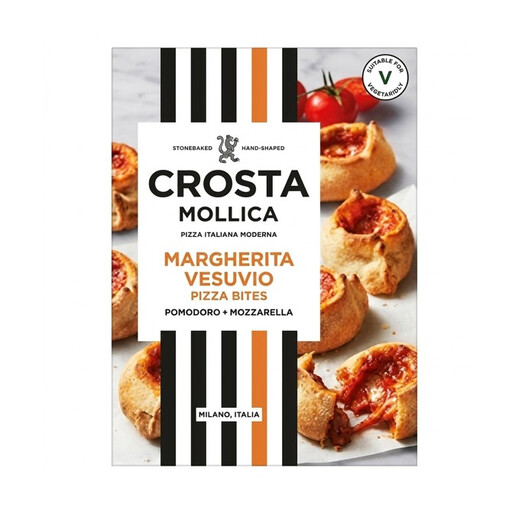 Image unavailable
If you’re planning several smaller portions, start with the stated weight of 270 g and how much each person will eat.
Compare the fat and saturated fat content per 100 g on the packaging; the mini format doesn’t mean the pizza is “light”.
 Image unavailable
If you’d like to compare a vegetable recipe, check its nutritional values rather than assuming it contains less fat.
The stated weight is 385 g. Relate the figures per 100 g to your planned portion, and check the salt content on the packaging.
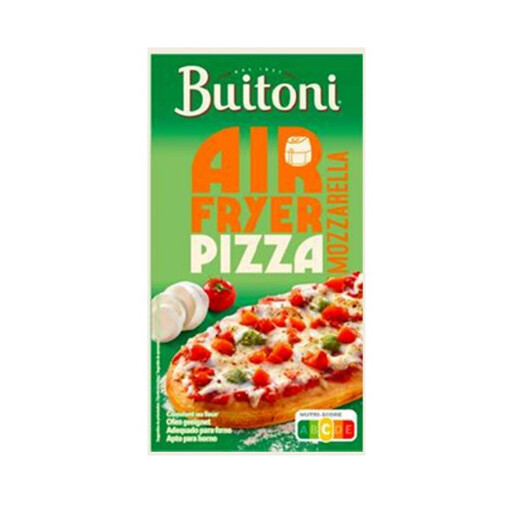 Image unavailable
If you’re planning a 195 g pizza, compare its weight with the amount you intend to eat.
Check the fat and saturated fat content, along with the cooking instructions for the product you buy. The recipe name alone isn’t enough to classify it as a lower-fat pizza.
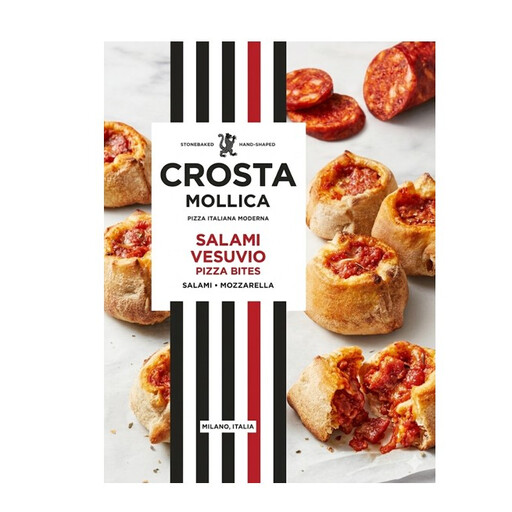 Image unavailable
If you prefer a mini salami pizza, compare it with other pizzas rather than assuming it’s a lower-fat option.
The pack states 270 g. Check the fat and saturated fat content, salt and portion information on the packaging.
No. Simply comparing the fat content of two pizzas isn’t enough to justify this claim. The European Commission regulates nutrition claims. To choose, compare the figures per 100 g and check the exact wording on the packaging.
First check the fat and saturated fat content per 100 g, then the energy and salt. The DGCCRF lists these details in the nutrition declaration for prepacked foods. If the product has a Nutri-Score, it’s no substitute for checking the figures yourself.
Relate the figures per 100 g to the weight you actually eat. Eating a 400 g pizza whole means consuming four times the amount listed per 100 g. If you share it, calculate the figures based on your portion.
Yes. Fat content tells you nothing about allergens. Check the ingredients list and allergen information on the packaging of the pizza you choose, even if you’ve already looked at its nutritional information.
Follow the instructions and use-by date on each pack. For example, Auchan’s product page for a 4 Cheese pizza says to store it at −18 °C and not to refreeze it after thawing.