Parents keeping an eye on fat
If you’re planning a lunch during the school holidays, you’ll want to compare pizzas on a like-for-like basis, without confusing the figures per 100 g with those for a whole pizza.


To choose a frozen pizza while keeping an eye on fat, compare the figures per 100 g, then consider how much each person will actually eat. Check saturated fat, salt, allergens and cooking instructions too: a low figure per 100 g is not enough to judge a whole lunch. A recipe or marketing name alone does not prove that a pizza carries a ‘reduced fat’ claim.
If you’re planning a lunch during the school holidays, you’ll want to compare pizzas on a like-for-like basis, without confusing the figures per 100 g with those for a whole pizza.
You’re looking for a sharing size or a pack with several individual pizzas, while keeping in mind how much will actually be served to each person.
You’ll need to read the ingredients and any ‘may contain’ warnings for the product you choose, as these can vary from one recipe to another.
For a lunch during the school holidays, start with the nutritional information per 100 g, then compare it with the portion you’ll serve and any preparation requirements.
| Criteria | What to check | Who it matters to |
|---|---|---|
| Fat and portion size | Compare the fat, saturated fat and salt per 100 g, then check the weight of the portion you plan to serve. | If I’m keeping an eye on the fat in my lunch, I want to know what’s in the amount I’ll actually eat, not just see a figure per 100 g. Around 50% of consumers are said to prioritise this nutritional comparison. |
| Sharing size | Check the product’s total weight, number of pizzas and cooking instructions. | When several people are having lunch together, I look for a format that’s easy to divide up, without losing sight of portion size. For around 30% of consumers, this serving requirement is said to come first. |
| Allergens and storage | Read the ingredients and any ‘may contain’ warnings; follow the storage and cooking instructions on the packaging. | If a recipe needs to suit everyone at the table, I need to be able to check its allergens and store it correctly until mealtime. This is said to be the main priority for around 20% of consumers. |
The figure per 100 g won’t necessarily reflect how much you’ll eat. Dr. Oetker states that its 355 g Ristorante Mozzarella contains 12 g of fat per 100 g and 42 g per whole pizza.
Compare the recipes per 100 g first, then work out the figures for the amount planned for each person.
A recipe name or an organic label does not, on its own, tell you the fat content. Carrefour states that its Organic Margherita contains 9.3 g per 100 g.
Check the nutritional information and ingredients for the specific product rather than making assumptions based on its name.
Ingredients and possible traces vary between recipes. Storage conditions also matter for a product that needs to stay frozen until you prepare it.
Check the label on the product you buy and follow its instructions. The French Ministry of Agriculture recommends not refreezing a defrosted product.
These examples relate to specific products: the figures for one pizza don’t represent a brand’s entire range.
The Ristorante range includes the 355 g Mozzarella pizza. Dr. Oetker gives a cooking time of 11 to 14 minutes for this product.
Carrefour Sensation and Carrefour Bio products let you compare different recipes using their respective product information.
E.Leclerc offers various formats under these brands, including an Eco+ pack of three Margherita pizzas weighing 900 g in total.
This selection includes frozen pizzas in various formats and a pack of lahmacuns, a speciality distinct from classic pizza. To choose based on fat content, compare each product’s nutritional information with the amount you plan to serve.
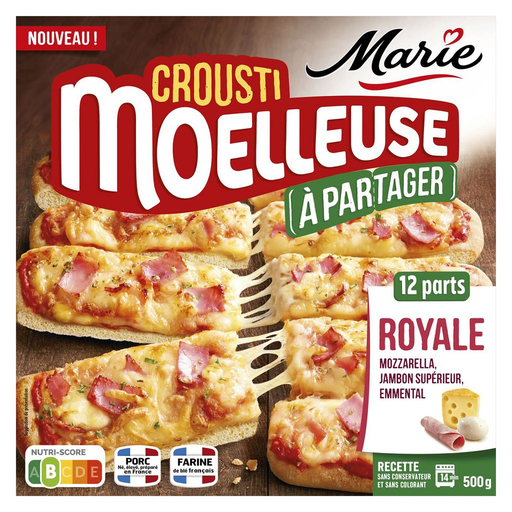 Image unavailable
The sharing size could work well for lunch with family or friends. Decide how much to serve each person, then check the nutritional information, allergens and cooking instructions on the packaging.
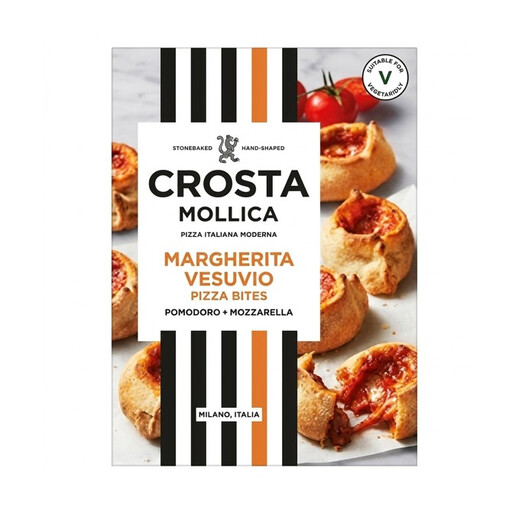 Image unavailable
The mini format makes it easy to serve individual pizzas. The pack weighs 270 g in total: check the number of pizzas, nutritional information, allergens and cooking instructions before planning portions.
 Image unavailable
This 385 g vegetable pizza is an option if you’d like to compare different recipes. Check its nutritional information and allergens for the portion you plan to serve, as well as the cooking instructions on the packaging.
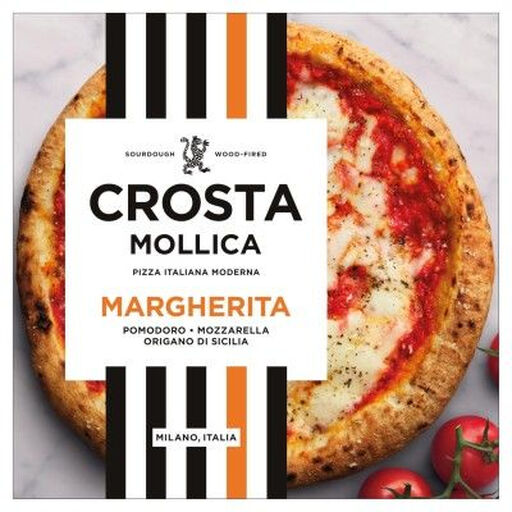 Image unavailable
This 403 g Margherita is useful for comparing recipes, as long as you don’t assume its fat content from its name. Check the nutritional information, allergens and cooking instructions for the portion you plan to serve.
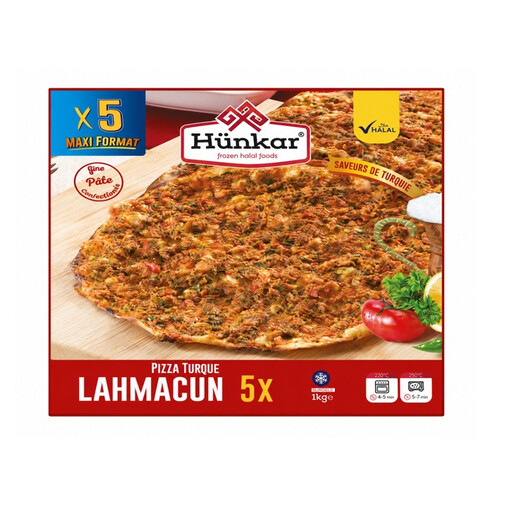 Image unavailable
The five lahmacuns can be shared between several people, but this beef speciality is not a classic pizza. The pack weighs 1 000 g; check the nutritional information, allergens and product-specific preparation instructions.
First compare their fat and saturated fat per 100 g, then take into account how much you’ll serve. Nutritional information per 100 g gives you a common basis for comparison, but it won’t necessarily reflect a whole pizza or the portion eaten.
Don’t treat these words, when used as a search term, as an established product characteristic. In France, the DGCCRF notes that nutrition claims are governed by European Regulation (EC) No 1924/2006: check the exact wording on the packaging and compare the nutritional values of the pizza in question.
Read the ingredients list and any ‘may contain’ warnings on the packaging of the product you buy, even if you already know the recipe. The DGCCRF states that allergenic ingredients must be highlighted on food labels.
No. The French Ministry of Agriculture recommends not refreezing a defrosted product. You should also follow the storage and preparation instructions on its packaging.