People keeping an eye on fat content
You want to compare similar frozen pizza recipes using the fat and saturated fat figures per 100 g, rather than trying to judge their nutritional content from the recipe name alone.


To choose a lower-fat frozen pizza for a meal on the go, compare the fat and saturated fat per 100 g in similar recipes, then consider how much you’ll actually serve. You’ll also need to make sure it can be kept frozen during transport, that you have a suitable appliance for cooking it, and that it meets any allergen requirements. The recipe name or Nutri-Score alone won’t tell you enough.
You want to compare similar frozen pizza recipes using the fat and saturated fat figures per 100 g, rather than trying to judge their nutritional content from the recipe name alone.
You need to keep the pizza frozen during the journey and handover, then cook it using the appliance available at your destination, following the instructions on the packaging.
You’re looking for a format that suits the number of people eating, and need to check the ingredients, listed allergens and any ‘may contain’ warnings on the product you buy.
For a meal on the go, first make sure you can keep the pizza frozen and cook it at your destination. Then compare the nutritional information for similar pizzas and check the portion size and ingredients.
| Criteria | What to check | Who it matters to |
|---|---|---|
| Fat content | Compare the fat and saturated fat per 100 g in similar pizzas; also check the salt and the weight you’ll be serving. | If I want to choose a lower-fat recipe, a name like ‘vegetable’ or ‘thin crust’ isn’t enough to go on. Around 33% of consumers put this nutritional comparison first. |
| Cold chain | Check the handover time, transport arrangements and whether you’ll have access to a freezer or be able to cook the pizza without a long wait. | A journey or delayed handover means I need to plan how to keep the pizza frozen before I even choose a recipe. Around 27% of consumers say keeping food cold is their main concern. |
| Portion and cooking | Check the weight, how much you’ll serve and which appliance the cooking instructions call for. | If only a particular appliance is available at my destination, I need to choose a pizza I can actually prepare and serve in a suitable quantity. Around 20% of consumers put this need first. |
| Ingredients and allergens | Read the ingredients list, check the highlighted allergens and look for any ‘may contain’ warnings on the product you buy. | If a recipe has been substituted or has a familiar name, I still need to check what’s in it before serving. Around 20% of consumers prioritise this check. |
The topping and type of base don’t determine the nutritional values on their own. The amount of cheese, the oils used and the size of the pizza matter too.
Compare the fat and saturated fat per 100 g on the packaging of similar recipes. If a reduction is claimed, read the exact wording rather than relying on the product image.
Figures per pizza depend on its weight. Conversely, figures per 100 g don’t necessarily reflect the amount you’ll serve.
Use the per-100 g figures to compare recipes, then check the weight of the portion you’re planning to serve.
According to the DGCCRF, transport is part of the cold chain. You’ll need to factor in the journey after collection or delivery when planning your meal.
Plan how you’ll store and hand over the pizza, following the instructions on its packaging. Also check its condition when it arrives.
A pizza designed for the oven shouldn’t be assumed to be suitable for a microwave or air fryer.
Read the instructions for the product you’ve chosen and make sure the necessary appliance will be available where you’re eating.
Products and available information vary by recipe and store, so always compare the specific pizza you’re thinking of buying.
The frozen Ristorante range includes a variety of recipes and formats, depending on the product.
The brand features among the frozen mini pizzas listed in Auchan’s range.
The retailer offers frozen pizzas in a range of formats, including a 200 g four-cheese pizza.
The retailer’s range includes a variety of frozen pizzas, including products from other brands.
E.Leclerc DRIVE lists frozen pizzas, with collection or delivery options that you’ll need to check locally.
The retailer’s French website lists a category for frozen pizzas and snacks.
These frozen pizzas come in a range of recipes and formats to consider for a meal on the go. Compare their labels and cooking instructions before choosing: none is described here as ‘lower in fat’.
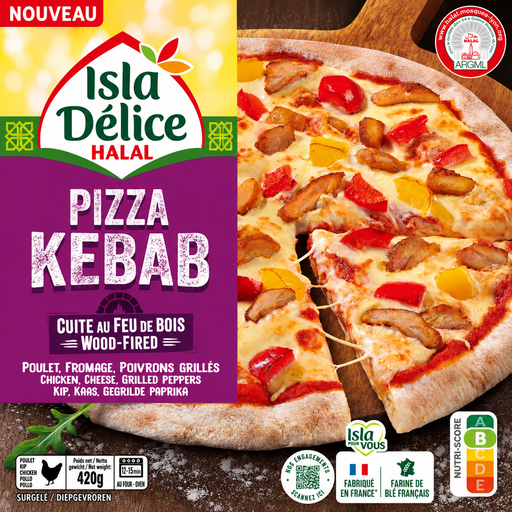 Image unavailable
If you’re planning to serve this pizza after transporting it, check that you’ll be able to cook it where you’re eating.
It weighs 440 g. Decide how much you’ll serve, then compare the nutritional values per 100 g with those of similar pizzas.
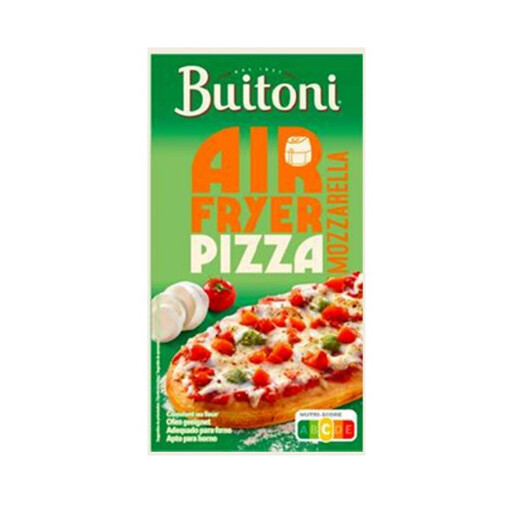 Image unavailable
This pizza is designed for an air fryer, so it’s worth considering if you’ll have one available to prepare your meal.
It weighs 195 g. Check the cooking settings on the packaging and compare its nutritional values per 100 g with those of similar recipes.
 Image unavailable
If you’re looking for a vegetable recipe, consider this one without assuming that its topping means it contains less fat.
It weighs 385 g. Compare the figures per 100 g and check that you’ll be able to cook it as instructed after transporting it.
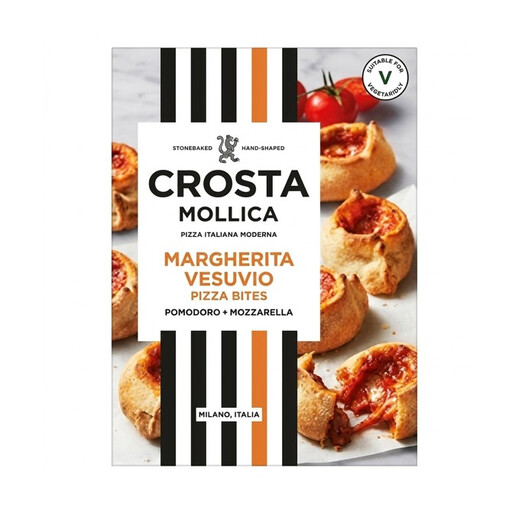 Image unavailable
The mini format may suit you if you want to share the pizzas out when serving. Check how many each person is likely to have.
The pack weighs 270 g. Check the figures per 100 g and the cooking instructions before choosing this recipe for a meal on the go.
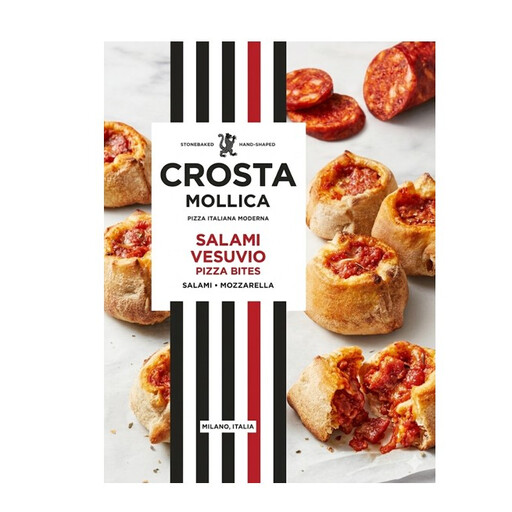 Image unavailable
These mini salami pizzas are worth considering if you plan to share a pack between several people.
The pack weighs 270 g. To compare this recipe, check the nutritional values on the packaging, including the salt, as well as the appliance and cooking instructions.
Compare the fat and saturated fat per 100 g in pizzas of the same type, then consider how much you’ll serve. As the DGCCRF explains, nutritional values per 100 g make it possible to compare products that weigh different amounts.
No. Nutri-Score can help you compare products in the same category, but it doesn’t replace checking fat, saturated fat and portion size. Manger Bouger describes it as a tool for comparing products in the same aisle or category.
Yes, as long as you keep it frozen during transport and follow the storage instructions on the packaging until it’s ready to cook. The DGCCRF points out that transporting food is part of the cold chain, so plan how you’ll handle it as soon as it’s handed over.
Yes. A vegetable topping doesn’t tell you everything that’s in the pizza. Check the highlighted allergens and any ‘may contain’ warnings on the packaging of the product you buy, particularly if you’re offered a different recipe as a substitute.
Read the exact claim on the packaging, then compare the nutritional information with that of similar pizzas. The DGCCRF points out that nutritional claims used in commercial communications are regulated; a recipe name or the presence of vegetables isn’t a nutritional claim.