Someone living alone or a couple keeping an eye on fat
You want a convenient meal, but you compare the amount per 100 g and how much you’ll eat rather than relying on a recipe that simply sounds light.


If fat content is your priority when choosing a frozen pizza, compare the figures per 100 g for similar recipes, then consider how much you plan to eat. Carrefour France product information lists 6.3 g of fat per 100 g for its Bio Grilled Vegetable pizza, compared with 15 g for its Extra Four Cheese pizza. This difference between two recipes isn’t enough to show that either pizza carries the ‘reduced fat’ claim.
You want a convenient meal, but you compare the amount per 100 g and how much you’ll eat rather than relying on a recipe that simply sounds light.
You want to stick with your favourite topping while comparing the fat, energy and size of similar recipes.
You read the declared allergens and packaging instructions before choosing a frozen pizza, whatever the topping.
For a meal for one or two, start with a recipe that suits you, then compare the figures per 100 g with the amount you’ll actually eat. A pizza that has less fat than another in a particular comparison doesn’t necessarily carry the ‘reduced fat’ claim.
| Criteria | What to check | Who is it for? |
|---|---|---|
| Fat | Compare the fat per 100 g in similar recipes. If a pizza is labelled ‘reduced fat’, also check how it compares with a similar standard product. | If I want to reduce the fat in my pizza, a recipe that simply sounds light isn’t enough to help me choose. Around 50% of consumers would make this their priority. |
| Recipe and portion | Check the energy per 100 g, the net weight and how much you plan to eat. | I’d rather keep a topping I enjoy, while remembering that eating a whole pizza and sharing one don’t mean consuming the same amount. This would be the main consideration for around 30% of consumers. |
| Allergens and storage | Check the allergens, any ‘may contain’ statements and the storage instructions on the packaging. | Before comparing recipes, I need to rule out any that don’t meet my allergen or storage requirements. Nearly 20% of consumers would put this need first. |
Having less fat than another pizza doesn’t, on its own, prove that it contains less fat than a comparable standard product. The French Health Insurance service explains that the ‘reduced fat’ claim means at least a 30% reduction compared with that reference product.
Use the figures per 100 g to compare the pizzas you’re interested in, but don’t assume from that comparison alone that they carry the ‘reduced fat’ claim.
Two pizzas can show similar figures per 100 g but have different weights. The amount you eat then changes the comparison for the meal as a whole.
Check the pizza’s weight and decide how much you’ll eat before comparing the amounts in your portion.
A vegetable pizza can also contain wheat and milk. Carrefour Bio Grilled Vegetable pizza information also notes that it may contain traces of fish, nuts and egg.
Check the ingredients list, highlighted allergens and any ‘may contain’ statements on the packaging you buy.
Storage and preparation are part of making a practical choice, especially if the pizza won’t be cooked straight away.
Plan how you’ll get it home and into the freezer, and follow the temperatures and defrosting and cooking instructions on the packaging.
A brand alone doesn’t determine the fat content. Compare specific products and their pack sizes.
Carrefour Bio, Sensation and Extra ranges include frozen pizzas, with Carrefour France product information detailing their recipes and nutritional values.
The brand’s frozen pizza ranges include Ristorante and Suprema.
The ranges available include La Grandiosa, Four à Pierre and Piccolinis.
The retailer offers pizzas from its own brand and other brands, in a range of sizes and with different toppings.
The E.Leclerc catalogue includes Marque Repère pizzas such as royale, grilled vegetable, mozzarella and cheese varieties.
These products offer a range of toppings and sizes to consider for a meal for one or two. Compare their nutritional information with the portion you have in mind. Their inclusion here doesn’t mean that they carry the ‘reduced fat’ claim.
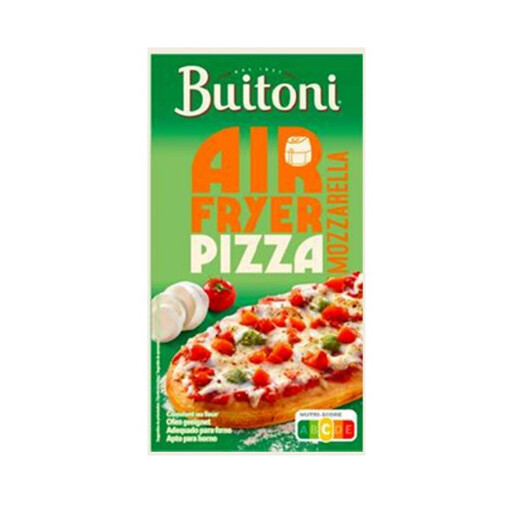 Image unavailable
The 195 g size is worth considering if you’re looking for a pizza for one. Check the preparation instructions on the packaging before using an air fryer.
 Image unavailable
This vegetable recipe could be compared with other vegetable pizzas. At 385 g, it’s worth checking how much you plan to eat.
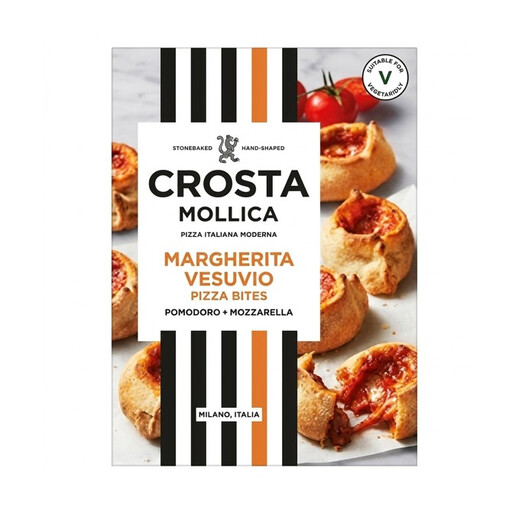 Image unavailable
The 270 g pack of mini pizzas is an option to consider when adjusting the amount to suit the number of people eating. Check the packaging for cooking instructions and allergen information.
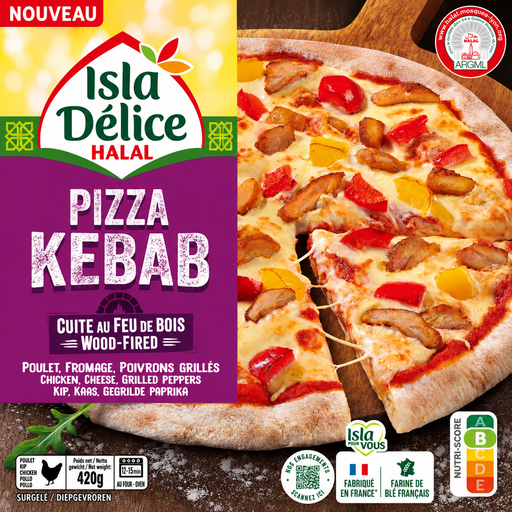 Image unavailable
This product is described as a lahmacun rather than a traditional pizza, so bear that difference in mind when comparing recipes. Check the pack weight on the packaging, as the available information varies, and follow the preparation instructions.
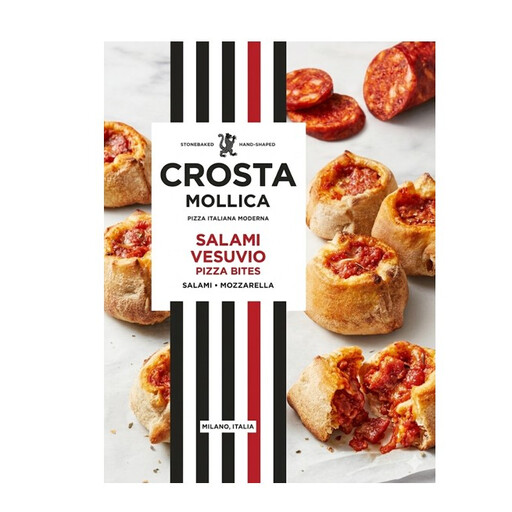 Image unavailable
The 270 g size may suit a smaller household looking to compare a salami topping with other mini pizzas. Check the nutritional information on the packaging, including the salt content, as well as the cooking instructions.
No. That comparison alone doesn’t mean it can be labelled ‘reduced fat’. According to the French Health Insurance service, this claim requires at least 30% less fat than a comparable standard product. You can still compare the figures per 100 g when choosing between two pizzas.
Check the energy per 100 g, then the pizza’s weight and the portion you’ll eat. The DGCCRF’s guidance on nutrition labelling for pre-packed foods helps you compare the figures shown without confusing the value per 100 g with the value for the whole meal.
Yes. A vegetable topping doesn’t mean you can skip checking the allergens. Carrefour Bio Grilled Vegetable pizza contains wheat and milk, among other ingredients, and notes that it may contain traces of other allergens. Check the information on the pack you buy.
Yes. The number of cheeses in the name doesn’t tell you how much fat is in the recipe. Carrefour France product information lists 9.1 g of fat per 100 g for the Dr. Oetker Suprema 5 Fromages and 15 g for the Carrefour Extra Four Cheese. Compare the specific products, then check their sizes.