Students comparing fat content
You have a freezer and an oven. Before choosing a vegetable, margherita or cheese pizza, you want to check the fat and salt content, as well as the pizza’s weight.


To choose a frozen pizza with less fat in mind, compare similar recipes per 100 g, then consider how much you plan to eat and the salt content. When moving in, check the cooking instructions too: a recipe that looks right on the label won’t be practical if you don’t have the appliance it requires.
You have a freezer and an oven. Before choosing a vegetable, margherita or cheese pizza, you want to check the fat and salt content, as well as the pizza’s weight.
Your choice depends on which appliance you can use right now. A pizza designed for the oven won’t meet the same need as one whose packaging says it can be cooked in a microwave.
You want to know how much is in the box and how much you’ll actually eat, without assuming that an individual pizza or mini pizzas automatically count as one portion.
First, check that you’ll be able to cook the pizza. Then compare the nutrition information for similar recipes per 100 g and relate it to your portion. The DGCCRF says that nutrition declarations for prepacked foods are shown, among other things, per 100 g—a useful basis for comparing pizzas of different weights.
| Criteria | What to check | Relevant consumers |
|---|---|---|
| Fat content | Compare the fat and salt content per 100 g in similar recipes; also consider how much you’ll eat. | I want to compare recipes without relying solely on the “reduced fat” claim, while also considering the salt in my portion. Around 50% of consumers with this need put this nutritional comparison first. |
| Format and portion | Check the net weight and, for mini pizzas, the number of pieces before deciding on your portion. | If I’m eating alone, I’m looking for an amount that suits my meal rather than assuming my portion based on the box size. Around 30% of consumers prioritise this need. |
| Cooking equipment | Read which appliances are suitable and follow the cooking instructions for the product you choose. | My oven isn’t ready to use yet, so I need to be able to prepare the pizza with the appliance I have. This is the top priority for around 20% of consumers. |
A claim or a fat-content figure on its own tells you nothing about the salt content or how much you’ll eat. Manger Bouger notes that nutrition claims are regulated. A lower figure alone isn’t enough to establish that a pizza can be labelled “reduced fat”.
Compare similar recipes per 100 g, then check the other nutrition information, ingredients and intended portion. If a Nutri-Score is shown, use it as an additional guide, not as an answer to all these questions.
Auchan’s product page for its 200 g four-cheese pizza lists 20 g of fat and 2.1 g of salt for the whole pizza. Its individual size and microwave cooking instructions don’t change these figures.
To compare two sizes, start with the figures per 100 g and take into account how much you’ll eat.
Instructions vary between products: Auchan says its 200 g four-cheese pizza can be cooked in a microwave, but strongly advises against using one for its frozen chorizo pizza, which is designed for oven cooking.
Before filling your freezer, check the cooking instructions on the packaging and make sure you have the required appliance and accessories.
The figures below relate to specific products, not every pizza made by a brand. Check the label of the recipe you’re thinking of buying.
The Ristorante range includes vegetable and mozzarella recipes, with Carrefour product pages providing figures per 100 g.
The 310 g Carrefour Bio Margherita is another product to consider if you’re looking for a margherita recipe.
Auchan’s 200 g individual four-cheese pizza is designed for microwave cooking, which is worth checking if you don’t have a working oven.
Carrefour product pages include Buitoni Air Fryer and Four à Pierre pizzas. Their names may help you start your search, depending on the equipment you have.
These products include a range of recipes and formats to consider when stocking your first freezer. Compare the labels and choose according to the portion you want and the cooking equipment you have. None of the pizzas listed here is presented as officially “reduced fat”.
 Image unavailable
A vegetable recipe to consider if you’re comparing the fat content of similar pizzas. The pack says 385 g; check the nutrition information and cooking instructions for the product you choose.
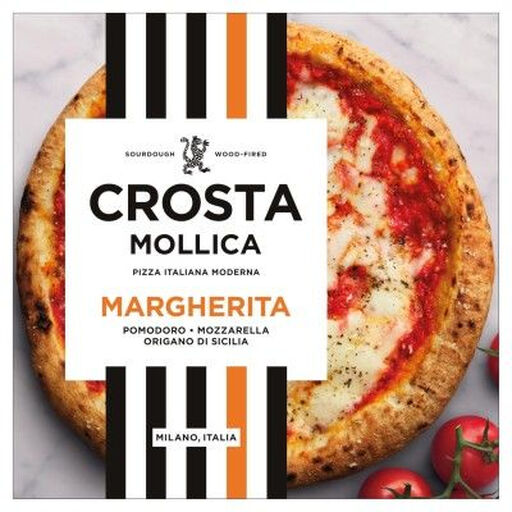 Image unavailable
A margherita to consider if this recipe suits your tastes. It weighs 403 g, so compare the nutrition information with the amount you plan to eat and check the cooking instructions.
 Image unavailable
A mini format to consider if you want to adjust the amount you serve. The pack weighs 270 g; check how many pieces it contains, the portion you plan to eat and the cooking instructions before choosing.
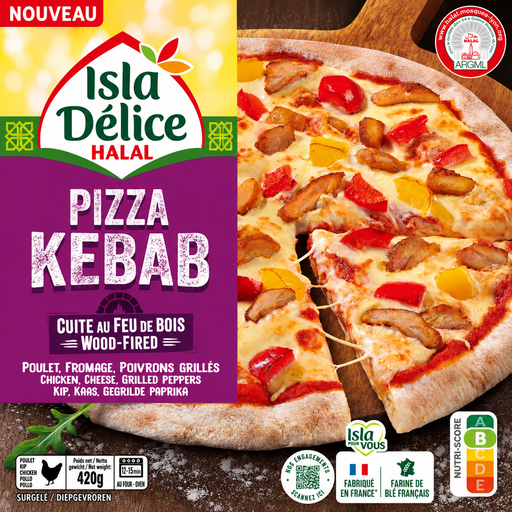 Image unavailable
A kebab and pepper recipe to consider if you’re looking for these toppings. The pack says 440 g. To assess its fat content, compare it with similar recipes rather than assuming it’s equivalent to a margherita.
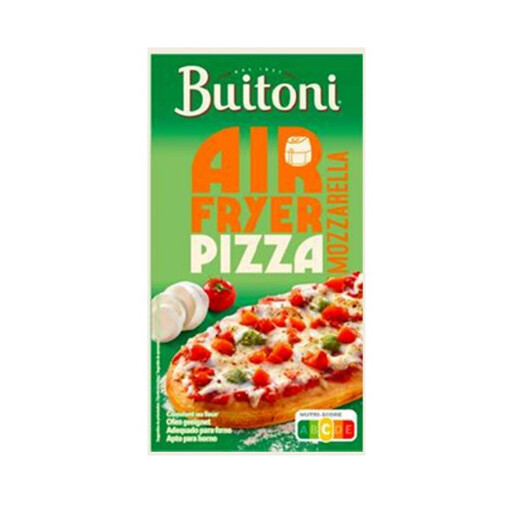 Image unavailable
A product to consider if you have an air fryer. It weighs 195 g; check the cooking settings on the packaging. “Air Fryer” describes how it’s prepared, not a reduction in fat.
No. Having a lower figure than another pizza isn’t enough to establish a “reduced fat” claim. Manger Bouger notes that nutrition claims are regulated. To choose, compare the figures per 100 g for similar recipes and check each product’s label.
Start with the figures per 100 g, including fat, saturated fat and salt, then consider how much you’ll eat. The DGCCRF says that displaying this information per 100 g is part of the nutrition declaration for prepacked foods.
No. Follow the cooking instructions for the pizza you’ve bought. Auchan says its 200 g four-cheese pizza can be cooked in a microwave, but strongly advises against using one for its frozen chorizo pizza, which is designed for oven cooking.
Don’t refreeze a pizza if its packaging says not to. Carrefour’s product page for its Dr. Oetker mozzarella pizza says, “never refreeze a defrosted product”. Store and transport your pizza according to the instructions for the product you’ve bought.
Read the ingredients list and allergen information for the specific product, even if you already know the recipe or brand. Manger Bouger advises checking that any ingredients you need to avoid aren’t listed on the label.