Parents who check fat content first
You’re looking for a quick meal and comparing the fat figures per 100 g. The total weight matters too if you’re only eating part of the pizza.


When comparing the fat content of frozen pizzas, start with the figures per 100 g rather than assuming a pizza is “reduced in fat” based on a comparison between recipes. Then check the pizza’s weight, the portion you plan to serve and the allergens. A smaller pizza may work well for one person, while a larger one means planning how to share and store it.
You’re looking for a quick meal and comparing the fat figures per 100 g. The total weight matters too if you’re only eating part of the pizza.
You’d rather have a smaller pizza than a large one to share, and you check that the cooking method is suitable for the appliance you have.
You need to check the ingredients and “may contain” statements for the specific recipe, especially if someone in your household needs to avoid wheat, milk or another allergen.
In those first few weeks with a baby, the main thing you look for in a frozen pizza may be its fat content, allergens, size or storage requirements.
| What to consider | What to check | Who it matters to |
|---|---|---|
| Fat content | Compare the grams of fat per 100 g, then check the amount in the portion you plan to eat. Don’t assume a “reduced in fat” claim based on this comparison alone. | If I want to compare pizzas for a quick meal, I check the figures per 100 g before choosing my portion. Around 42% of consumers would put this first. |
| Allergens | Read the ingredients, allergen declaration and “may contain” statements on the box for the recipe you’re buying. | If someone in my household needs to avoid an allergen, I choose a suitable recipe first, even if another has less fat; around 33% of consumers would make this their priority. |
| Size and cooking | Check the net weight, how much you’ll serve and the cooking instructions for your oven or air fryer. | For a quick meal on my own, I prefer a size that suits my meal and appliance. Around 17% of consumers would make this their top consideration. |
| Storage | Follow the storage instructions on the packaging and plan to keep the pizza frozen until you’re ready to cook it. | If my shopping trip or delivery makes it harder to keep food cold, I want to be able to store the pizza properly before cooking it; around 8% of consumers would make this their priority. |
A lower figure than another pizza’s isn’t enough to substantiate a nutrition claim. In the European Union, such claims are governed by Regulation (EC) No 1924/2006, as the DGCCRF points out.
To compare two recipes, use their figures per 100 g. If a “reduced in fat” claim matters to you, check that it appears on the packaging of the specific product you’re buying.
A 195 g pizza and a 570 g pizza aren’t the same amount to serve. So comparing figures per 100 g doesn’t replace comparing the amount in your actual portion.
Check the net weight and decide how much of the pizza you’ll eat before comparing the figures for that amount.
A pizza chosen for its fat content may contain ingredients that aren’t suitable for someone in your household.
Check the allergen declaration and “may contain” statements on the packaging for the exact recipe.
The Ministry of Agriculture says refreezing a defrosted product encourages bacteria to multiply.
Pick up frozen food at the end of your shop, follow the packaging instructions and don’t refreeze a defrosted pizza.
Two Carrefour recipes let you compare specific sizes and nutritional values: Extra 4 Stagioni and Sensation Royale.
The products reviewed suit different needs: Air Fryer Mozzarella in 195 g and Grandiosa Regina in 570 g.
Dr. Oetker’s pizza range includes several Ristorante recipes. Its catalogue also features a separate Ristorante Mozzarella that is explicitly gluten-free and lactose-free.
These frozen pizzas come in different sizes and recipes, so you can choose according to your portion and cooking appliance. If fat content is your main consideration, compare the nutritional information for each product before buying.
 Image unavailable
The mini size could suit you if you’d rather serve small pizzas than a whole large one.
Before choosing your portion, check the nutritional information, allergens and cooking instructions on the packaging.
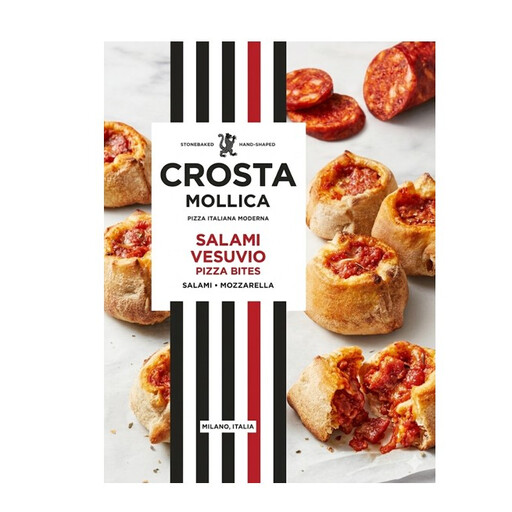 Image unavailable
This mini salami pizza recipe could be a good choice if you want to tailor the amount you serve to a smaller meal.
Check the ingredients, nutritional information and cooking instructions on the box.
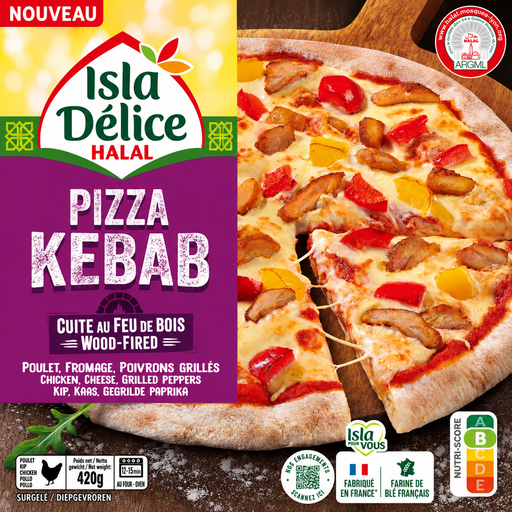 Image unavailable
This 440 g size may be worth considering if you plan to share the pizza rather than serve it as an individual portion.
Compare your planned portion with the nutritional information and check the allergens on the packaging.
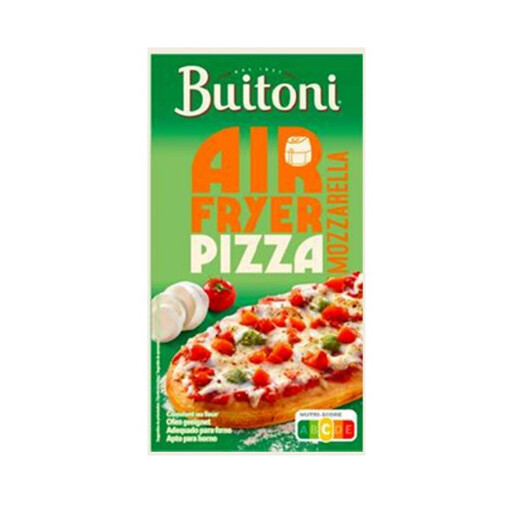 Image unavailable
This 195 g size is intended for one person and can be cooked in a compatible air fryer.
The Joybuy France listing says to store at −18 °C or below. Follow the cooking instructions on the packaging.
 Image unavailable
This 385 g vegetable recipe can be compared with other sizes according to how much you plan to serve.
Check its ingredients, allergens and nutritional information, and don’t assume it has the same features as another Ristorante recipe.
No. Comparing two figures per 100 g isn’t enough to substantiate this nutrition claim, which is governed in the European Union by Regulation (EC) No 1924/2006, as the DGCCRF points out. If this claim influences your purchase, look for it on the packaging of the specific recipe.
Of these five products, the Carrefour Extra 4 Stagioni has the lowest figure, at 5,4 g of fat per 100 g according to Carrefour France. This comparison is based on Carrefour France and Traiteur Match product listings and doesn’t cover all frozen pizzas.
No. The Ministry of Agriculture says refreezing a defrosted product encourages bacteria to multiply. Also follow the storage instructions on the box.
Don’t assume so: the mozzarella recipes reviewed contain milk and wheat. Dr. Oetker lists a separate gluten-free and lactose-free Ristorante Mozzarella in its catalogue. Always check the product name and the label on the box you’re buying.