Guests looking for a verifiable fat threshold
You want to distinguish a stated amount per 100 g from a general impression of lightness created by a dish’s name or packaging.


To choose a lower-fat frozen dish for Easter lunch, start by comparing fat per 100 g, then check saturated fat, salt, ingredients and portion sizes. If you specifically want the claim ‘low fat’, Regulation (EC) No 1924/2006 sets a maximum of 3 g of fat per 100 g for solid foods. Frozen vegetables can also be part of the meal, but they do not make a complete dish on their own.
You want to distinguish a stated amount per 100 g from a general impression of lightness created by a dish’s name or packaging.
You want to compare fat without losing sight of other nutritional information, ingredients, allergens and portion sizes.
You need to plan quantities for several guests and take the cooking, transport and storage of frozen food into account.
First decide whether you want a complete dish or ingredients to put together, then compare the nutritional information of similar products. If you’re serving several people, check that the pack size and preparation instructions suit your plans.
| Criterion | What to check | Who it matters to |
|---|---|---|
| Fat content | Check the fat per 100 g and distinguish the regulated claim ‘low fat’ from the term ‘reduced fat’. | If I’m looking for a specific threshold, the recipe name alone isn’t enough to help me choose. Around 42% of consumers would prioritise this verifiable figure. |
| Putting the meal together | Compare saturated fat and salt per 100 g across similar dishes; also check the ingredients and allergens. | When hosting at Easter, I want to know what’s in the food I’m serving, not just how much fat it contains. Around 33% of consumers would put this overall picture first. |
| Portions and preparation | Check the weight, number of portions, and cooking and storage instructions. | When I’m expecting several guests, I need to be able to prepare and serve enough food while keeping frozen items cold. Around 25% of consumers would prioritise easy serving. |
These terms alone don’t tell you the exact fat content of a dish. For the claim ‘low fat’ on a solid food, Regulation (EC) No 1924/2006 sets a maximum of 3 g per 100 g.
If this threshold is important to you, check the claim and the amount per 100 g on the pack. Otherwise, compare the figures for similar dishes directly.
The Nutri-Score alone won’t tell you how much fat a dish contains. A 2025 survey published by CLCV also found nutritional differences between dishes in the same category.
Use the score as a guide when comparing similar products, then check the fat, saturated fat, salt and ingredients list.
A bag of vegetables and a prepared dish don’t serve the same purpose at lunch, even if their packs show a similar weight. Sauces and other additions aren’t included in the nutritional values for the product you choose.
Before comparing weights and stated portions, work out how many guests you’re expecting and what each product will contribute to the meal.
Freezing doesn’t remove the need to follow instructions for transport, storage and preparation. Anses advises that thawed food should not be refrozen.
Pick up frozen food at the end of your shopping trip, keep transport time to a minimum and follow the instructions on each pack.
Carrefour offers own-brand frozen dishes, including Carrefour Extra. Its Easter catering range is a separate selection.
The Marque Repère range includes different types of frozen ready meals, in individual and sharing sizes.
Auchan’s frozen ready meals section includes individual and family-sized options.
Picard’s nutrition section brings together ready meals and frozen ingredients, with Nutri-Score filters.
These products are vegetable sides to add to a meal you put together for Easter lunch, not complete dishes. Before planning portions or comparing their fat content, check the nutritional information and details on each pack, then plan the rest of the meal.
 Image unavailable
Frozen green beans to serve alongside a meal you’ve put together. The bag contains 750 g; plan the other parts of lunch separately.
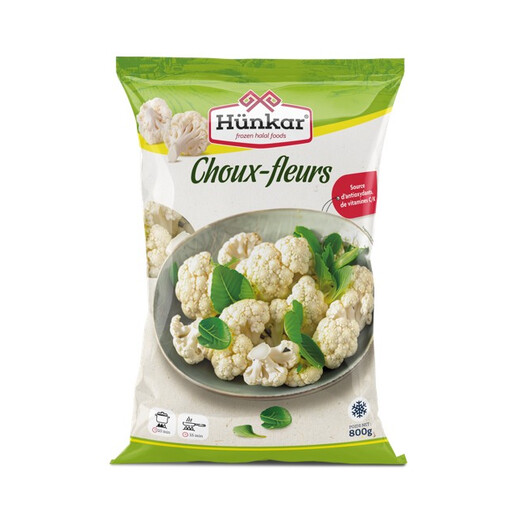 Image unavailable
Frozen cauliflower to serve as a side rather than a complete dish. Check the pack for how much to prepare and the cooking instructions for your meal.
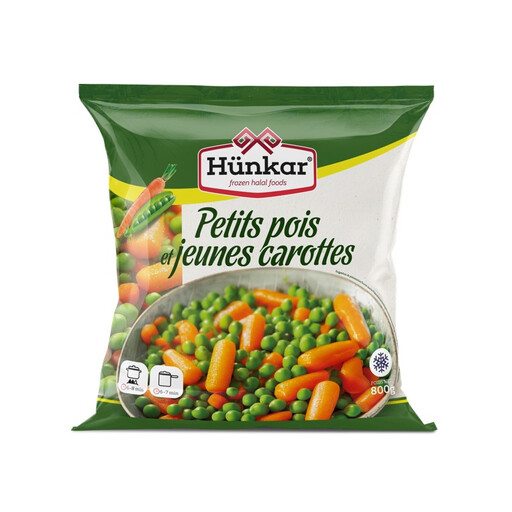 Image unavailable
A frozen mix of green peas and baby carrots to complement your main dish. Check the pack to plan portions and find information that may be useful for your guests.
For a solid food, this claim means a maximum of 3 g of fat per 100 g under Regulation (EC) No 1924/2006. Check the product’s nutritional information: the word ‘reduced fat’ alone doesn’t show that it meets this threshold.
No. The Nutri-Score doesn’t replace the fat figure per 100 g. To compare similar dishes, also check saturated fat, salt and ingredients. In 2025, CLCV found nutritional differences between dishes in the same categories.
Before choosing a product, check its ingredients list and allergen information. The nutritional values per 100 g are for a different purpose: they let you compare fat, saturated fat, sugars and salt, among other things.
Keep it cold during transport and follow the storage and preparation instructions on the pack. Anses advises eating thawed food promptly and not refreezing it.