To choose a lower-fat frozen dessert after a winter meal, first compare the fat content per 100 g for each recipe, then check the sugars and how much you plan to serve. Product information from E.Leclerc and Picard gives examples of sorbets with between 0 g and less than 0.5 g of fat per 100 g, but also 22 g of sugars per 100 g. The format, allergens and storage instructions also matter when making your final choice.
Who is this choice for?
Guests who prioritise fat content
If this is your main consideration, start with the value per 100 g rather than the word ‘sorbet’ or ‘ice cream’. Product information from E.Leclerc and Picard shows that some sorbets contain 0 g or less than 0.5 g of fat per 100 g, while still listing 22 g of sugars per 100 g.
People choosing dessert for the number of guests
After a winter meal, a tub to share and individual portions are served differently. Choose a format to suit the number of people and how much you want to put on the table, rather than making assumptions about its ingredients based on its size.
Shoppers mindful of allergens and storage
Recipes and ‘may contain’ warnings vary from one product to another. Check the packaging of the dessert you choose, then plan how you’ll transport and store it according to the instructions provided.
Which criteria should you compare?
Start by checking the ingredients of the specific recipe, then choose a format that’s suitable for serving. Before you buy, also check the allergen information and storage instructions.
| Criterion |
What to check |
Who is this for? |
| Fat |
Compare the fat and sugars per 100 g for each recipe, then take the serving size into account. |
If my main aim is to reduce fat, I want to know the values for the dessert I’ll actually serve, without assuming that a sorbet is low in sugars. Around 50% of consumers are said to put this check at the top of their list. |
| Texture and format |
Check the type of dessert, the pack weight and the number of portions listed. |
To round off a winter meal with others, I look for a texture I enjoy and a quantity that’s right for the table. Format is said to be the main consideration for around 30% of consumers. |
| Recipe and storage |
Read the ingredients and ‘may contain’ warnings, then check the availability and storage instructions for the product you’ve chosen. |
If a guest needs to avoid an allergen or the journey home from the shop is long, I need to be able to check the recipe and store the product properly. These precautions are said to come first for around 20% of consumers. |
Mistakes to avoid
-
Assuming a fruity sorbet is low in sugars
The E.Leclerc and Picard product information listed here shows 22 g of sugars per 100 g for their lime and lemon sorbets, despite fat levels of 0 g or less than 0.5 g per 100 g, depending on the product.
Check the ‘fat’, ‘sugars’ and ‘energy’ values per 100 g separately, then relate them to the amount you’ll serve.
-
Assuming the whole ice cream aisle offers lower-fat options
Carrefour, Auchan and Aldi offer different types of sorbets and ice creams. The aisle or pack format alone won’t tell you how much fat a recipe contains.
Compare the nutritional information for the specific products, rather than relying on their category alone.
-
Overlooking allergens because the flavour is fruity
A Picard lemon sorbet product page mentions possible traces of, among other things, cereals containing gluten, egg, soya, milk, nuts and peanuts. Warnings can vary from one recipe to another.
If you have an allergy or need to avoid an ingredient, check the ingredients and ‘may contain’ warnings on the packaging of the product you buy.
-
Refreezing a dessert that has thawed
The French Ministry of Agriculture explains that refreezing a thawed product encourages bacterial growth.
Pick up frozen food at the end of your shop, transport it appropriately and follow the packaging instructions. Don’t refreeze a product that has thawed.
Retailers to check when comparing recipes
Carrefour
The retailer offers sorbets, tubs of ice cream and individual formats, including products under the Carrefour Extra brand.
- The range of formats makes it easy to look for a dessert to share or serve individually.
- To choose based on fat content, check the nutritional values for each recipe rather than those of another product in the range.
E.Leclerc
ESKISS tubs and other Marque Repère products offer recipes to compare.
- E.Leclerc’s product information for ESKISS lime sorbet lists 0 g of fat and 22 g of sugars per 100 g.
- Check availability with your chosen E.Leclerc store or click-and-collect service: this product page doesn’t offer direct sales.
Auchan
The range includes Auchan sorbets and products from other brands.
- You can compare different tub recipes for a dessert to share.
- Check the nutritional declaration for the product you choose before judging its fat content.
Lidl
Lidl includes an ice cream category in its frozen food range.
- This category makes it easy to spot frozen desserts while you shop.
- Check the recipe, nutritional values and allergens on the packaging of the product you choose.
Aldi
Aldi’s MUCCI brand includes ice creams, sorbets and several frozen dessert formats.
- The formats on offer make it easy to look for a tub or individual portions to suit how you plan to serve dessert.
- A small format or fruity flavour won’t tell you how much fat a product contains: check the values for the specific product.
Picard
Picard’s sorbet product pages give details including ingredients, nutritional information and ‘may contain’ warnings.
- Two Picard lemon sorbet product pages list less than 0.5 g and 0.5 g of fat per 100 g respectively; both list 22 g of sugars per 100 g.
- Check the exact recipe and its availability before choosing.
Ice lolly-style frozen desserts on Joybuy
These ice lolly-style products make it easy to serve separate portions at the end of a meal. Their names specify the number of pieces and the pack weight; check the nutritional information and product-specific instructions before choosing.
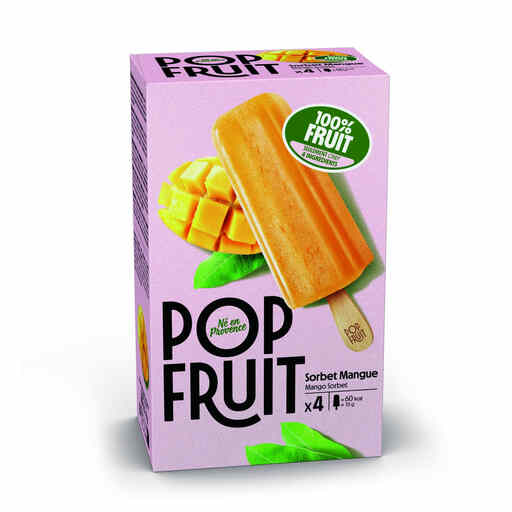 Image unavailable
POP FRUIT Sorbet Sticks 100% Mango, x4, 280 g
This pack of four sticks is a good choice if you’d like to serve the sorbet in individual portions. Compare the fat and sugars in this recipe per 100 g, and check the allergen information on the packaging.
View on Joybuy
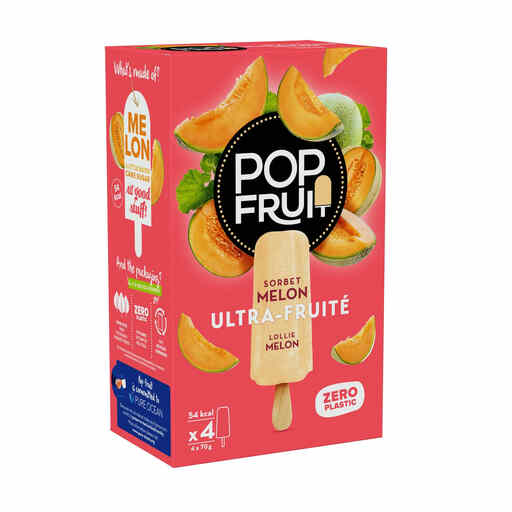 Image unavailable
POP FRUIT Melon Flavour Sorbet Sticks, x4, 280 g
This pack of four melon-flavour sticks makes it easy to serve individual portions. Read the nutritional values and ‘may contain’ warnings for this product, and check the storage instructions on the packaging before putting it away.
View on Joybuy
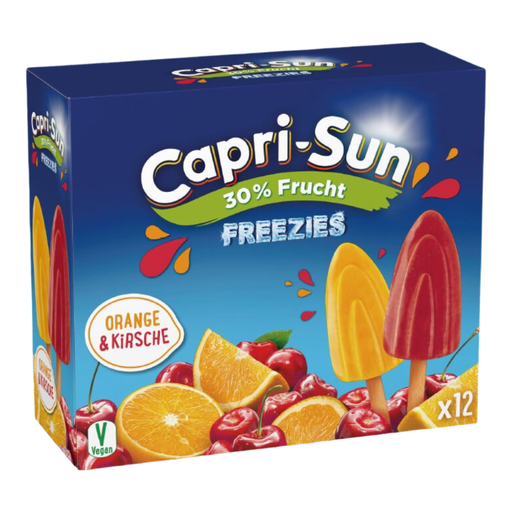 Image unavailable
CAPRI-SUN Orange & Cherry Ice Pops, x12, 444 g
This pack of twelve ice pops may suit you if you need several individual portions. To compare its ingredients with those of a sorbet, check the units used for the nutritional values: a value per 100 ml isn’t directly comparable with one per 100 g.
View on Joybuy
Frequently asked questions
Does sorbet always contain little fat and few sugars?
No: it depends on the recipe. According to E.Leclerc, ESKISS lime sorbet contains 0 g of fat and 22 g of sugars per 100 g; according to Picard, Pure Sélection lemon sorbet contains less than 0.5 g of fat and 22 g of sugars per 100 g. Compare both values on the product you’re considering.
How should you store a frozen dessert after shopping?
Transport it appropriately and put it in the freezer as soon as possible, following the instructions on the packaging. The French Ministry of Agriculture explains that refreezing a thawed product encourages bacterial growth, so don’t refreeze it.
Is a fruity sorbet automatically suitable for someone with an allergy?
No: the flavour doesn’t mean that a product is free from allergens or traces. A Picard lemon sorbet product page mentions possible traces of milk and nuts, among other things. Check the ingredients and packaging information for the exact product you’re buying.


