To choose a lower-fat frozen dessert, compare the fat content per 100 g of products in the same category, rather than relying on the flavour or format. Check the sugars, the portion you plan to eat and the space available in your freezer too: a small dessert isn’t necessarily lower in fat.
Who are these choices for?
A student keeping an eye on fat
You want to compare the ingredients and nutritional content of desserts in the same category, without assuming that a particular flavour or format is lower in fat. The DGCCRF says that nutrition information per 100 g makes this comparison easier; check the sugars and energy value too.
A student living alone with a small freezer
You’re looking for portions that fit in the space you have and suit how much you’ll eat. Picard, Auchan and ALDI offer ranges that include individual portions; check the packaging of the product you choose.
A housemate planning a dessert to share
You want to have enough portions for everyone without taking up too much freezer space. Picard and Auchan also offer desserts to share, so check the number of portions and how much room you’ll need before buying.
What should you check first?
When moving into student accommodation, start with your main priority: comparing the nutritional content, finding space for the dessert or planning portions for several people. Then check the other details on the product you’ve chosen.
| What to consider |
What to check |
Who it matters to |
| Fat content |
Compare the fat content per 100 g of desserts in the same category; check the sugars and energy value too. |
If I’m mainly looking for a lower-fat dessert, I want to compare the labels rather than rely on the flavour. Around 50% of consumers might make this their top priority. |
| Format and storage |
Check the number of pieces or portions and the pack dimensions against the space available. |
With limited freezer space and a dessert for one, I’d prefer a format I can store and portion easily; around 30% of consumers might prioritise this. |
| Sharing and transport |
Check the number of portions and plan the journey to the freezer without breaking the cold chain. |
If I’m buying a dessert to share with housemates, I want enough portions and to be able to get it back into the freezer quickly. Around 20% of consumers might put this first. |
What pitfalls should you avoid?
-
Assuming a fruit-flavoured or individual dessert is lower in fat
The name, flavour and portion size don’t tell you the fat content. And a difference in fat alone doesn’t tell you everything about a product’s nutritional values.
Follow the comparison method recommended by the DGCCRF: check the values per 100 g for products in the same category, then look at the sugars, energy value and portion you plan to eat.
-
Buying frozen food before getting your freezer ready
When you’re moving in, a long journey or a freezer that isn’t ready yet can make it harder to maintain the cold chain.
Make sure your freezer is working and has enough space. Anses advises buying frozen food at the end of your shopping trip and using an insulated bag to transport it.
-
Forgetting to check the ingredients and allergens
A dessert chosen for its fat content may contain ingredients you need to avoid if you have an allergy or intolerance.
Read the label for the exact product you’re considering. Anses points out that substances or products that cause allergies or intolerances must be highlighted in the ingredients list.
Brands to know and their ranges
These brands offer different types of frozen desserts and ice cream. Their inclusion here doesn’t mean that all their products are lower in fat: check the label on each product to compare them.
Picard
Picard’s frozen dessert range includes individual portions and desserts to share, as well as mochi and frozen fruit.
- The range of formats gives you options for finding a portion that suits the space you have.
- The type of dessert alone doesn’t tell you its fat content, so check the product information for the one you choose.
Auchan
Auchan’s frozen pastries and specialities category includes mochi, frozen desserts and cakes.
- The category includes both individual portions and desserts with several portions.
- Compare the nutritional values of products in the same category before deciding that one dessert is lower in fat.
ALDI
ALDI France offers ice cream and frozen desserts, including MUCCI products in tubs, sticks, cups and mochi formats.
- The variety of packaging lets you explore different ways to portion a dessert.
- The format alone doesn’t tell you about a product’s nutritional content.
Lidl
Lidl France has an ‘Ice cream’ section in its frozen food category.
- This section makes it easy to look for a product in your preferred format.
- Check the packaging of each dessert to compare its fat content and ingredients.
Sorbet sticks available on Joybuy
These three sorbet sticks are individual portions that could suit a move into student accommodation. To find out which is lower in fat, compare their labels with those of sorbets in the same category; you can’t tell from the format alone.
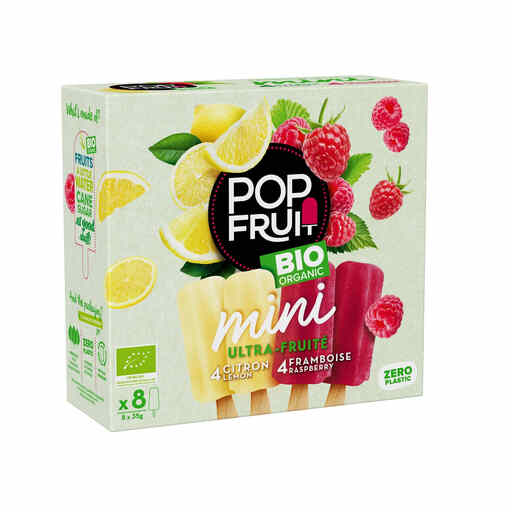 Image unavailable
POP FRUIT Mini Lemon & Raspberry sorbet sticks
The stick format may suit individual portions. The product name lists lemon and raspberry flavours; check the number of sticks and the total net weight on the packaging before deciding how much freezer space you’ll need.
To compare fat content, check the nutritional values for each flavour and compare them with those of a similar sorbet.
View on Joybuy
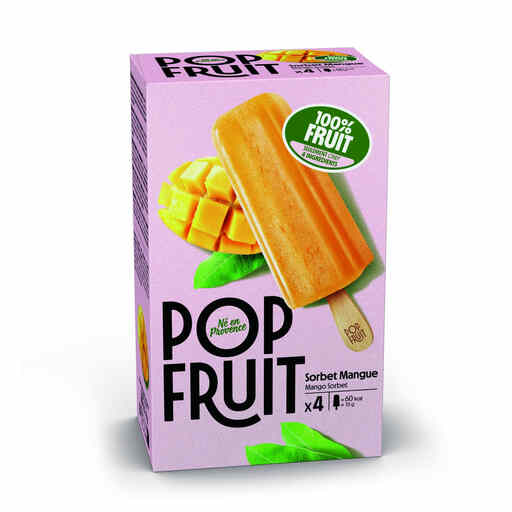 Image unavailable
POP FRUIT Sorbet Sticks 100% Mango, x4, 280 g
The four sticks listed in the product name make it easy to plan separate portions, rather than a dessert you need to cut up. The pack is marked 280 g.
If fat content is your main concern, compare the label on this mango sorbet with that of a product in the same category; check the sugars and ingredients too.
View on Joybuy
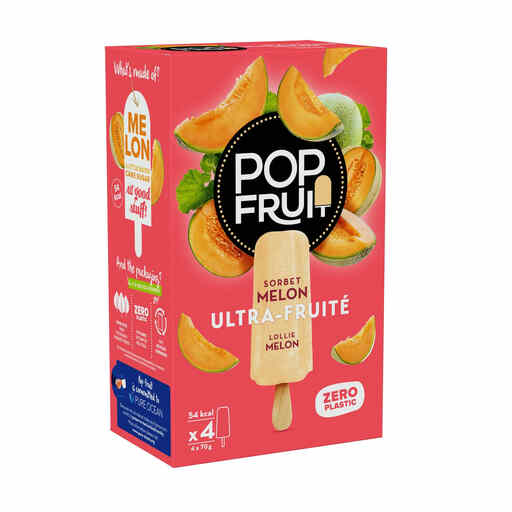 Image unavailable
POP FRUIT Melon Flavour Sorbet Sticks, x4, 280 g
The name indicates four melon-flavoured sorbet sticks in a 280 g pack. When moving into student accommodation, check the storage instructions on the packaging before deciding where to keep it.
Compare the fat content with that of a similar sorbet; check the ingredients list too if it’s important to you.
View on Joybuy
Frequently asked questions
How do you compare the fat content of two frozen desserts?
Compare the ‘fat’ value per 100 g on the labels of desserts in the same category. As the DGCCRF explains, this makes it easier to compare them. Then check the sugars, energy value and the portion you plan to eat.
Is a mochi, sorbet or individual portion always lower in fat?
No. The category and format alone don’t tell you the fat content. Check the nutritional values for the exact product before comparing it with another in the same category.
What should you check on the packaging if you have an allergy or intolerance?
Read the ingredients list for the product you’re thinking of buying. Anses says that substances or products that cause allergies or intolerances must be highlighted in the list; don’t assume they’re absent based on the flavour or fat content.
How should you transport a frozen dessert to your new home?
Buy it at the end of your shopping trip and plan to keep it cold on the way to a freezer that’s ready for it. Anses recommends using an insulated bag for frozen and chilled products.


