What to look for
When planning several servings, start by comparing the figures per 100 g, then consider how much you intend to serve and the storage instructions for each dessert.
| Criteria | What to check | Who it matters to |
|---|
| Fat |
Compare the fat and saturated fat per 100 g, then for the amount you’ll serve. |
If my main aim is to reduce fat, I want to judge the exact recipe rather than rely on the dessert’s name alone. Around 31% of consumers would make this their top priority. |
| Sugars and energy |
Check the sugar and energy figures per 100 g and per portion; distinguish a ‘no added sugar’ claim from the sugar content. |
A dessert chosen for its fat content may still contain sugar, so I want to compare both figures before adding it to the menu. Around 31% of consumers would make this a priority. |
| Portions |
Check the net weight and stated number of servings, then estimate how much you’ll actually serve. |
When I’m planning desserts for several meals or people, I need to know how many servings the pack provides. Around 23% of consumers would put this planning first. |
| Storage and ingredients |
Check the storage instructions, as well as the ingredients, allergens and any traces listed on the pack. |
To stock up with options suitable for the people concerned, I check both the storage conditions and the exact ingredients. This would be the top priority for around 15% of consumers. |
Sorbets on Joybuy to compare for several meals
These sorbets come in formats worth considering according to the number of servings you have planned. For each one, compare the fat and sugar content with the portion you intend to serve.
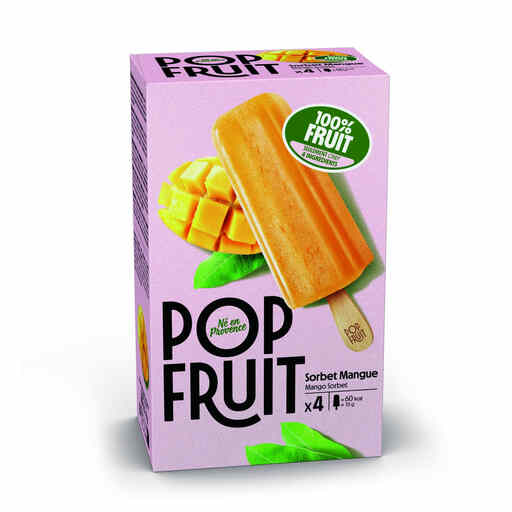 Image unavailable
POP FRUIT 100% Mango Sorbet Sticks, pack of 4, 280 g
This pack of four sticks can be split across several servings without having to cut up a dessert made for sharing.
Before adding them to your meals, also check the sugar content and allergen information on the pack.
View on Joybuy
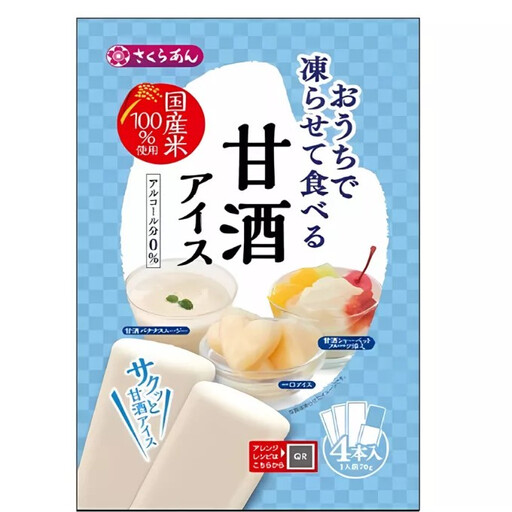 Image unavailable
TANIO Frozen amazake sorbet, 280 g
This sorbet is worth considering if you’re planning several desserts around a 280 g pack.
To plan each serving, check how much you’ll serve and compare the sugar and fat content per 100 g.
View on Joybuy
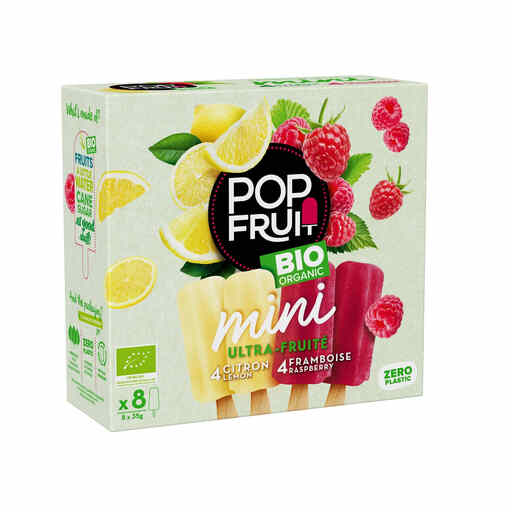 Image unavailable
POP FRUIT Mini Lemon & Raspberry Sorbet Sticks, Organic
These lemon and raspberry sticks may suit a meal plan based around individual desserts.
Check the number of units and net weight on the pack before dividing up the portions, and compare the nutrition information for the flavour you choose.
View on Joybuy
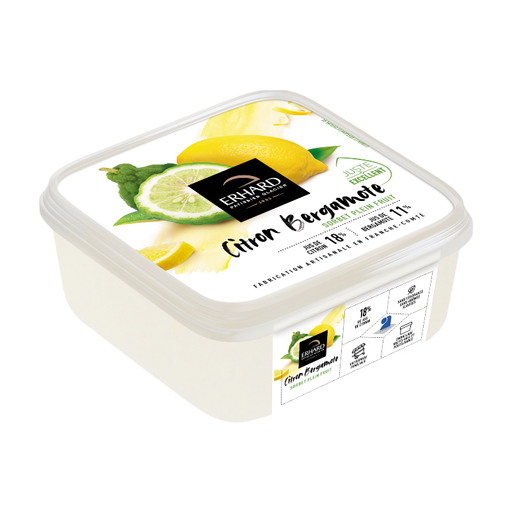 Image unavailable
ERHARD Lemon Bergamot Sorbet, 488 g
This 488 g sorbet can be split across several servings if you decide how much to serve each time.
Before choosing it, check your planned portion and the sugar content as well as the fat content.
View on Joybuy
Frequently asked questions
Is a ‘light’ claim enough to help you choose a lower-fat frozen dessert?
No: check exactly what the claim refers to and compare the fat content of the product you’re considering per 100 g and per portion. Also check saturated fat, sugar and energy, so you don’t assume a claim about one aspect applies to the whole recipe.
Does ‘no added sugar’ mean ‘sugar-free’?
No. Anses explains that ingredients may naturally contain sugar even when none has been added. Check the ‘of which sugars’ line and the ingredients list for the dessert in question.
How should you store frozen desserts for several meals?
Follow the temperature, storage period and defrosting instructions on each pack. The Picard sorbets mentioned specify storage at −18 °C and say not to refreeze after defrosting; for the journey home from the shop, DGCCRF recommends using an insulated bag.
Is sorbet automatically suitable for anyone with a milk or tree nut allergy?
No: check the allergens and any possible traces listed for the specific product before serving it to the person concerned. Picard’s lemon sorbet, for example, mentions possible traces of milk, tree nuts and peanuts.
Is the stated number of servings enough to compare two desserts?
No: it helps you plan servings, but the amount actually served may vary. Check the product weight, plan your portions and compare them with the nutrition information per 100 g.


